All Articles & Reports
78 results
-
Climate Justice and Governance: Who Should Pay for Environmental Damage?
After the extreme rainfall, homes, roads, and farmland with small communities get destroyed and left underwater. Families are struggling to recover, yet many of them have contributed very little to the pollution itself. Greenhouse gas emission is causing climate change to happen quicker. Around the world, similar situations are...
-
Investing in Health: The Boom of Pharmaceutical Stocks
Pharmaceutical stocks have become one of the most attractive sectors in the stock market because they combine financial growth with improving human health. Pharmaceutical companies develop medicines, vaccines, and treatments that help millions of people around the world. As populations grow, age, and gain access to better medical technology, the demand for healthcare products continues to rise, creating steady opportunities for investors...
-
Hidden Agendas: Why is Public Trust in NGOs and Governments Declining?
Have you ever wondered why people started to question the motives of different types of organizations that claim to serve the public? Public trust is the confidence that citizens have in institutions to act honestly, transparently, and in the best interests of society. This is essential for both governments and NGOs because it allows them to gain public support, leading to making better policies and carrying out programs more effectively. However, recently, many people have become more skeptical, suspecting that they may have hidden agendas and disclose important information.
-
Beyond the Music: The Rise of Coachella as a Cultural Empire
Coachella started in 1999 as a music festival in the California desert, built around alternative and indie artists who were largely outside the mainstream. The idea was simple: bring people together for the music. For its first few years, it stayed true to that identity. But over time, the festival shifted. It grew in scale, attracted bigger headliners, and started drawing a very different crowd. Today, Coachella is not just a music event. It is a global cultural phenomenon that pulls in millions of viewers, brands, and influencers every April...
-
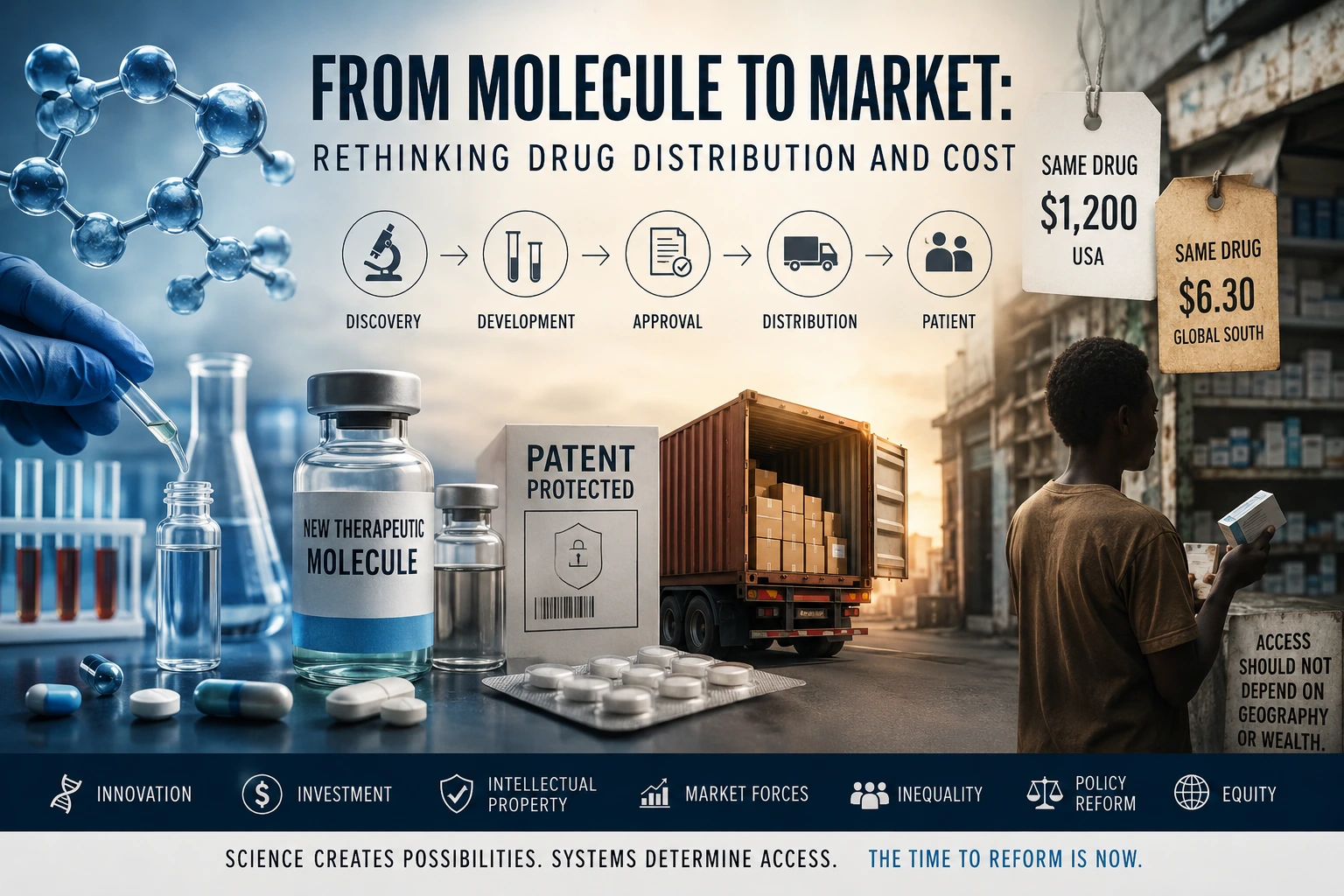
From Molecule to Market: Rethinking Drug Distribution and Cost
Drug prices have been increasing around the world, making it harder for many people to afford the medicines they need. One reason for this is that creating new drugs is very expensive. Pharmaceutical companies spend a lot of money on research, testing, and getting approval from governments. Because of these high costs, companies often set high prices to recover their investment and make a profit...
-
Who Watches the Watchers? Institutional Opacity in Development and Governance
The famous Roman poet Juvenal asked, “Quis custodies ipsos custodes?”, also known as “Who watches the watchers?” This phrase asks who holds the people in power accountable when they are responsible for everything they do. In modern societies, this can relate to transparency, accountability, institutional opacity, and governance. Many organizations can share information so that the public can see how things are done. However, sometimes they provide false information misleading people...
-
Report
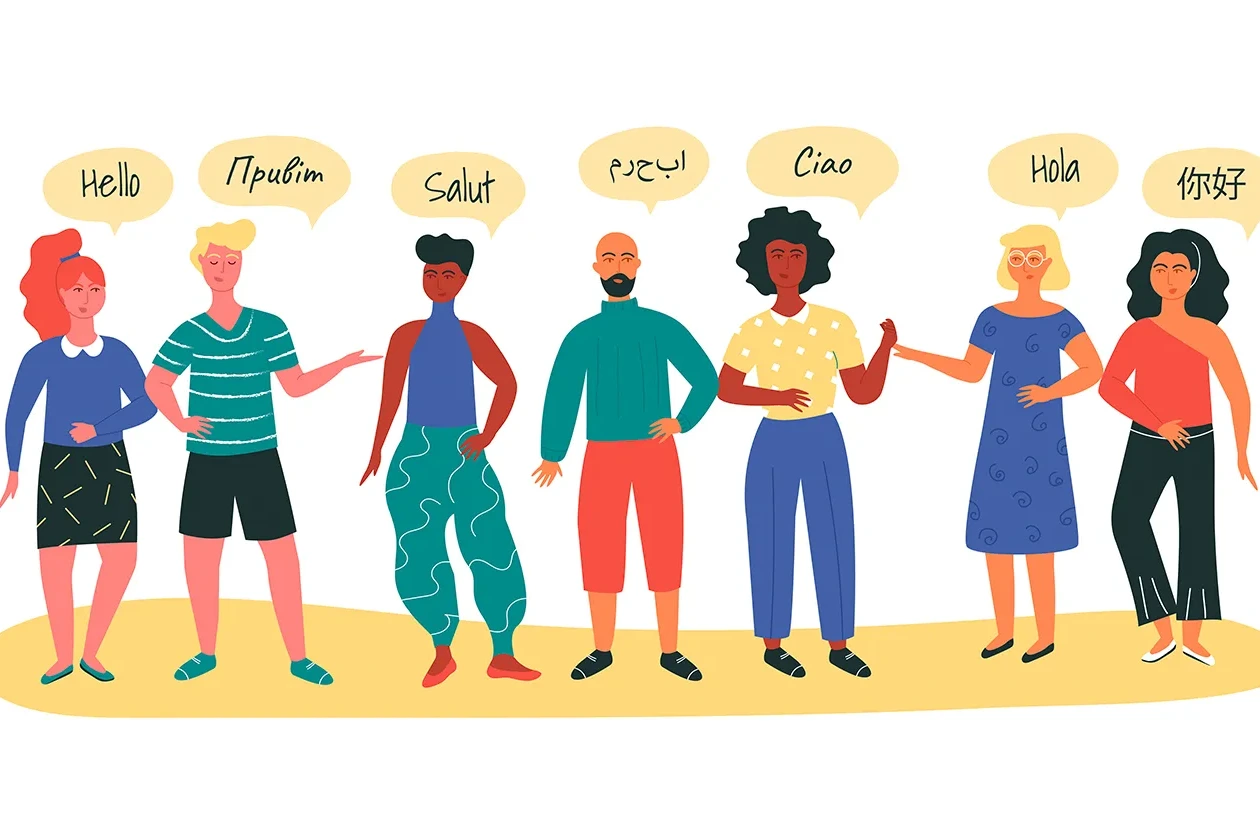
Accent Bias: The Silent Barrier to Equality
Accent bias is one of the most overlooked yet powerful forms of discrimination in modern society. It occurs when individuals are judged not by the content of their speech, but by the way they sound. This bias often operates unconsciously, yet it has profound consequences for education, employment, healthcare, and self-worth. Research has shown that accents can influence how ideas are received, how people are judged in interviews, and even how credibility is assigned in everyday conversations...
-
Can Nature Be Our Engineer? How Wetlands and Forests Protect Cities Better Than Concrete
City governments that are considered "smart" and seek to anticipate problems, reduce resource use, and raise people's standard of living, without their intervention, primarily focus on data, sensors, and interconnected infrastructure. Most intelligent cities have achieved this by deploying various sensors that continuously monitor the urban environment. In this way, they can monitor water levels in drainage channels, rainfall, electricity use, and traffic flow. Different sources bring the data, and it is aggregated in one place, a digital platform, where not only can algorithms find the problem, but also the solution, and even execute it; for instance, by changing traffic lights or finding leaks in water pipes quickly...
-
Buying Property in South Korea as a Foreigner: What You Must Know
Korea's real estate system may be confusing for foreign visitors due to its reliance on completely different assumptions than those used in western housing markets. For example, payment of a substantial one-time deposit rather than monthly rental payments, extreme volatility of prices in the market, and a great deal of social pressure to purchase property all appear to be irrational at first. However, these characteristics have roots within Korea's culture and history...
-
Grievable Lives, the Toxicity of Longtermism, and the Short-Term Approach for Policymaking
In 2015, 21 young Americans sued the United States for continuous permitting, authorizing, and subsiding fossil fuel extraction and consumption, despite these activities' contributions to global warming (Harvard Law Review, 2021). The coalition argued that the state’s failure to combat climate change meaningfully compromised the constitutional guarantee of ‘life, liberty, and property’ in the present – and more importantly, for the future generations to come (Harvard Law Review, 2021). If we temporally evaluate their case, which was later thrown out by the Supreme Court, we’d realize that the youth coalition was rallying for the speculative constitutional violation of their descendants’ right to a ‘stable climate system’ in the present...
-
Technology and Customer Service: Chatbots vs. Humans
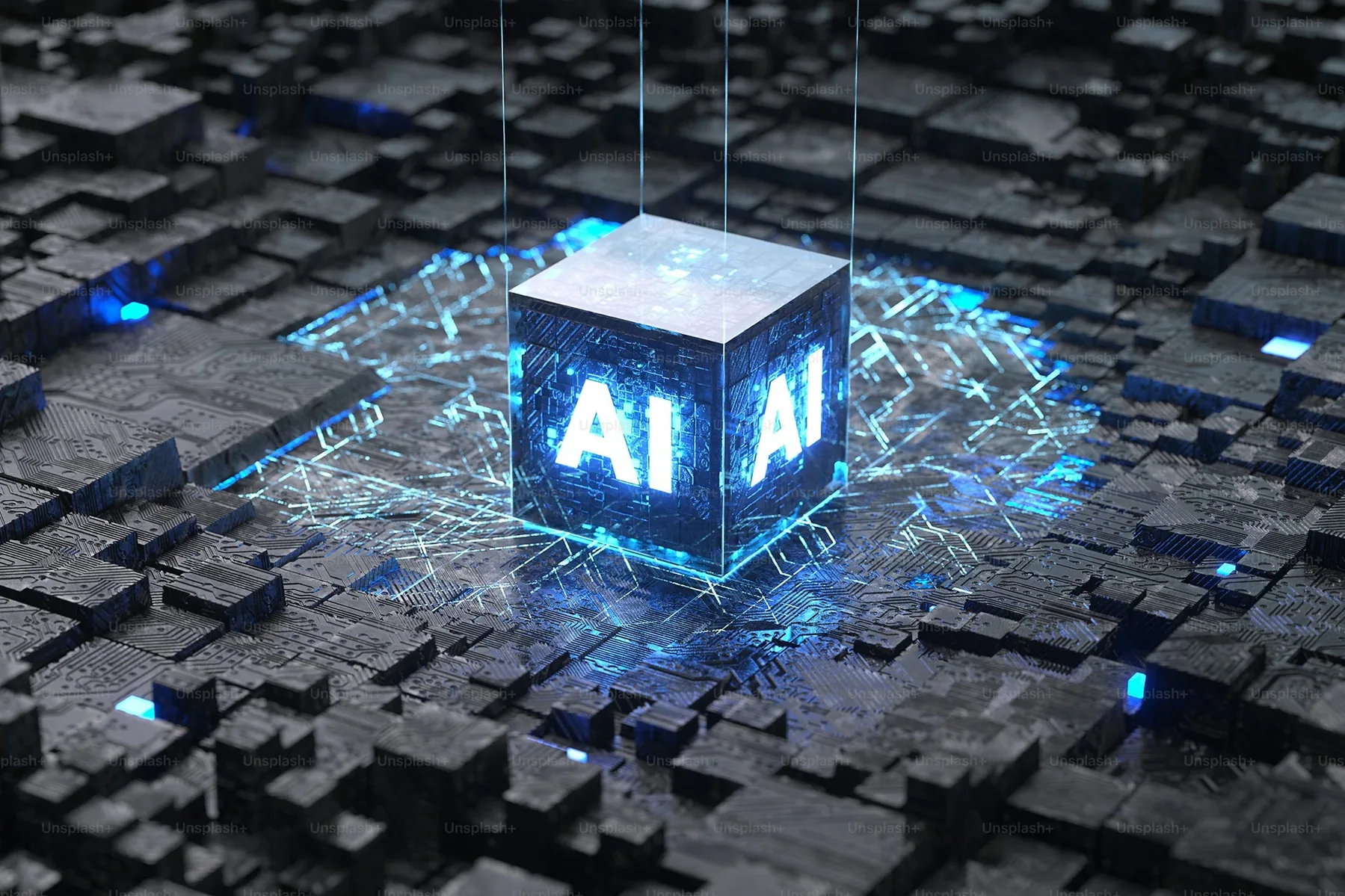
Artificial Intelligence (AI) has become one of the most transformative technologies of the 20th and 21st centuries. Its applications span across industries, from healthcare and finance to education and retail. Among these, customer service has been one of the most visibly impacted areas. The rise of chatbots and virtual assistants has sparked debates about whether AI will eventually replace human workers in customer service roles. While some argue that AI systems are faster, more efficient, and available 24/7, others emphasize that they lack emotional intelligence and the ability to empathize with customers. This tension raises an important question: where should we still value the human touch in customer service?
-
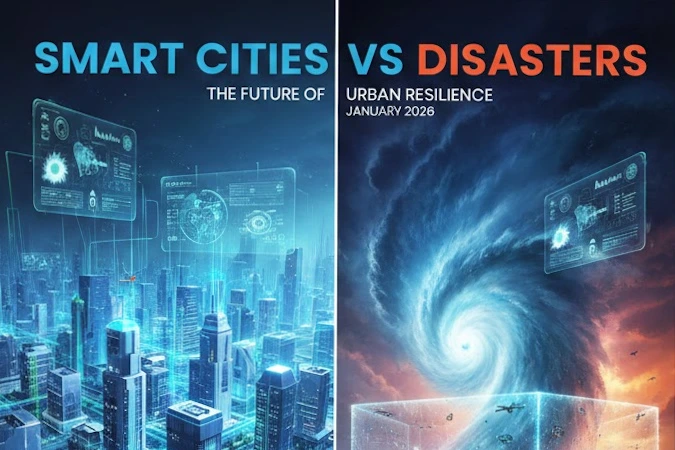
Smart Cities vs. Smart Disasters: Can Technology Outsmart Floods?
City governments that are considered "smart" and want to anticipate problems, reduce resource use, and raise people's standard of living without their intervention mainly focus on data, sensors, and interconnected infrastructure. Most intelligent cities have achieved this by deploying various sensors that continuously monitor the urban environment. In this way, they can monitor water levels in drainage channels, rainfall, electricity use, and traffic flow. Different sources bring the data, and it is aggregated in one place, a digital platform, where not only can algorithms find the problem, but also the solution, and even execute it; for instance, by changing traffic lights or finding leaks in water pipes quickly...
-
Why Every Tech Giant Wants a Piece of F1
The way we experience modern Formula One (F1) has changed dramatically since the days of "just" racing. Today's F1 cars are no longer simply machines built to speed down a track; they have become a platform for the next level of technology competition based upon data. According to McLaren Racing, each F1 car can generate between 1 and 2 terabytes of data during a typical race weekend through hundreds of sensors that measure a wide variety of information including tire temperature, aerodynamics load, fuel flow, engine efficiency, and the driver's input. Based upon that data, teams now use sophisticated simulation programs, artificial intelligence models, and real-time telemetry data to make tactical decisions almost instantly and adjust their race strategies within milliseconds...
-
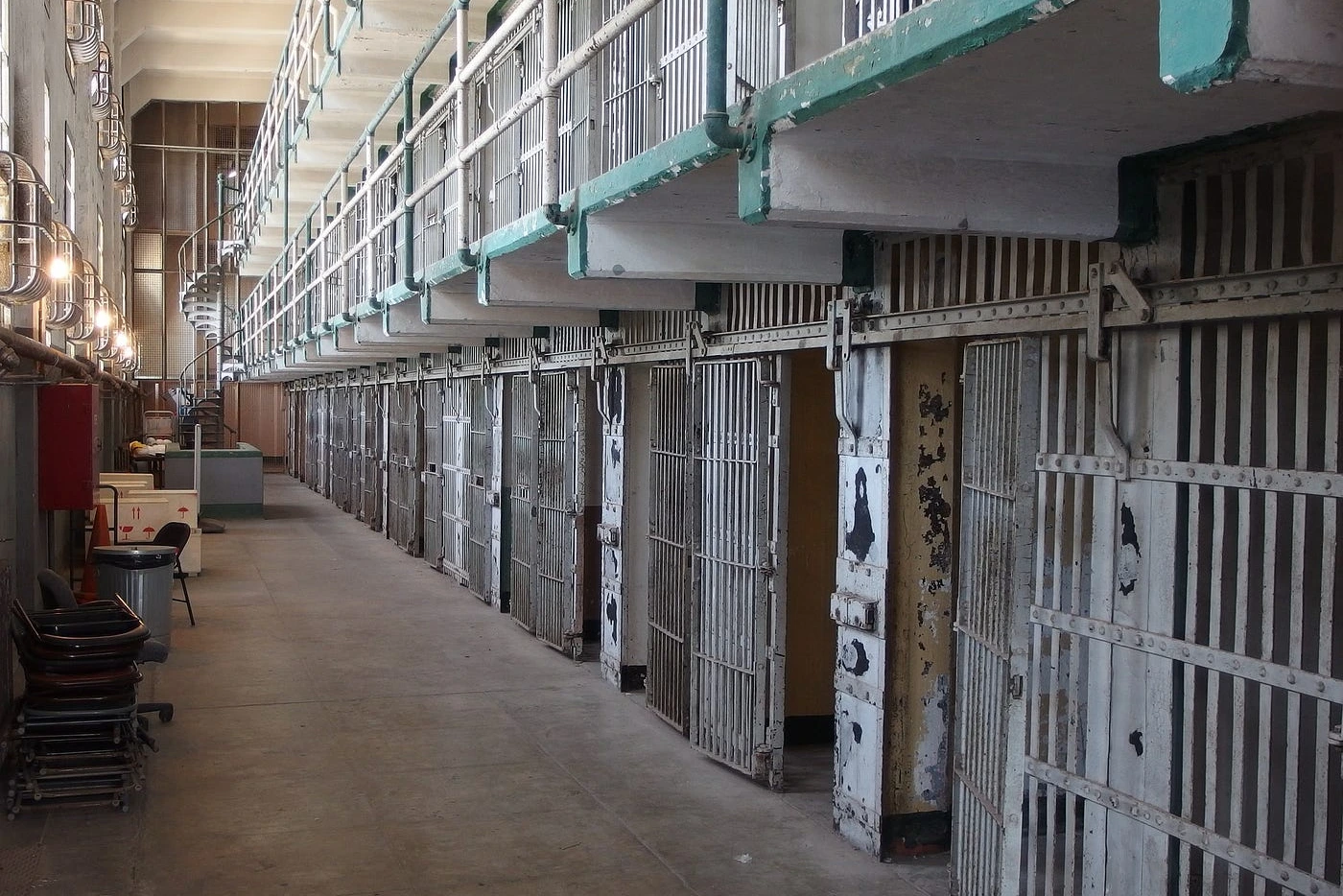
Punishment Over Public Health: A Failed Policy Built on Racial and Economic Inequality
In the fifty years since President Richard Nixon declared drug abuse “public enemy number one,” the United States has spent more than a trillion dollars fighting its socalled War on Drugs, yet drugs today are cheaper, purer, and more widely available than ever. At the same time, the human cost of this campaign has been staggering: the number of people incarcerated for drug offenses has soared from tens of thousands in 1980 to hundreds of thousands today, with Black Americans making up a vastly disproportionate share of those behind bars for drug crimes despite being only a fraction of the overall population...
-
Delayed Environmental Justice: Unequal Timelines of Safety
Environmental problems do not always appear suddenly. Many begin with small warnings that are overlooked, minimized, or set aside. When action is postponed, the harm does not pause. Instead, it continues to grow while communities wait for help. This slow pace of response often affects people who already face social and economic barriers. They are more likely to live near polluted facilities and have fewer resources to protect themselves. When solutions are delayed, these communities remain exposed for longer periods of time, deepening existing inequalities...
-
The Subtle Weight of Bias: How Workplace Prejudice Shapes Careers
Workplace prejudice can take many forms that may or may not be obvious. Nonetheless, it is still harmful to the employees and the company itself! This article will discuss some of the different types of workplace prejudice and talk about how it affects the people in the community...
-
Beyond the Rift: How T1 Built a Worldwide Esports Empire
Most people think of the Bulls Real Madrid or the Yankees when they hear sports legends. In esports one name stands above the rest. T1. Known worldwide for Faker and other superstar players. The team started small but quickly became a global phenomenon. Fans from all over the world follow every match. Sponsors like Nike Red Bull and Samsung flock to support the brand. Jerseys and merchandise sell out in hours. T1 has turned gaming into a business worth billions. It is changing the way people think about sports entertainment. The team proves that esports is not just a game but a serious industry shaping the future...
-
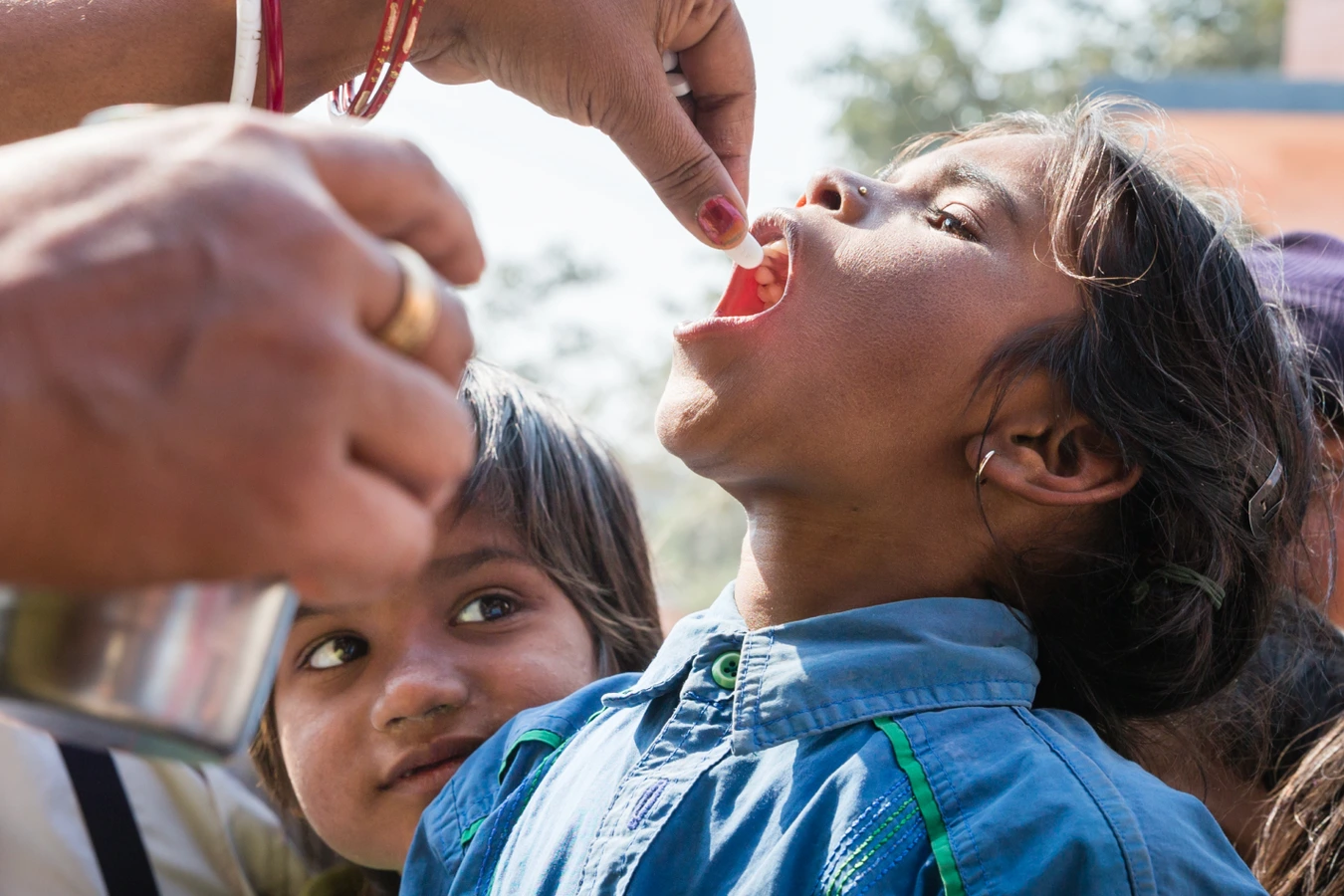
The Silent Epidemic: Why Neglected Tropical Diseases Matter
The global struggle against disease often overlooks the world’s most vulnerable—people living with neglected tropical diseases, or NTDs. NTDs are a diverse group of infectious illnesses caused by bacteria, viruses, parasites, and fungi, most commonly found in tropical and subtropical regions where poverty, limited health services, and poor sanitation allow them to thrive. More than 1 billion people worldwide—disproportionately among those with the fewest resources—suffer from these conditions, which can cause chronic pain, disability, disfigurement, and sometimes death, while also fueling stigma and trapping families in cycles of poverty and limited opportunity. Yet despite causing immense hardship and economic loss, NTDs have historically received little attention or funding; their victims are often “neglected” by both science and society...
-
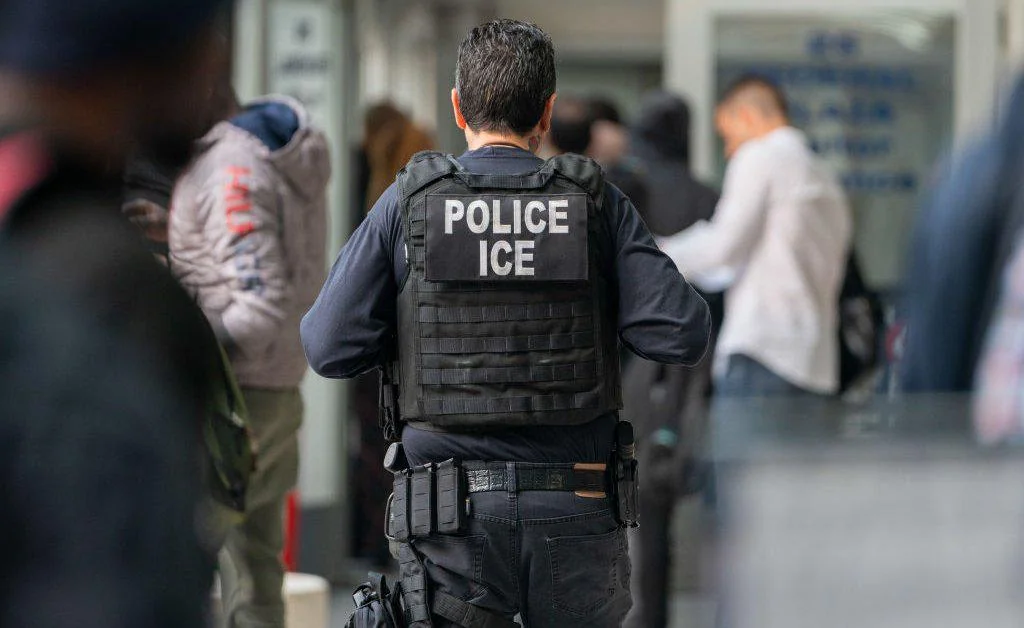
Security at an Economic Cost: How ICE Shapes Labor, Supply Chains, and Local Economies
Immigration and Customs Enforcement, also known as ICE, has become an integral part of Trump’s administration in his second term. ICE under Trump now carries out more responsibilities than it previously did. In 2024 ICE’s net budget was around $10 billion and 11% of the spending from the Department of Homeland Security. This demonstrates the economic principle of opportunity costs since the government does not have an infinite amount of resources. ICE is also in charge of cross border trades, and thus can have an effect on supply chains. The ability of ICE to influence the resources allocated by the government, supply of workers, and supply chains shows the effect that ICE can have on the economy...
-
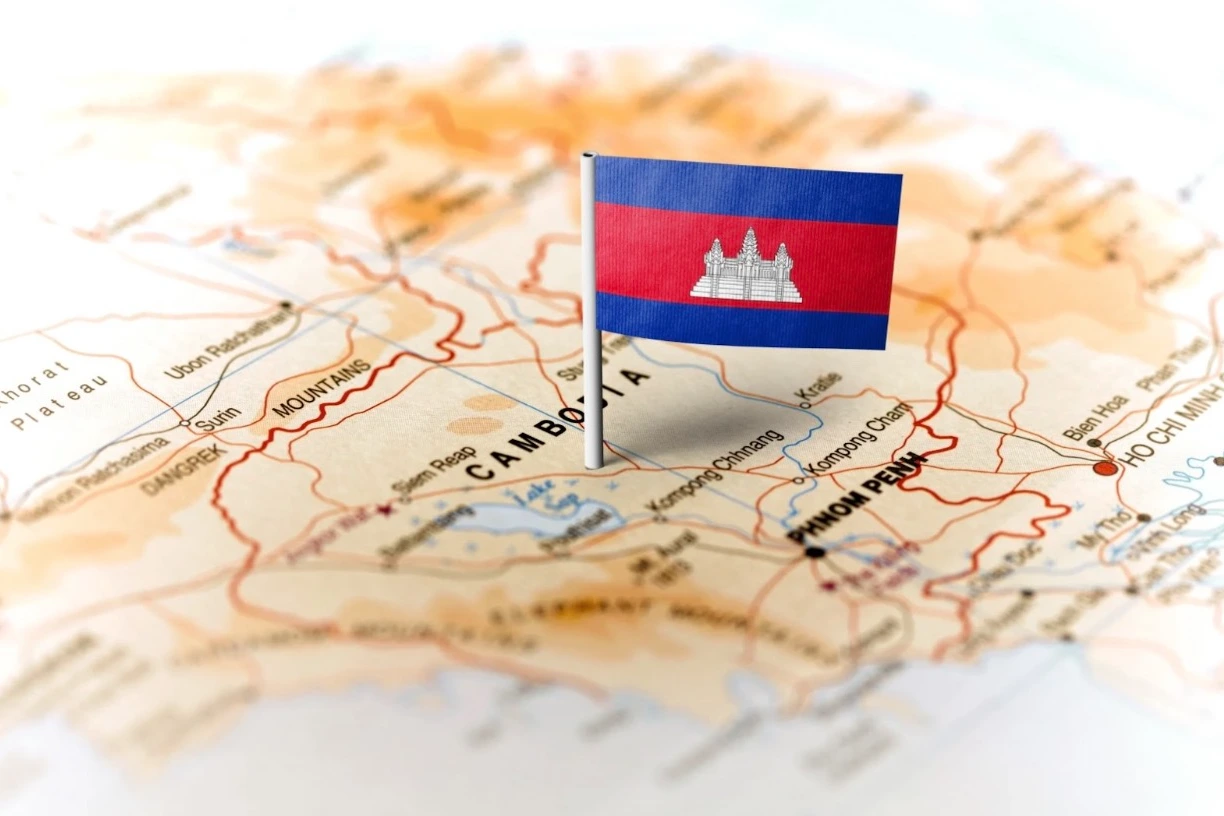
When Crime Becomes Place: The Politics of Blame in South Korean Transnational Crime Narratives on Cambodia
Since late 2025, as reference to The Diplomat, a series of crimes involving South Korean nationals in Cambodia has drawn sustained attention from South Korean media (Lee, 2025). Reports have described cases ranging from online scams to kidnapping and murder. In several widely covered incidents, young South Koreans traveling alone were lured through online contact, abducted, and targeted for ransom. Some were later found dead after payment attempts failed...
-
Navigating the New Era of U.S. College Admissions: Challenges and Strategies for International Students
The landscape of U.S. college admissions is changing rapidly. Recent policy adjustments and the growing emphasis on digital verification have reshaped how both domestic and international students are evaluated. Today’s admissions officers are no longer interested in just grades and test scores, they seek authenticity, leadership, and character. For international students, this evolving environment presents both opportunity and challenge. The path to an American university now requires not only strong academics but also digital awareness, cultural adaptability, and emotional resilience. As social media scrutiny intensifies and visa processes become more meticulous, preparation has never been more vital.
-
The Age of Echo Chambers: Social Media and the Rise of Misinformation
Social media has transformed how people connect, communicate, and consume information. In just over a decade, it has become the world’s largest public forum a space where news breaks before it reaches television, where opinions travel faster than facts, and where communities form and dissolve in an instant. Yet this digital revolution has also given rise to a quieter, more dangerous phenomenon: the echo chamber...
-
AI and Public Health: A Double-Edged Sword for Global Wellbeing
The rapid integration of artificial intelligence into healthcare systems promises unprecedented advances in how populations access, receive, and benefit from public health interventions. Sophisticated machine learning models are now diagnosing conditions with superhuman accuracy, predicting outbreaks sooner, and streamlining treatments in ways unimaginable just years ago. The AI healthcare market, valued at $27 billion in 2024, is projected to reach $675 billion by 2034, reflecting explosive growth that mirrors the technology's transformative potential. Yet as AI technologies become more central, these powerful tools also expose deep vulnerabilities and ethical dilemmas...
-
Where Are You Really From?”: What Kids Should Know About Asian American Identity and Prejudice
People are often judged differently by society based on their appearance. This can lead to misinterpretation, discrimination, and exposure to rude comments or insults. Sadly, such behavior has become so normalized that phrases like “Where are you really from?” or “You don’t look ___” are used without a second thought. These subtle remarks, known as microaggressions, are surprisingly common in everyday conversations. They often reflect prejudice against specific groups and stem from stereotypes about different races and ethnicities...
-
How Online Shopping Is Transforming Consumer Habits
Online and offline shopping differ greatly in arrangements, product availability, and purchasing processes. While traditional shopping relies on physical stores, fixed hours, and face-to-face interactions, online shopping operates in a boundless, 24/7 digital marketplace. Both have unique characteristics, yet the internet has drastically shifted how we shop today. This article explores how online shopping has reshaped purchasing behavior, consumer experiences, economic dynamics, and the challenges as well as the future of e-commerce...
-
The Aftermath of Covid-19; Is the World Ready for the Next Pandemic?
The global crisis caused by COVID-19 revealed the shortcomings and strengths of our interconnected world, sparking profound changes in how societies understand and approach health, inequality, education, and innovation. As nations grappled with the immediate effects straining healthcare systems, widening social and economic divides, disrupting learning, and racing to develop lifesaving vaccines the crisis forced a consideration of our collective readiness for future pandemics. While the world has seen significant advances as well as painful setbacks across these critical domains, the true measure of progress lies in whether the lessons learned since 2020 will lead to more equitable, resilient, and effective responses when the next global health threat emerges...
-
AI in the Media; Powerhouse or Pitfall?
Artificial intelligence (AI) is rapidly reshaping the way we create, share, and consume media. From personalized news feeds and automated video editing to AI‑generated scripts and synthetic voices, the media landscape has never been so dynamic or so complicated. While AI promises efficiency and innovation, it also brings with it significant shortcomings that media professionals and audiences alike must address...
-
Dreams on Hold: The Unaffordability of UK housing
Homeownership has become a distant dream for many in the UK. For many, homeownership has been a sign of maturity, independence, and a symbol of stability. However, in recent years it has become increasingly harder, in 1997 the average price of a house was less than four times the median earnings, now it is almost eight times the median earnings: despite the fluctuations in the house prices in the UK, they have remained significantly high, caused by supply-demand side issues, speculative investment, and economic pressures. In major cities, such as London, slight dips in housing prices does little to help the majority of the population...
-
Trump and Ramaphosa Clash Over South Africa’s ‘White Genocide’ Claims
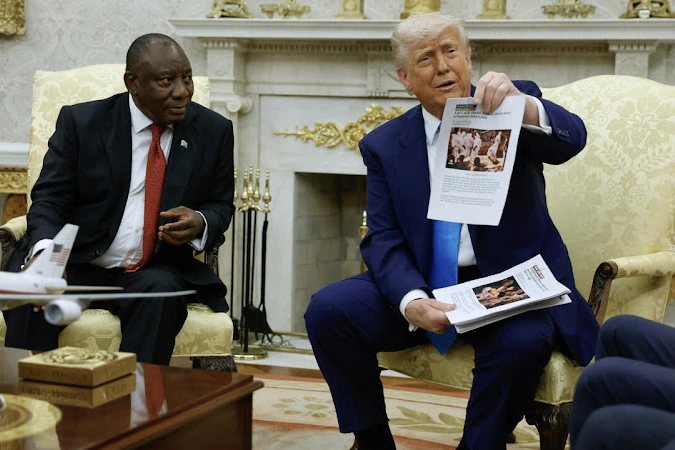
A tense confrontation unfolded in the Oval Office on May 21, 2025, when former U.S. President Donald Trump met with South African President Cyril Ramaphosa. What was supposed to be a routine bilateral meeting on trade quickly turned into a charged exchange over Trump’s explosive allegations that white South African farmers were victims of “genocide” and violent land seizures. Trump has long claimed that South Africa’s white minority, particularly Afrikaner farmers, are subject to brutal attacks and discriminatory policies – a narrative widely dismissed by experts as a baseless conspiracy theory. Ramaphosa, who came to Washington hoping to mend frayed ties, was instead forced to defend his country’s record and refute the false claims of “white genocide” during an extraordinary on-camera encounter...
-
Service, Culture, and Growth: My Transformative Guatemala Experience
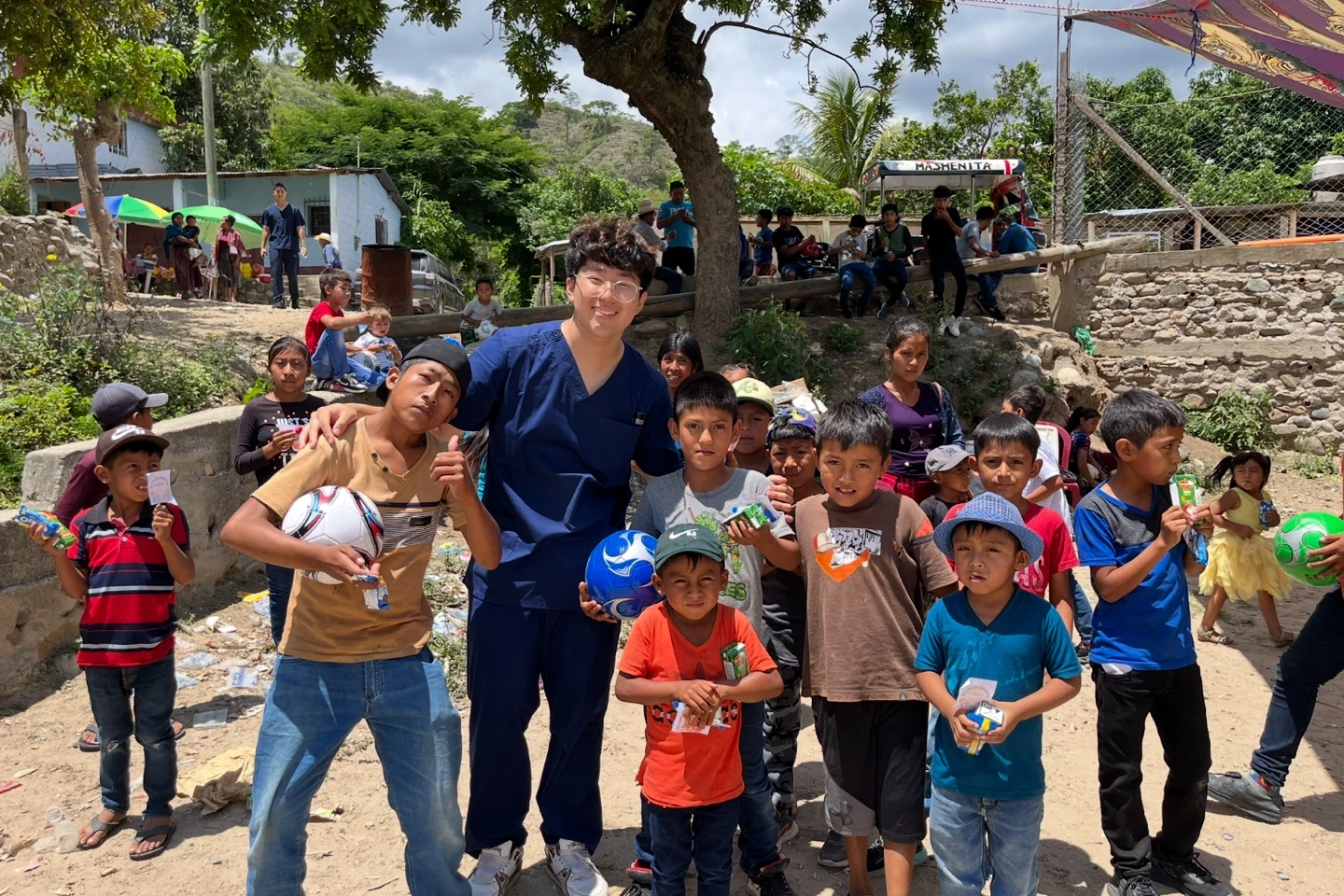
The strong scent of burning plastic filled the air as our van navigated potholed roads toward the so-called “trash village” in the outskirts of Guatemala City. Through the windows, I saw vultures circling above mountains of trash, while stray dogs nosed through bags leaking all sorts of wastes. Flies swarmed children playing barefoot as their laughter punctuated by coughs due to the toxic smoke from the trash piles. In that moment, watching many men sifting through the trash piles, the combination of environmental decay and human resilience left me simultaneously heartbroken and awestruck...
-
Trump’s Tariffs Explained: What Young Entrepreneurs Should Know About Global Trade
After the initial announcement Trump made regarding tariff policy, all the news broadcasters reported the issue worldwide. Thousands of news articles were published, with headline news dominated by Trump's trade wars. Trump made this decision to encourage U.S. consumers to buy more American-made goods, increase tax revenue, and lead to major levels of investment in the country. He specifically targeted China, Canada, and Mexico, also using tariffs to address issues such as migration and illegal drug use. Trump’s decisions about tariffs offer important lessons that young entrepreneurs should know about the global trading system...
-
The Origin of Intelligence: Myth, Curiosity, and the Human Capacity to Question
Throughout history, mythology has offered powerful narratives that reflect the internal struggles of human consciousness. Two such myths—Pandora from Greek mythology and Eve from the Judeo-Christian tradition—offer strikingly similar accounts of how curiosity, transgression, and the pursuit of knowledge intersect. In these stories, intelligence arises not from blind obedience to divine command but from the internal drive to question, to understand, and ultimately, to defy the boundaries of a defined "good." This essay explores how mythology reveals the origin of intelligence through the act of questioning, and how this capacity distinguishes humans from animals...
-
Warren Buffett Retires, But His Lessons Will Stick Around
After more than 50 years leading Berkshire Hathaway, Warren Buffett—one of the most famous and successful investors in the world—is officially retiring. At 94 years old, Buffett is stepping down, and while he’s leaving his job, he’s also leaving behind a legacy full of advice that people will remember for a long time...
-
Through Their Eyes: The Vision of Sightless Photographers
When we think of photography, we often imagine a person meticulously adjusting focus, framing a subject, and capturing the perfect shot—all through the lens of sight. But what happens when the photographer is blind? What does it mean to “see” the world without vision and yet still create images that tell powerful, emotional stories? Welcome to the extraordinary world of blind photographer artists who break barriers, challenge perceptions, and redefine what it means to create visual art...
-
The Real Estate Rush: What’s Fueling Korea’s Housing Obsession?
In South Korea, buying a home is more than just securing a place to live—it’s a race, a status symbol, and for many, a life goal. As apartment prices continue to skyrocket in major cities, especially in Seoul, South Korea’s obsession with real estate has become a defining feature of its economic landscape and social identity. But what is fueling this unrelenting housing craze? Why are so many young people feeling locked out of the dream of homeownership? And what does this trend mean for Korea’s future?
-
Is a Recession Coming in 2025?
The U.S. economy is entering a period of heightened uncertainty, with increasing signs pointing toward a potential recession. Key economic indicators, alongside rising geopolitical tensions and aggressive trade measures, are sparking concerns among economists, investors, and policymakers alike. The recent escalation in tariff policies and their ripple effects across global markets have added new pressure to an already fragile economic outlook.
-
Trump, the U.S. Reserve, and the Future of Crypto
As of April 2, 2025, Bitcoin's trajectory reflects a complex interplay of market dynamics and evolving U.S. governmental policies. Currently trading near $85,000, the cryptocurrency has experienced fluctuations influenced by global economic uncertainties, notably the impending U.S. tariffs. Analysts suggest that these tariffs contribute to Bitcoin's price stagnation, with potential movements anticipated based on forthcoming economic policies. ..
-
Trump’s Tariff Escalation: A New Trade War Unfolds
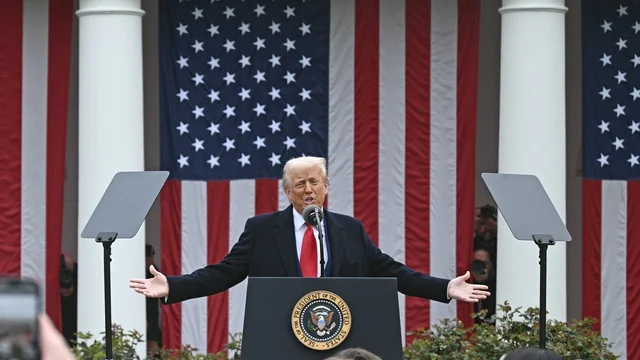
In a move that has sparked international tension and economic uncertainty, President Donald Trump has escalated tariffs against key U.S. trading partners, reigniting concerns of a global trade war. The administration's recent decisions have targeted Canada, Mexico, China, and the European Union, with significant implications for global markets, American businesses, and diplomatic relations...
-
Implications of IQ
The concept of IQ is popular these days. Yet, it seems to be used generally for a frivolous purpose rather than for an earnest discussion, often as a joke or a meme. IQ has been controversial throughout history – from being used for eugenist claims to the recent day’s IQ fundamentalism. Perhaps people don’t take IQ as a serious intellectual or cognitive measure for that reason. However, unlike the popular belief and perceptions on IQ, what modern psychology has revealed seems to signify that intelligence quotient might hold much more significance...
-
Reframing Addiction: Why Patients Deserve Treatment, Not Prison
Addiction is a mental and behavioral disorder that causes compulsive substance use despite negative consequences. The medical community recognizes it as a substance use disorder (SUD), not a vice or lack of willpower but a public health issue that requires medical intervention and social support. But stigma still frames addiction as a criminal or moral issue and perpetuates harmful stereotypes and punitive policies like incarceration over treatment...
-
The Reconstruction Cycle: Economic and Environmental Impacts of the Korean Apartment Problem
In South Korea, high-rise apartments have become symbols of modernity, wealth, and social status, but the country’s ongoing cycle of demolishing and rebuilding aging yet structurally sound complexes is causing serious issues. This reconstruction boom has led to skyrocketing housing costs, exacerbating social inequality and widening the economic divide, particularly in urban centers like Seoul and Busan...
-
Beyond Borders: The DRC–Rwanda Conflict
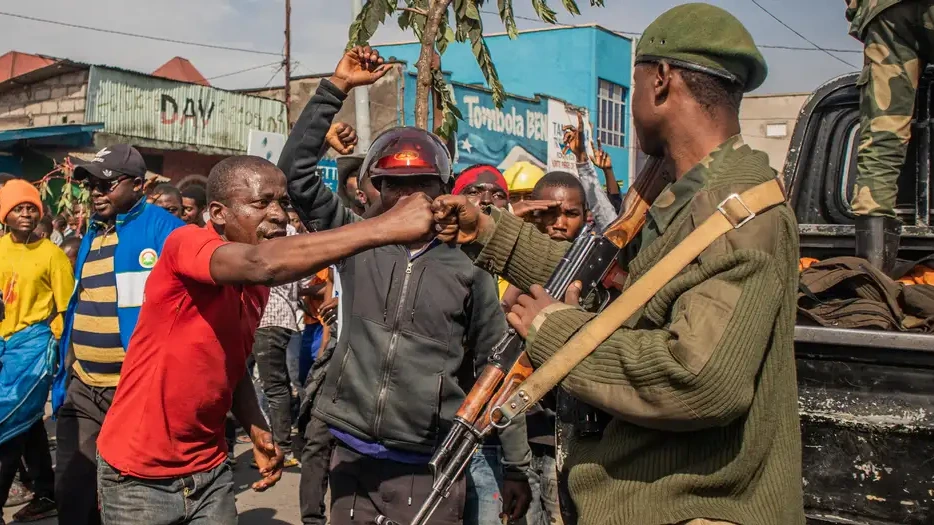
The ongoing conflict between the Democratic Republic of the Congo (DRC) and Rwanda, which reignited in 2022, has reached its most dangerous stage in 2025. At the heart of this escalating crisis is the rebel group March 23 Movement (M23), which the Congolese government and international observers widely report as being backed by Rwanda. The most significant event of 2025 so far has been the seizure of Goma, a major eastern Congolese city, by M23 fighters in January. This event, along with the subsequent capture of Bukavu in February, has transformed the conflict into one of the most severe security and humanitarian emergencies in Africa...
-
How Rwanda’s Youth Are Shaping the Future Through Entrepreneurship
Rwanda has achieved remarkable economic transformation over the past two decades, evolving from the devastation of the 1994 genocide to a fast-growing economy that aspires to become a middle-income nation by 2035. This transformation is underpinned by strategic policies emphasizing innovation, good governance, and inclusivity. Central to this progress is the role of the country’s youth, who represent over 60% of the population. Through tailored policies such as the National Employment Program and Vision 2050, Rwanda has actively engaged its youth in driving economic growth, fostering entrepreneurship, and addressing unemployment challenges...
-
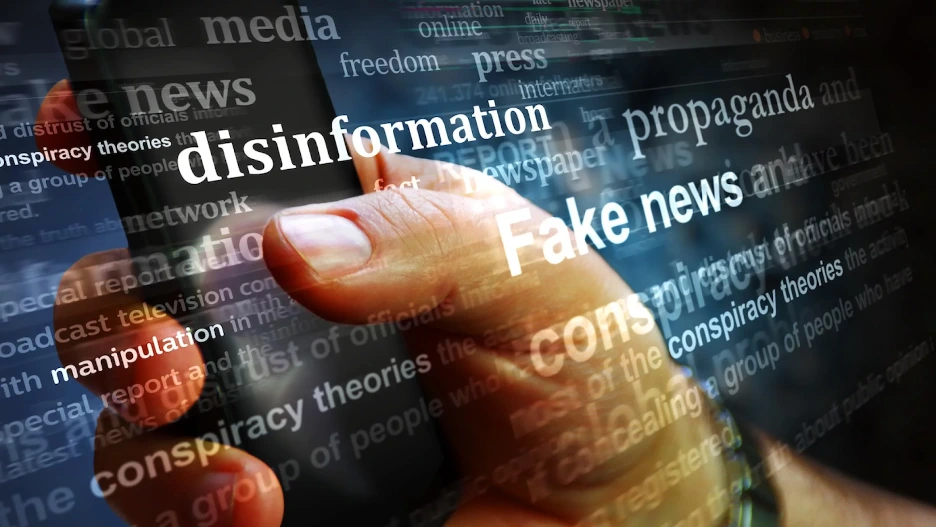
Manufactured Truths: How Fake News and Misinformation Shape Public Perception
In modern days, information travels at the speed of light, regardless of the distance. As information travels all around the world, the boundaries between truth and fabrication have become blurred. The internet, once a space for free and open knowledge and communication, has become a space where fake news and misinformation thrive, threatening democratic systems, social trust, and personal safety. Confronting these digital chaos, it is crucial to acknowledge the impact of misinformation on society, and find a way to protect ourselves...
-
Dreams Deferred: The Limitations of Korea's Education System
The Korean education system is globally recognized for its rigor and high academic standards. However, beneath the surface of top-ranking test scores and elite university admissions lies a deeper issue: a rigid, test-centered approach that often stifles creativity, critical thinking, and genuine intellectual curiosity. In contrast, the Jewish tradition of Havruta, a method of learning through dialogue and debate, offers a compelling alternative—one that could inspire meaningful reform in Korea’s deeply entrenched educational culture...
-
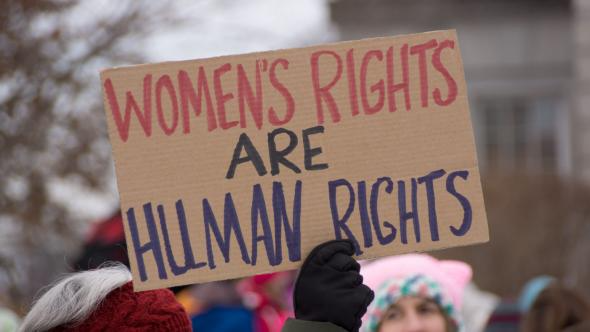
The Role of Society in Advancing Women’s Rights and Opportunities
Throughout history, the struggle for women’s rights has demonstrated the strength, fortitude, and determination of women across the world. However, societal progress in advancing these rights has relied heavily on collective action, from education to policy, media, and community...
-
Breaking Barriers: Supporting People with Disabilities in South Korea
Imagine a world where a visually impaired artist transforms everyday struggles into breathtaking masterpieces, or a young student with cerebral palsy not only excels in academics but inspires a community by completing a marathon. These examples are not far-fetched; they are happening every day. People with disabilities bring extraordinary resilience, creativity, and determination to our communities, reshaping perceptions and enriching society as a whole...
-
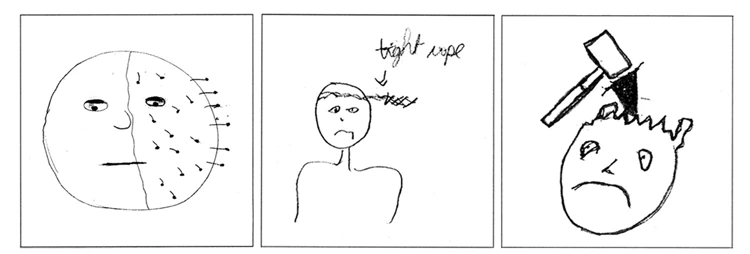
Headache Hacks: How Teens Can Tackle Migraines and Thrive
Severe head pain, brain fog, dizziness, blurred vision, nausea, vomiting, and heightened sensitivity to light, sound, and smell—these are the all-too-familiar symptoms faced by migraine sufferers. As Professor Joo, president of The Korean Headache Society, aptly put it, “Migraine isn’t fatal, but the pain is so intense it feels like it could be.” While not as life-threatening as diseases like leukemia or cancer, migraines are a chronic, disabling condition that significantly impacts daily life, education, careers, and social interactions...
-
The Crisis in Korean Education: A Call for Reform
In the realm of education, contemporary South Korean society finds itself in a state of profound crisis. While Korean students are renowned for their diligence and academic prowess, a closer examination reveals a deeply troubling paradox. Despite their arduous efforts, these students rank dismally low in measures of happiness, job satisfaction, and overall life contentment when compared to their international counterparts. OECD shows that the level of that is almost the level of OECD's lowest countries. However, even these visible metrics merely scratch the surface of a much deeper, systemic issue...
-
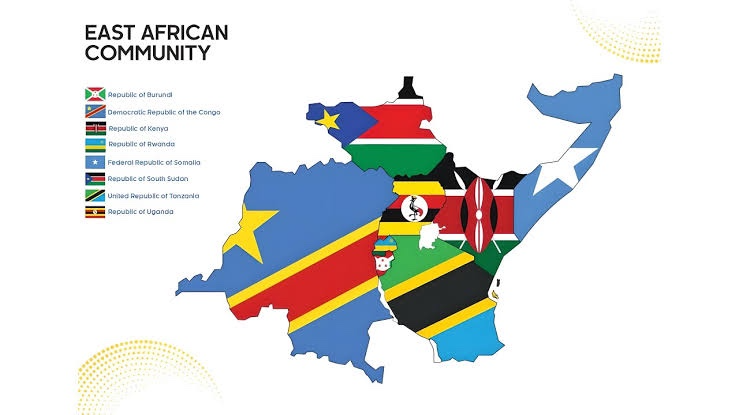
The Role of Microfinance in Alleviating Poverty in East Africa
Microfinance has emerged as a vital tool in alleviating poverty across East Africa, where a significant portion of the population remains financially excluded. This region, which includes Kenya, Uganda, Tanzania, and Ethiopia, has seen a significant expansion of microfinance institutions (MFIs) over the past few decades. By offering small loans, savings accounts, and insurance to those traditionally excluded from formal banking systems, MFIs have empowered economically marginalized communities to improve their livelihoods, engage in productive activities, and lift themselves out of poverty...
-
South Sudan's Displaced: The Pressing Call for Humanitarian Action
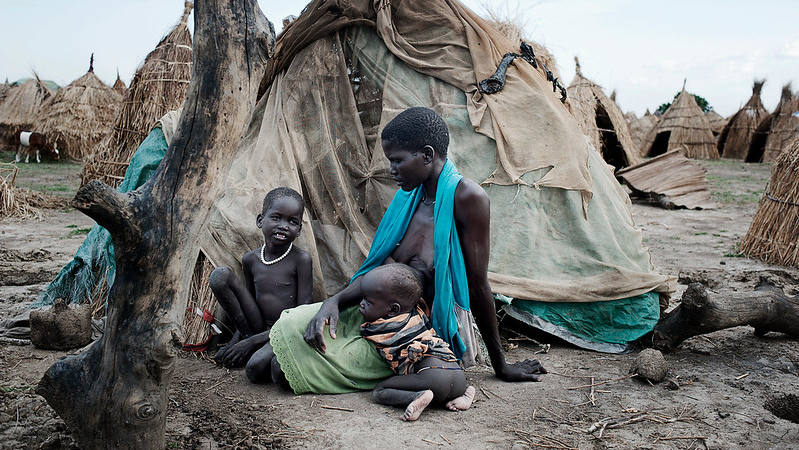
South Sudan, the world's youngest nation, has been mired in conflict and violence since its independence in 2011. The ensuing civil war and ethnic strife have created a humanitarian crisis of enormous proportions, leaving millions of people displaced and struggling to survive. As of 2023, over 4 million South Sudanese have been forced to flee their homes, with 1.8 million internally displaced and another 2.2 million seeking refuge in neighboring countries...
-
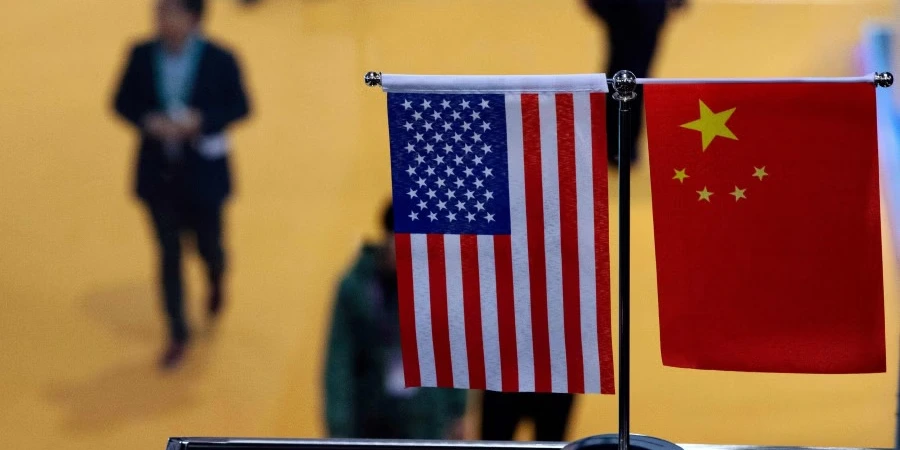
Chinese-American Relations and the Influence on Students Pursuing Study Abroad Opportunities
Over two centuries have passed since the beginning of the rich and complicated history of Chinese-American ties. Trade interests were the main driving force behind the start of formal relations between China and the United States in the late 18th century. An important first step was taken in 1844 with the Treaty of Wanghia, which formalized diplomatic ties and made the United States the "most favored nation" in commerce with China...
-
Exploring Linguistics: An Impractical Field or a Fascinating Subject?
Linguistics is, broadly put, the scientific study of languages. At first glance, one might wrongly presume that linguistics is only a subject for polyglots, but, in reality, many great linguists are only monolinguals or bilinguals who harbor a love for languages...
-
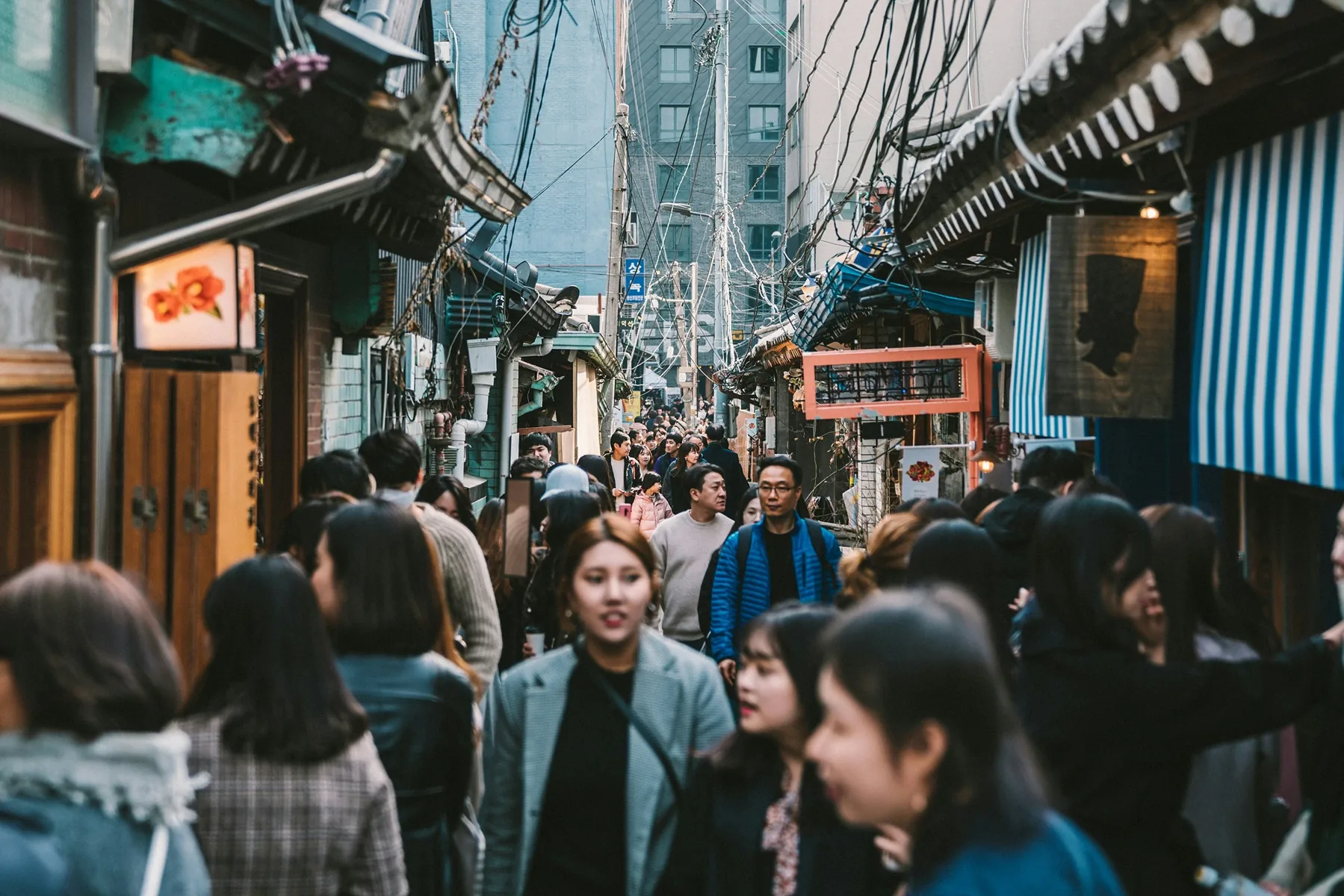
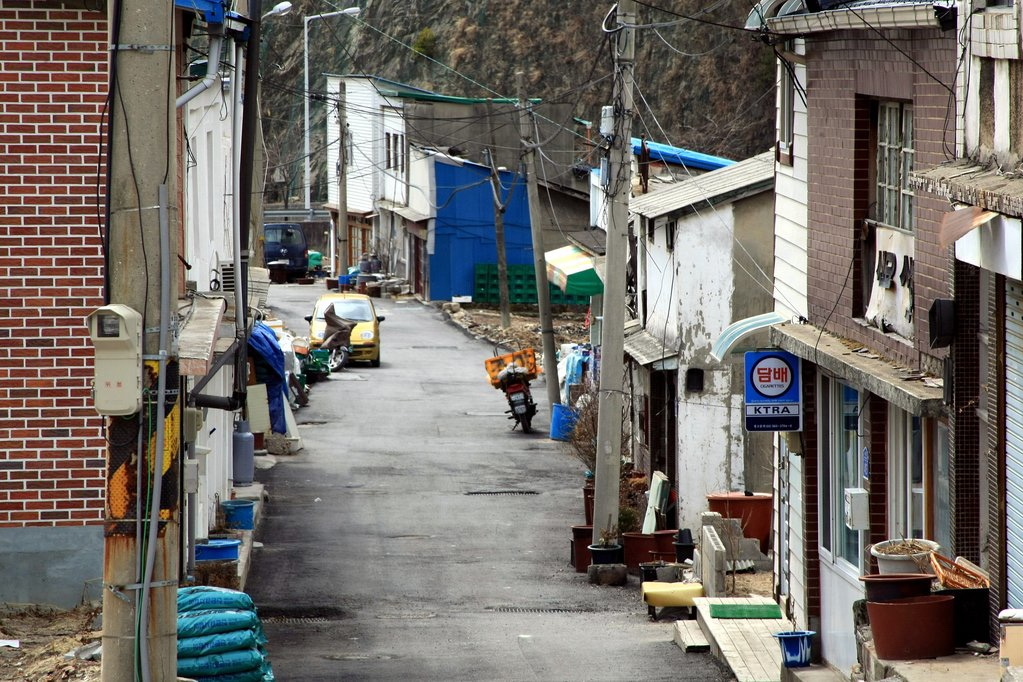
Toward Sustainable Urbanization: Policy Directions for Reducing Urban Migration
South Korea is facing a dual crisis of severe overpopulation in Seoul and the alarming deterioration of rural areas. The concentration of the population in urban centers, particularly Seoul, has resulted in infrastructural strain and a high cost of living, while rural areas suffer from depopulation and economic decline. Compounding these issues is South Korea's record-low birth rate, which poses a long-term threat to the nation's demographic and economic stability...
-
Navigating the Urban Exodus: Understanding and Addressing Rural-to-Urban Migration Challenges in South Korea
The ongoing urbanization trend in South Korea, characterized by a significant rural-to-urban migration, primarily to Seoul, underscores a critical need for rethinking rural development and fostering rural-urban coexistence. This essay delves into the importance of rural development in South Korea, exploring its implications for economic stability, social cohesion, environmental sustainability, and cultural preservation...
-
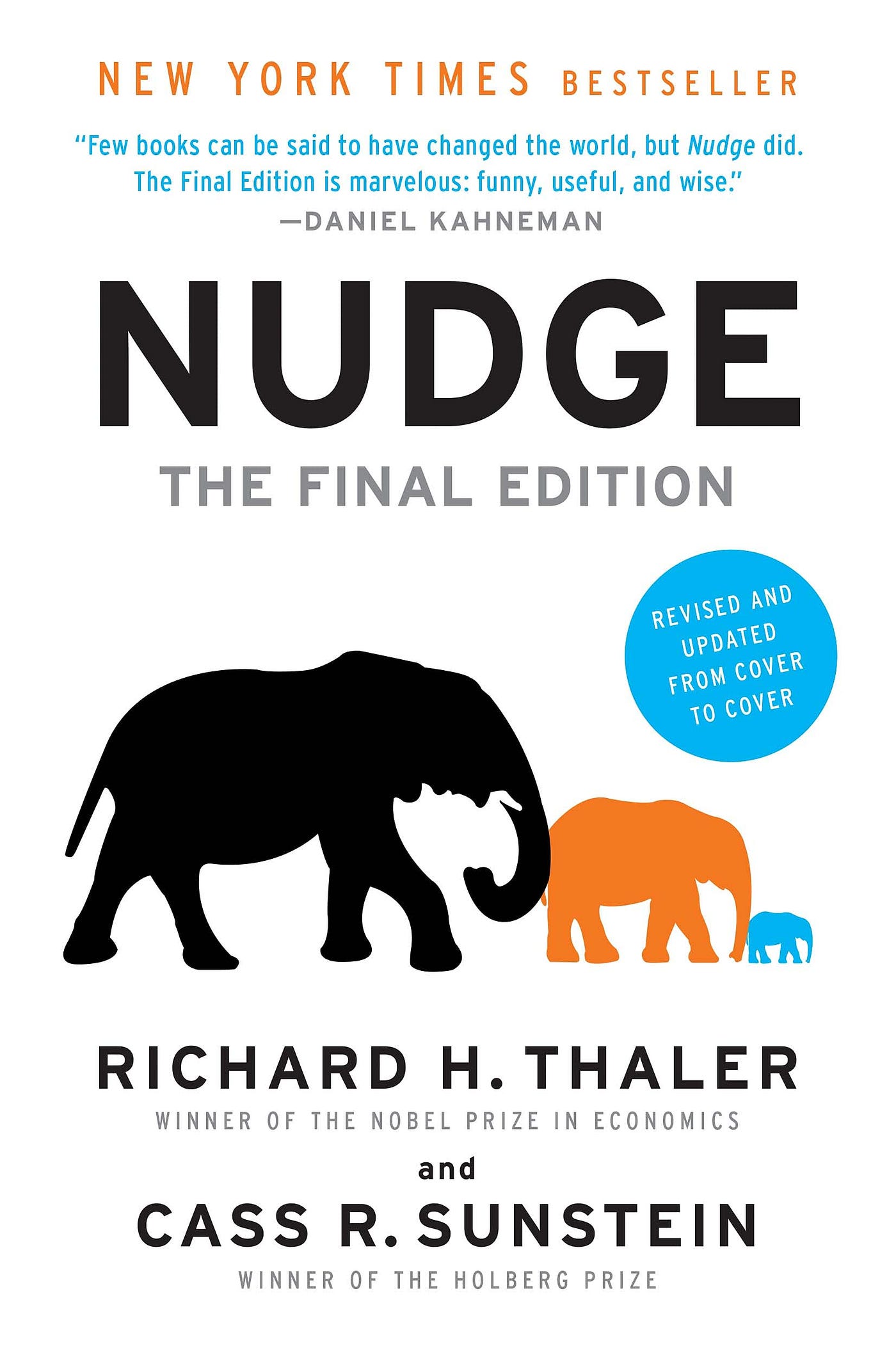
A Nudge in the Right Direction
The human mind is truly one of the greatest wonders in our world; it is truly a fine piece of machinery - so intricately constructed that it can accomplish tasks that even the all-mighty “Chat-GPT” can’t dare to do...
-
The Impact of Economic Inequality on Immigrants' Pursuit of the American Dream
The American Dream, an integral aspect of the nation's spirit, embodies the commitment to personal advancement and achievement through diligent effort and unwavering resolve. However, economic inequality is a significant obstacle confronting numerous immigrants in pursuing this ideal due to challenges that collectively contribute to shaping the elusive nature of the American Dream...
-
Don’t Catch the Crime Cold
Recall your childhood memory. One kid coughs a few times during math class, and - before you know it - your friends get infected one by one as if it tipped off a sort of domino chain...
-
The Influence of ChatGPT on Writing to Students
Writing has always been a bog. I think it’s safe to say that no writer in history - notwithstanding their aptitude - has accomplished the great feat of churning out words with no difficulty. Most people treat writing as a battle as if they have to navigate through a jungle of complex syntax and words everytime they hold a pen or a keyboard...
-
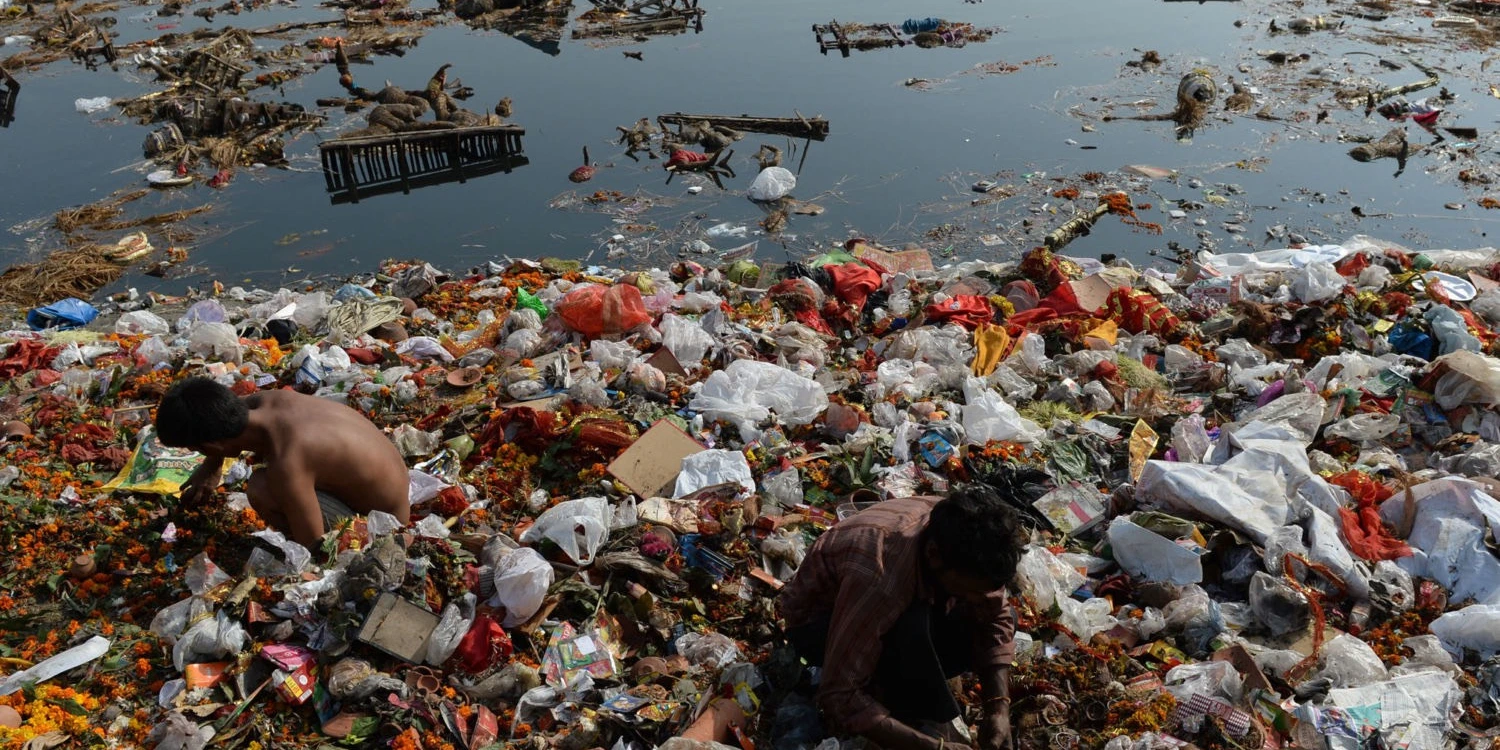
From an International Student's Perspective Water Pollution in India
Water, constituting 71% of the Earth, is undeniably one of the most abundant resources on our planet. Yet, only a mere 2.5% of this vast aquatic expanse is suitable for drinking and other essential purposes. This seemingly paltry fraction is scarcely sufficient to quench the thirst and meet the needs of billions of people around the globe...
-
Serving For Those Who Served: A Promise to Korean War Veterans
On June 23, 2023, one senior citizen was caught stealing groceries seven consecutive times to resolve his extreme starvation in Busan, South Korea. Surprisingly, during the police interrogation, it was found that the man was an old veteran of the Korean War who was not properly compensated for his service and commitment to the country. Such a case lays bare the status quo of the welfare system of one of the affluent countries in the world on their war heroes...
-
Building Lives Anew: Exploring the Lives of Refugees
The global refugee crisis remains one of the most pressing humanitarian issues of our era. Driven by wars, persecution, climate change, and economic strife, millions are uprooted from their homes, embarking on perilous journeys toward safety and a better life. The path, fraught with challenges, does not end at the border of a new country; the process of settling and integrating into a new society poses its own unique difficulties...
-
AI in the Spotlight-Anticipating the Impact of Artificial Intelligence on the Dynamics and Outcomes of the 2024 Elections
AI's popularity has soared in recent years, impacting daily life and politics. According to a Gartner survey, by 2022, 70% of enterprises were expected to implement AI to assist employee productivity. Moreover, International Data Corporation stated that global AI spending was projected to reach $98 billion in 2023. This prompts the question: To what extent will AI impact voter decision-making in the 2024 US elections?
-
Empowering Hope: Ensuring Rights and Education for Refugees in a New Homeland
People and children who traveled hundreds of miles in quest of refuge in the United States came to national notice when the Central American caravan arrived at the southern U.S. border in April 2018. The Trump administration saw this as proof of a pressing border crisis that required a robust response. The administration implemented significant policy changes on asylum and criminal prosecutions and sent thousands of National Guard soldiers to the border...
-
From Conflict to Commerce: How Global Warfare Shapes International Trade
Wars affect the world in many different ways. Wars can have significant effects on trading in the world. First, wars can cause the disruption of supply chains, which can lead to difficulties in transporting goods, causing delays and increasing costs. Trade routes may be disrupted or blocked altogether, making it challenging to move goods between countries...
-
The Hong Kong-China Conflict: A Historical Overview and Current Developments
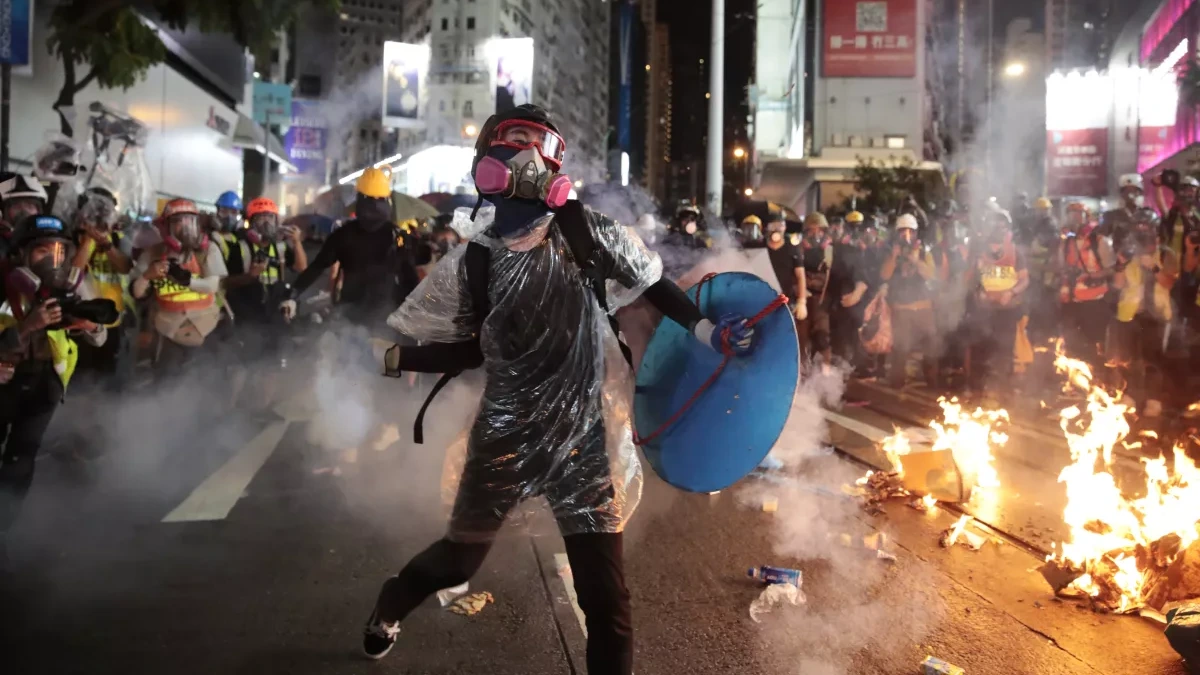
The Hong Kong-China conflict is a political issue that has been ongoing for decades. It has become increasingly prominent in recent years due to the 2019 Hong Kong protests, which saw millions of Hong Kongers take to the streets to demand greater autonomy and democracy...
-
AUKUS in 2021: A Historic Alliance Reshaping the Geopolitical Landscape
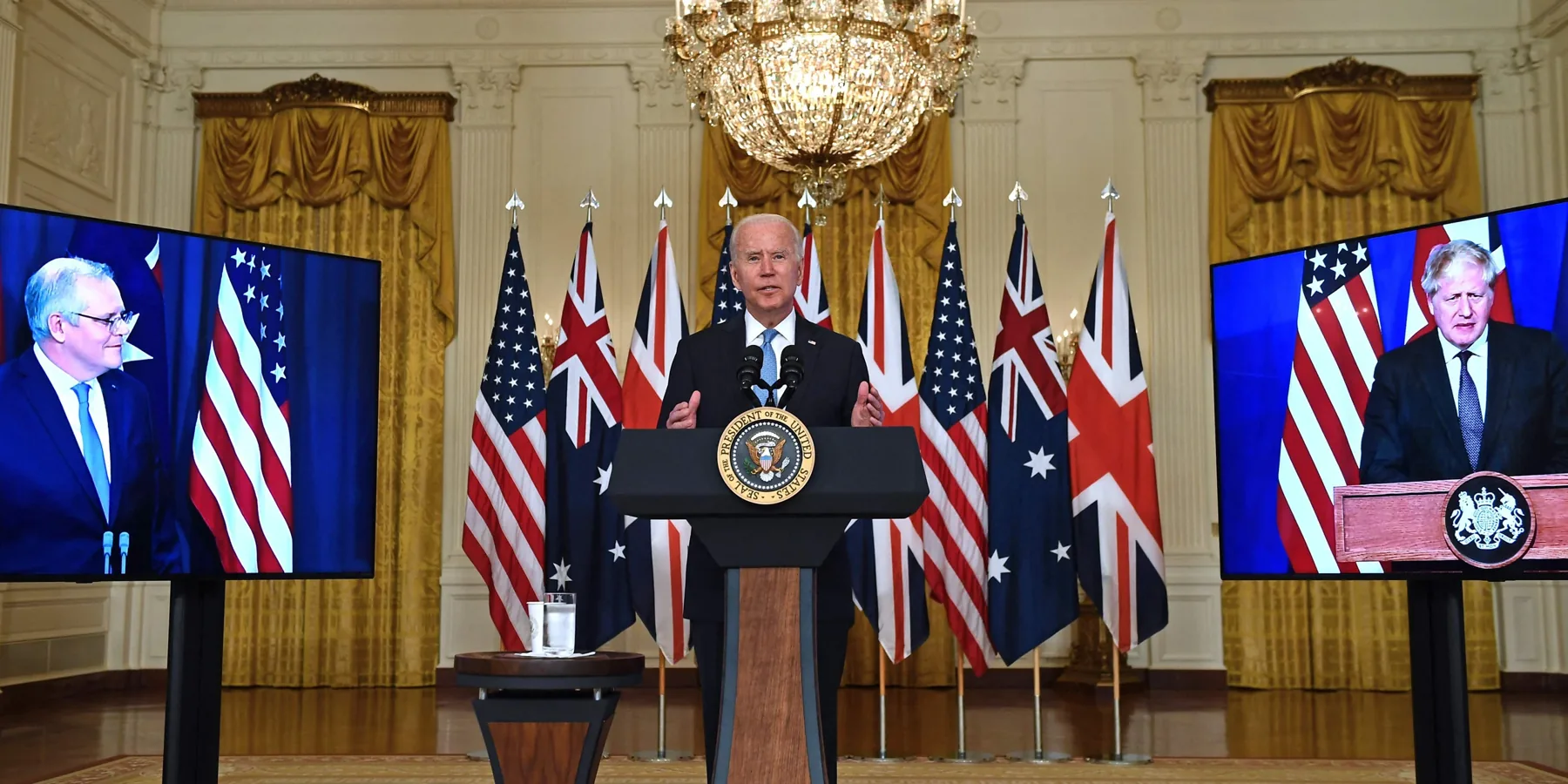
The AUKUS agreement, a security pact between the United States, Australia, and the United Kingdom, has sparked both praise and criticism in the international community. The agreement, which focuses on sharing technology, information, and expertise in the areas of defense and security, has the potential to significantly impact the global balance of power...
-
Taliban Takeover of Afghanistan Brings Uncertainty to the Region
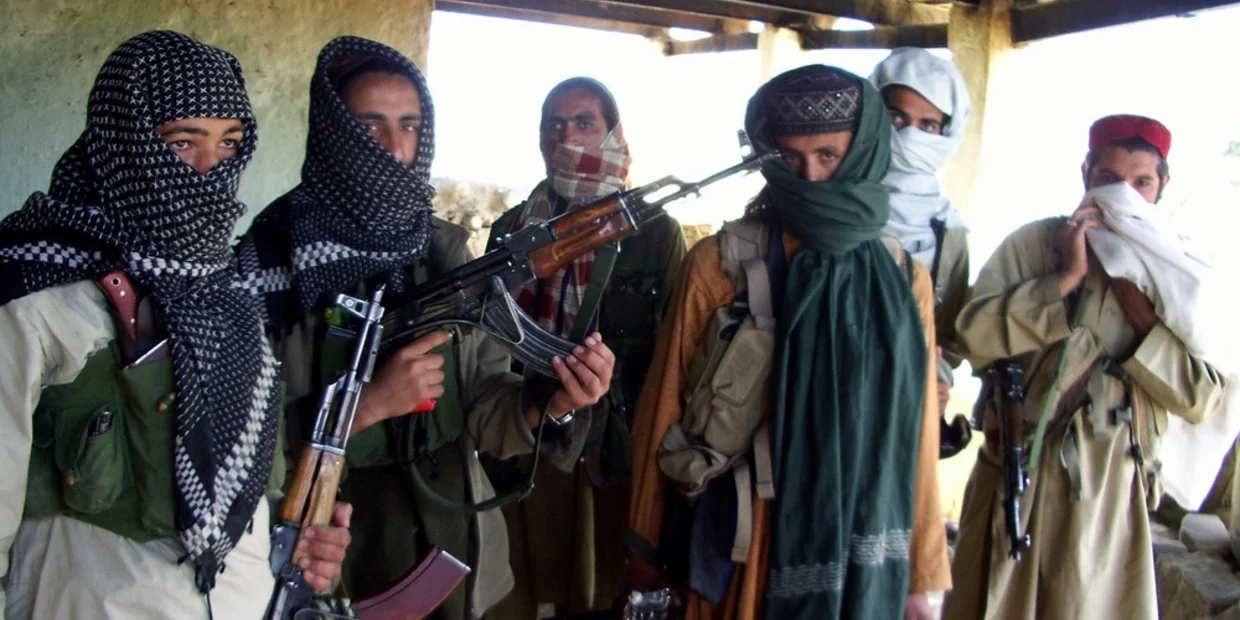
The Taliban's swift takeover of Afghanistan in 2021 has significant implications for the country and the wider region. The sudden collapse of the Afghan government has raised concerns about the security situation in the country and the future of its people. This report analyzes the regional implications of the Taliban's return to power, including the potential impact on neighboring countries, refugees, and the fight against terrorism...
-
The Costs and Benefits of the U.S. Military Withdrawal from Afghanistan
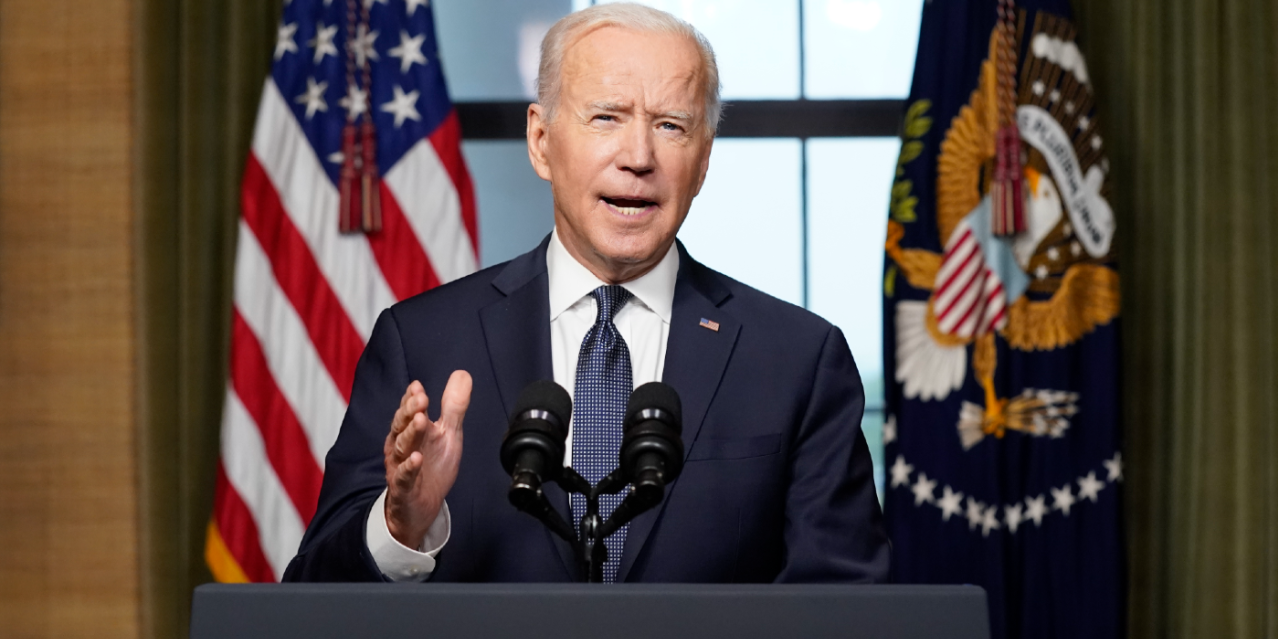
For over two decades, the United States of America had been involved in the Afghanistan War, which was the longest war in its history. The war began in 2001, after the 9/11 terrorist attacks, when the United States, with NATO's support, invaded Afghanistan to dismantle the Taliban regime that had been providing a safe haven to al-Qaeda...
-
Myanmar's Military Coup: A Shocking Turn of Events in the Land of Golden Pagodas
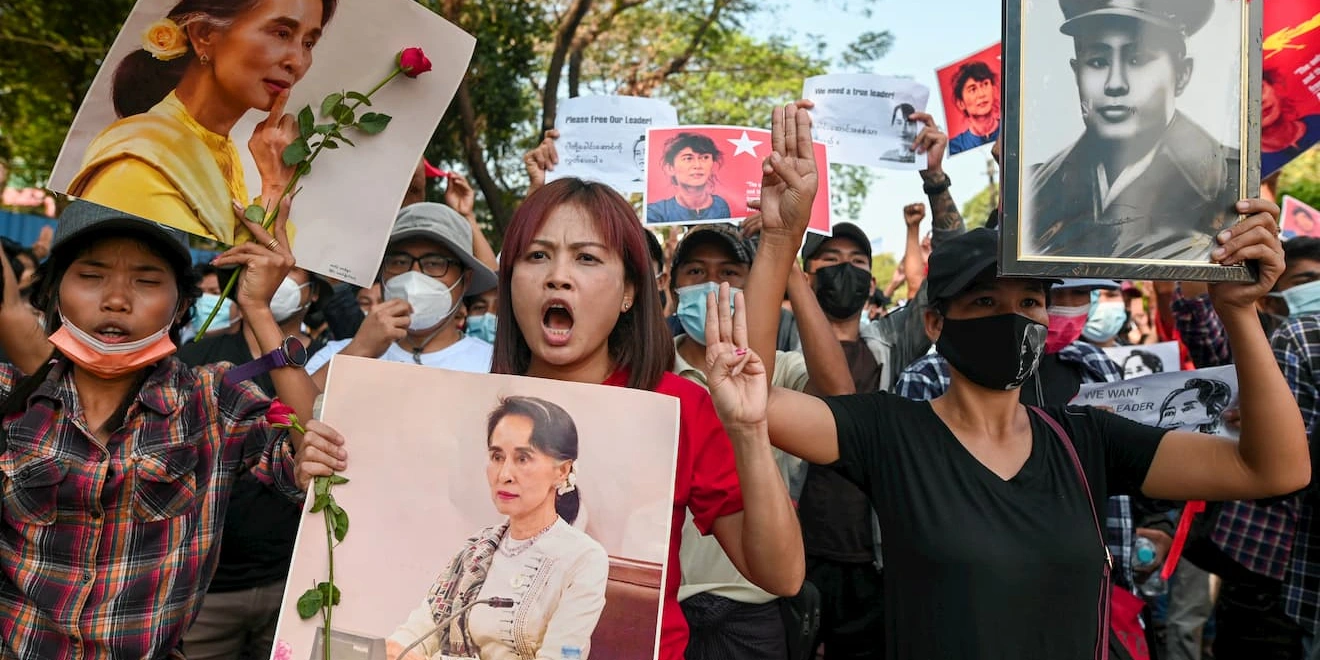
In February 2021, Myanmar's military staged a coup, ousting the democratically elected government and detaining its leaders, including State Counsellor Aung San Suu Kyi. The military's actions have led to widespread protests and violence, with the international community condemning the coup and calling for the restoration of democracy in Myanmar...
-
The United States' Return to Global Climate Action and Health Cooperation: The Rejoining of the Paris Climate Accord and WHO
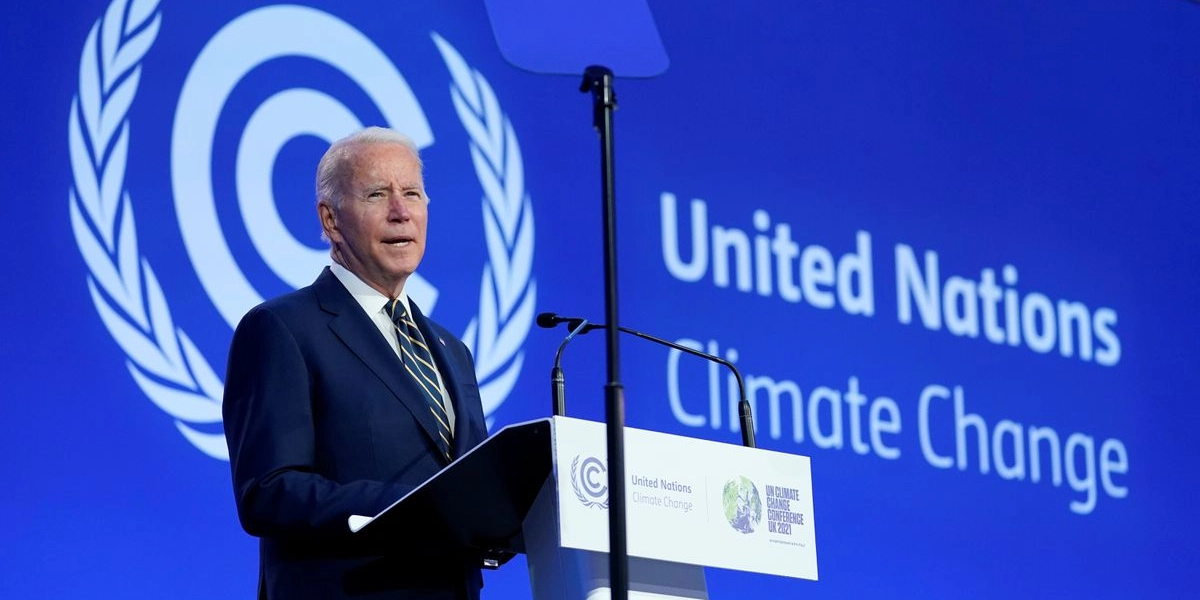
The United States, under the new administration of President Joe Biden, has taken significant steps to rejoin the international community by rejoining the Paris Climate Accord and the World Health Organization (WHO). This report provides an in-depth analysis of the implications of these actions, including their significance for global climate change and international health policy...
-
The Vital Role of Congress in Presidential Oversight: Lessons from the Impeachment of Donald Trump
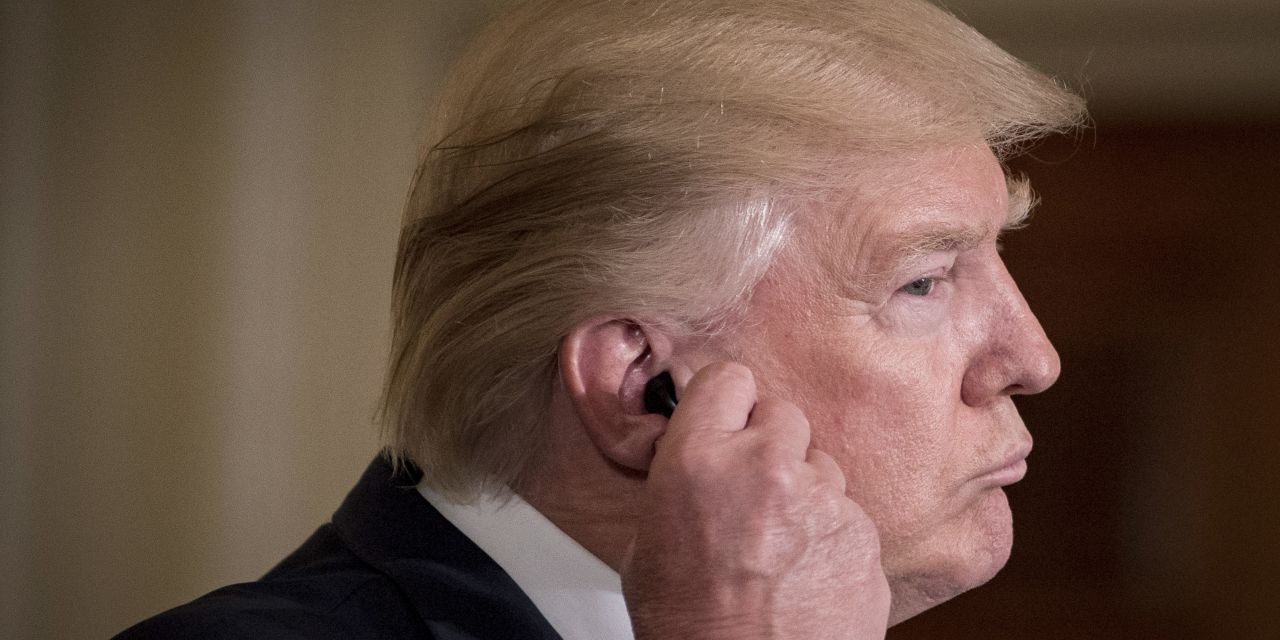
The impeachment of President Donald Trump in late 2019 and early 2020 marked a historic moment in American politics. Amid allegations of abuse of power and obstruction of Congress, the House of Representatives impeached the President, and the Senate ultimately acquitted him after a trial. While Trump's impeachment was a deeply divisive and partisan issue, it also shed light on the critical role that Congress plays in presidential oversight and accountability...
-
The Assassination of Mohsen Fakhrizadeh: Implications for Iran's Nuclear Program and Regional Security
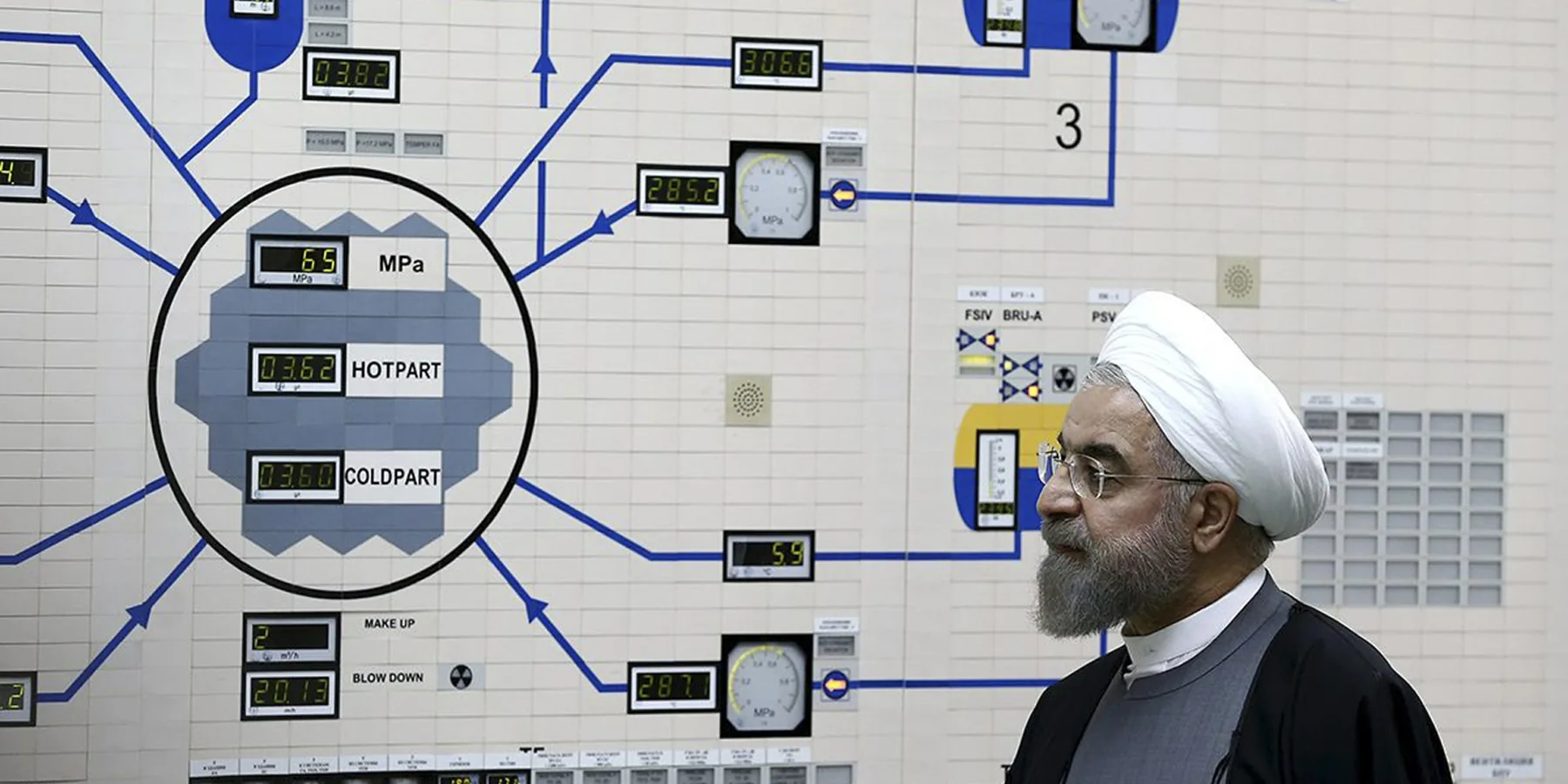
The assassination of Mohsen Fakhrizadeh, a leading nuclear scientist in Iran, in November 2020 sent shockwaves through the international community. Fakhrizadeh was widely considered the mastermind behind Iran's nuclear program, and his death has raised concerns about the future of the program and its impact on regional security. This paper seeks to explore the implications of Fakhrizadeh's assassination for Iran's nuclear program and regional security...
-
Caught in the Crossfire: An Analysis of the Armenia-Azerbaijan Border Crisis
The Armenia-Azerbaijan border crisis has been one of the most significant geopolitical events in the South Caucasus region in recent years. The conflict, which started in September 2020, has had far-reaching implications for regional security and stability, as well as for global politics. This paper will analyze the impact of the Armenia-Azerbaijan border crisis on regional security and stability, with a focus on the responses of regional actors...
-
The 2020 Belarusian Protests: An Analysis of Democratic Resistance and Authoritarianism
The 2020 Belarusian protests marked a pivotal moment in the country's history, as citizens took to the streets to challenge the authoritarian regime of President Alexander Lukashenko. The protests were triggered by Lukashenko's controversial re-election for a sixth term, which was widely perceived as fraudulent. The ensuing protests were met with violent repression from the state, but they also generated international attention and solidarity...
-
The Killing of George Floyd and the Black Lives Matter Movement: An Analysis of the Global Response to Systemic Racism
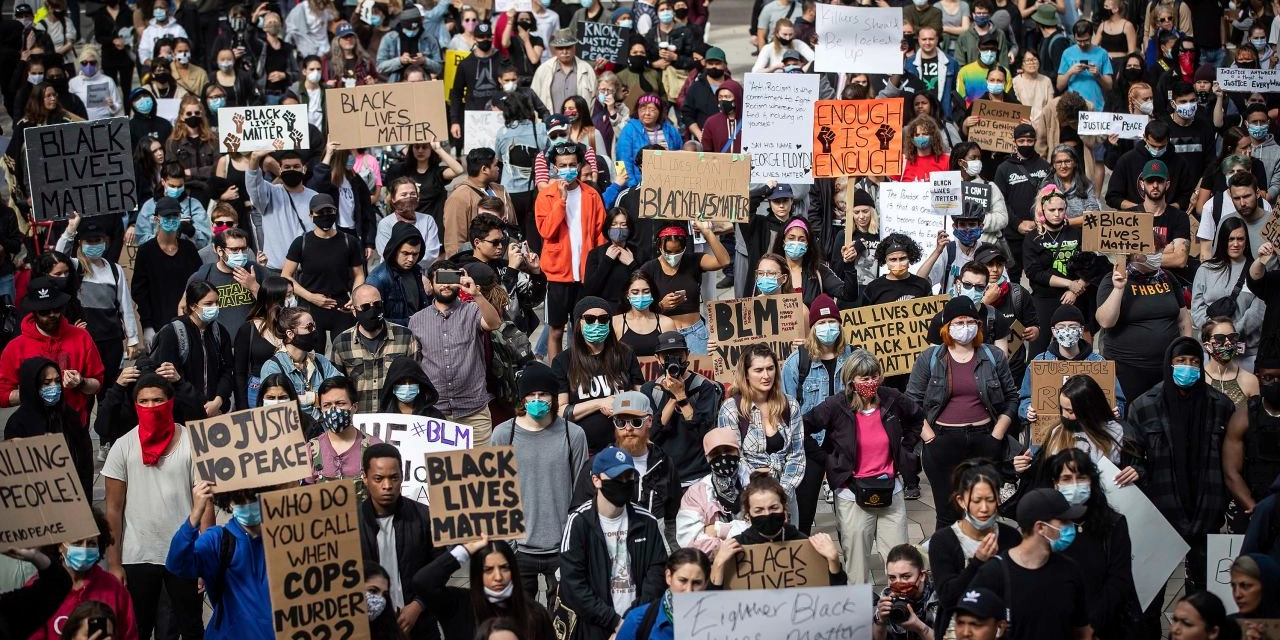
The killing of George Floyd, a 46-year-old Black man, by a Minneapolis police officer on May 25, 2020, sparked protests across the United States and the world. This report provides a critical analysis of the global response to the killing of George Floyd and the Black Lives Matter movement, including the root causes of systemic racism, the government response, and the broader implications for social justice...
-
The Historic Win of "Parasite" at the Oscars
The Korean movie 'Parasite' made history at the 92nd Academy Awards by becoming the first non-English language film to win the Best Picture award. The film, directed by Bong Joon-ho, received critical acclaim and commercial success worldwide, signaling a growing recognition and appreciation of Korean cinema in the global market. In this essay, we will analyze the success of 'Parasite' and explore the reasons behind the rising popularity and recognition of Korean cinema...
-
The Royal Shake-up: The Impacts of Prince Harry and Meghan Markle Quitting the Royal Family
On January 8, 2020, Prince Harry and Meghan Markle announced that they were stepping back from their roles as senior members of the British royal family. This unprecedented move, known as Megxit, sent shockwaves across the world and raised questions about the future of the British monarchy and its relationship with the international community...









































No articles match your search.