The Silent Epidemic: Why Neglected Tropical Diseases Matter
The global struggle against disease often overlooks the world’s most vulnerable—people living with neglected tropical diseases, or NTDs. NTDs are a diverse group of infectious illnesses caused by bacteria, viruses, parasites, and fungi, most commonly found in tropical and subtropical regions where poverty, limited health services, and poor sanitation allow them to thrive. More than 1 billion people worldwide—disproportionately among those with the fewest resources—suffer from these conditions, which can cause chronic pain, disability, disfigurement, and sometimes death, while also fueling stigma and trapping families in cycles of poverty and limited opportunity. Yet despite causing immense hardship and economic loss, NTDs have historically received little attention or funding; their victims are often “neglected” by both science and society. The challenge for global health is clear: by combining proven interventions like widespread medication campaigns, improved sanitation, vector control, and community support, we have the opportunity to not only relieve suffering but break the cycle that keeps these diseases—and the people they affect—at the margins of progress.
Neglected tropical diseases impose a vast and persistent global burden, affecting more than 1.6 billion people—primarily in Africa, Asia, and Latin America, where poverty and limited health infrastructure allow these illnesses to thrive. Children are often the hardest hit, suffering chronic pain, disfigurement, and developmental delays; women, especially in rural communities, face stigma that compounds the physical harm and limits their roles in society. Many NTDs directly trap families in poverty—infected adults may struggle to work, children miss school due to illness or disability, and community stigma can lead to isolation and loss of opportunity. For instance, a child with chronic schistosomiasis may miss months of education, while a parent living with lymphatic filariasis or river blindness struggles with employment and daily care. The resulting cycle—sickness, stigma, and diminished productivity—makes it harder for affected populations to break free from poverty and keeps NTDs entrenched in society.
Despite their tremendous impact, NTDs remain “neglected” due to systemic issues in global health funding and political will. Compared to HIV/AIDS, malaria, or tuberculosis, NTDs receive a fraction of international financial support—and recent cuts to development assistance have already delayed mass treatment campaigns and critical research in some of the world’s most vulnerable communities. Pharmaceutical companies rarely invest in new NTD drugs, diagnostics, or vaccines because these diseases mostly affect people too poor to pay for treatments, reducing potential profitability. Weak political prioritization—both globally and within affected countries—means public health agendas often overlook NTDs when allocating resources, planning infrastructure, or designing health policies. As a result, millions continue to suffer from diseases that are often preventable, treatable, and curable with existing tools, but which remain in the shadows of the global health conversation.
Neglected tropical diseases remain underfunded and under prioritized despite affecting more people globally than HIV/AIDS, malaria, and tuberculosis combined. Funding disparities are striking—while these three major diseases receive over 70% of global health investments, NTD programs account for only a few percent of total international aid and research spending. For instance, the U.S. allocated over $6 billion annually to HIV/AIDS programs but less than $100 million to NTD research and control in 2016. This imbalance leaves millions vulnerable despite NTD interventions being among the most cost-effective in global health. Financial neglect is compounded by the pharmaceutical industry’s limited interest; most NTDs primarily impact low-income populations that cannot afford high-priced treatments, making drug development financially unattractive. Only a handful of companies—often through public-private partnerships—engage in producing or donating essential NTD medicines. Weak political prioritization further deepens the problem: governments in endemic countries often lack the resources or infrastructure to coordinate national responses, while international policymakers tend to focus on higher-profile epidemics that attract media and donor attention. As a result, NTDs linger in the shadows of global health despite being both preventable and curable.
The consequences of this neglect extend far beyond physical suffering, creating a ripple effect that undermines health, social wellbeing, and economic stability in affected regions. NTDs often cause chronic disability, blindness, and disfigurement, as seen in diseases such as onchocerciasis (river blindness), lymphatic filariasis (elephantiasis), and leprosy. These long-term conditions limit mobility and independence, making it difficult for adults to work and for children to stay in school, thereby reducing a community’s long-term productivity. Socially, visible symptoms lead to stigma and exclusion—individuals with leprosy, for example, are often shunned despite being non-contagious once treated, while women disfigured by diseases such as lymphatic filariasis may face gender-based discrimination and isolation. The psychological impact is severe: depression and anxiety are common as people are excluded from employment, education, and social participation. Economically, these health and social consequences reinforce the poverty trap; households lose income when members can’t work, healthcare costs pile up, and children inherit both economic and health disadvantages. In short, the neglect of these diseases perpetuates a cycle of illness and poverty that has endured for generations—a cycle that can only be broken through sustained attention, funding, and inclusion in global health priorities.
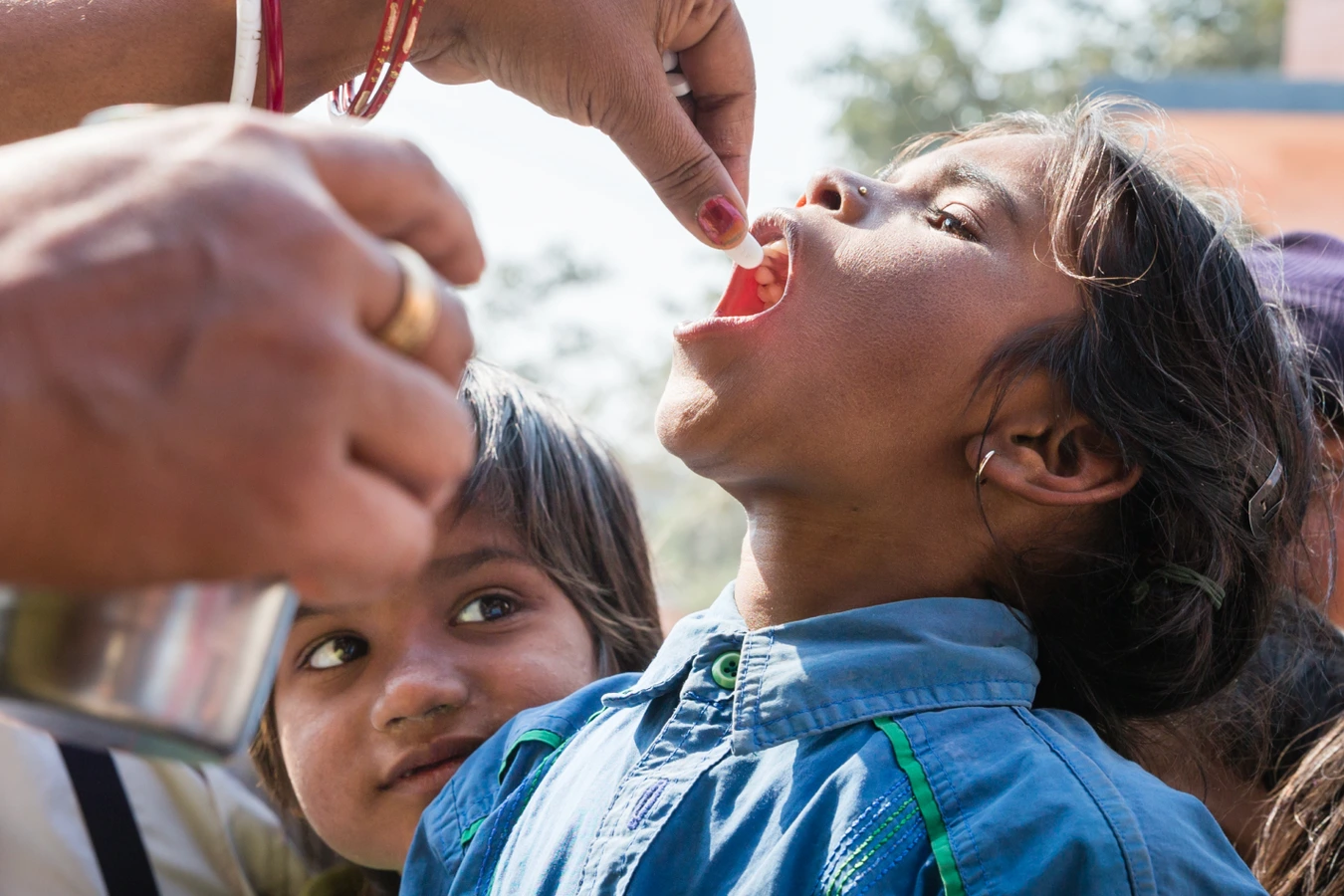
Efforts to combat neglected tropical diseases combine several proven public health strategies, each tailored to the unique challenges these infections present. Mass drug administration (MDA) is one of the most impactful approaches: large-scale delivery of medicines such as ivermectin for river blindness and albendazole for soil-transmitted helminths is coordinated by governments and partners to reach millions at risk before symptoms even start. Improved sanitation and access to clean water—sometimes called WASH (Water, Sanitation, and Hygiene)—are crucial for stopping the cycle of transmission, especially for diseases that thrive in poor hygiene conditions. Vector control is another pillar: providing bed nets, indoor spraying, and environmental management keeps mosquito populations in check, directly reducing diseases like lymphatic filariasis and dengue fever. Community health education and support are essential for sustaining these gains; by training local health workers, informing communities about prevention, and reducing stigma, programs strengthen local ownership and ensure that interventions really make a difference for those affected.
Success Stories Decades of effort have resulted in several inspiring success stories that show NTD elimination is possible. One landmark achievement is the near-eradication of Guinea worm disease in Africa—cases fell from 3.5 million per year in the mid-1980s to fewer than 20 in 2024, thanks to mass education, safe water, and community surveillance. Sri Lanka and the Maldives have officially eliminated lymphatic filariasis as a public health problem, using a combination of mass drug administration, mosquito control, and robust health worker outreach. Similar victories are evident in trachoma elimination campaigns, where improved sanitation, antibiotic distribution, and eye care have pushed the disease to the brink of elimination in multiple countries, including Morocco and Ghana. These examples demonstrate that, with coordinated action and sustained support, diseases once seen as inevitable burdens can be virtually wiped out.
The fight against neglected tropical diseases is complicated by emerging threats and persistent weaknesses in health systems. Climate change and increased human migration are already spreading NTDs to new regions, as warmer temperatures and shifting rainfall patterns expand the range of disease-carrying insects like mosquitoes and blackflies well beyond traditional tropical zones. This means more people—and communities previously unaffected—face fresh risks, often with little preparation. At the same time, funding gaps remain severe, with NTD programs chronically under-resourced compared to other global health priorities. Weak health systems—especially in remote and rural areas—struggle to deliver medicines, maintain surveillance, and respond quickly to outbreaks, leaving the most vulnerable populations at ongoing risk. These challenges threaten to stall or reverse recent progress unless addressed through coordinated, well-funded action.
To truly defeat NTDs, the future must involve integrated strategies that combine disease control with broader goals like poverty reduction, clean water, and universal health coverage—mirroring the Sustainable Development Goals (SDGs). Governments, NGOs, and local communities all play a critical part: coordinated policies, cross-sector collaboration, and strong community leadership are key to lasting change. Importantly, global solidarity is needed—leaving NTDs behind means leaving millions of people behind, often the poorest and most marginalized. By connecting NTD work with broader development, encouraging innovation, and investing in resilient health systems, the world can protect hard-won gains and push towards the real possibility of ending these diseases for good.