Punishment Over Public Health: A Failed Policy Built on Racial and Economic Inequality
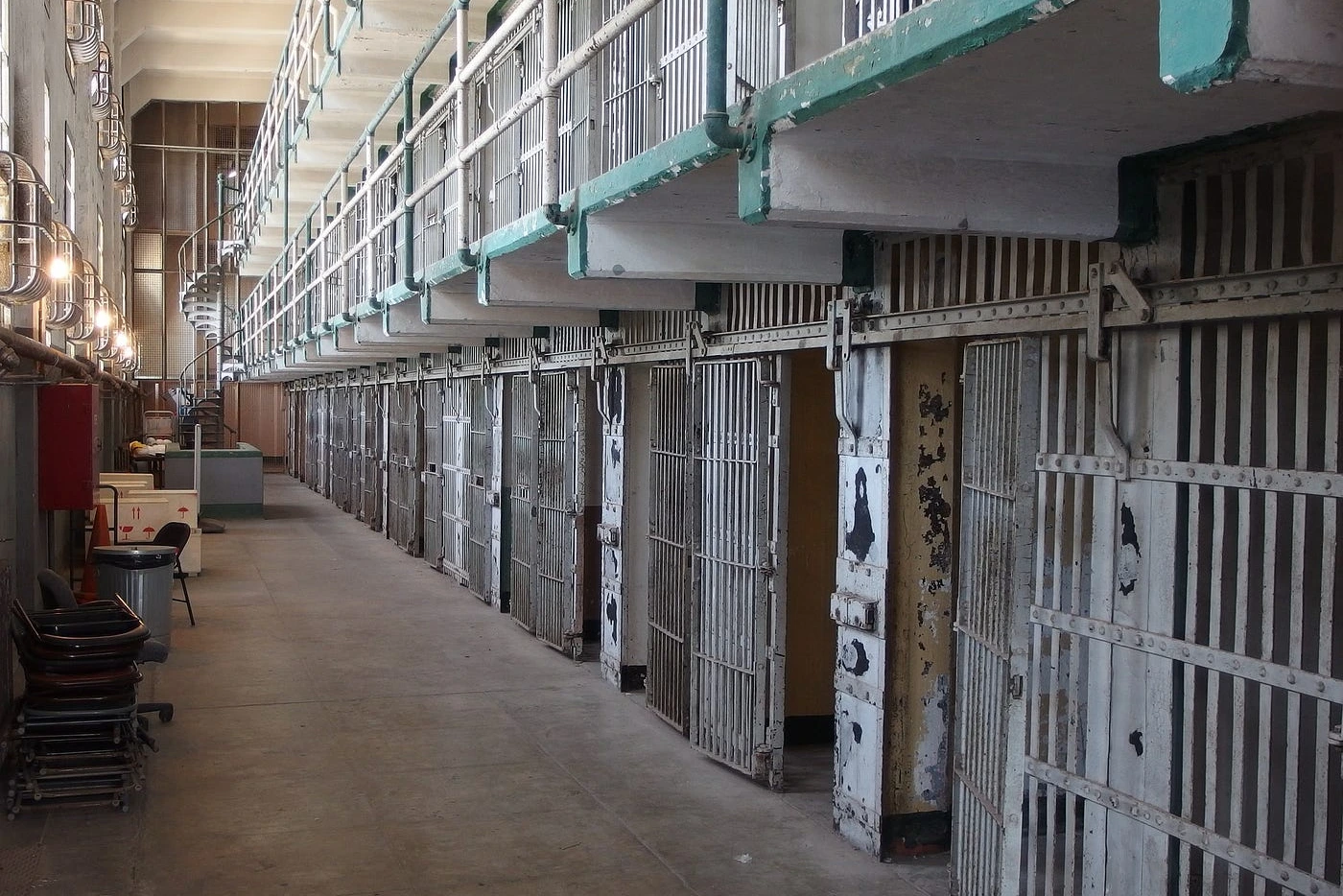
In the fifty years since President Richard Nixon declared drug abuse “public enemy number one,” the United States has spent more than a trillion dollars fighting its socalled War on Drugs, yet drugs today are cheaper, purer, and more widely available than ever. At the same time, the human cost of this campaign has been staggering: the number of people incarcerated for drug offenses has soared from tens of thousands in 1980 to hundreds of thousands today, with Black Americans making up a vastly disproportionate share of those behind bars for drug crimes despite being only a fraction of the overall population. National surveys, however, show that Black, white, and Latino Americans use illicit drugs at roughly similar rates, revealing that enforcement, not behavior, explains much of this racial imbalance. Instead of delivering safety or ending addiction, punitive drug policies have swelled prisons, destabilized families, and concentrated punishment on already marginalized communities. Nowhere is this clearer than in the way aggressive policing, mandatory minimum sentences, and sentencing disparities have disproportionately targeted African Americans and people living in poverty, turning substance use into a gateway not just to criminal records but to lifelong social and economic exclusion. This essay argues that the U.S. War on Drugs has failed as a drug-control strategy and has operated, in practice, as a racially and economically discriminatory system that punishes Black and poor communities while doing little to address addiction, public health, or justice.
Decades into the War on Drugs, the clearest measure of failure is that drugs have become cheaper, more potent, and easier to obtain despite massive public spending. Federal analyses of DEA data show that from 2012 to 2016, the “price per gram pure” of cocaine in the U.S. fell by about 19% (from roughly $174 to $141) while average purity rose from about 49% to 62%, indicating greater availability and strength on the street even as enforcement continued. A similar pattern appears for methamphetamine, where prices dropped by about 35% between 2012 and 2016 while purity climbed to around 94%, confirming that supply stayed robust in spite of aggressive interdiction. Overdose data tell the same story: the ageadjusted drug overdose death rate in the United States increased from 8.9 deaths per 100,000 people in 2003 to 32.6 per 100,000 in 2022—more than a threefold rise during a period dominated by punitive drug policy. Opioidinvolved deaths are nearly ten times higher than in 1999, with around 80,000 opioid overdose deaths recorded in 2023 alone. Rather than treating addiction as a chronic health condition, the U.S. has primarily criminalized it: roughly half a million people are currently incarcerated for drug offenses, many for possession or lowlevel sales, filling prisons with nonviolent offenders while leaving underlying dependence and trauma largely untreated. These statistics show that punishmentcentered strategies have not reduced drug supply, overdose, or demand; they have simply shifted the burden into jails, prisons, and morgues.
The War on Drugs has also entrenched profound racial inequalities, particularly for Black Americans and Latinos, despite similar drug use patterns across groups. National survey data consistently show that Black and white Americans use illicit drugs at roughly comparable rates, yet Black people make up about 14% of the U.S. population while accounting for around one in four arrests for drug law violations and an even larger share of drug prison sentences. Investigations of arrest and conviction records have found that in many states, Black people are arrested for narcotics offenses at two to three times the rate of white people; in some jurisdictions, Black residents have made up more than half of all drug arrests. This disparity is reinforced by policing practices such as stopandfrisk, aggressive drug sweeps in predominantly Black and Latino neighborhoods, and schooltoprison pipelines that funnel young people of color into the justice system for minor possession offenses. The consequences radiate far beyond time served: a drug conviction can strip people of voting rights, limit access to housing and student loans, and make stable employment far harder to obtain, which in turn harms children and partners who depend on their income. In contrast, the largely white, suburban victims of the recent opioid epidemic have more often been portrayed as patients in need of care rather than criminals, underscoring a racial double standard in how addiction is framed and addressed. Taken together, these patterns reveal that the War on Drugs has functioned less as a neutral crimecontrol policy and more as a system that concentrates surveillance, punishment, and longterm disadvantage on Black and poor communities.
Punitive drug enforcement has hit poor neighborhoods hardest, in part because street-level drug markets are more visible in disadvantaged communities, making arrests easier and encouraging police departments to concentrate anti-drug resources there. Research and policy reporting also links concentrated poverty and neighborhood disadvantage with higher levels of police contact and arrest risk, meaning poor communities experience heavier surveillance even when the underlying behavior is widespread across society. Once someone is pulled into the system, court debt can deepen poverty: the Brennan Center reports that fines and fees quickly add up into hundreds or thousands of dollars, and one study it cites found about half of families with convicted members cannot afford to pay these legal financial obligations. These financial penalties often stack on top of already unstable household budgets, and they can trigger additional consequences (like warrants or further court involvement) that keep people trapped in a cycle of debt and punishment. Even after a sentence ends, criminal records create long-term economic barriers: the NIJ notes that collateral consequences include tens of thousands of statutes limiting opportunities, and that more than 80% of these statutes operate as a denial of employment opportunities. With more than 70 million Americans estimated to have an arrest or criminal record, these barriers scale into a structural problem that blocks jobs and housing—two essentials for recovery and upward mobility.
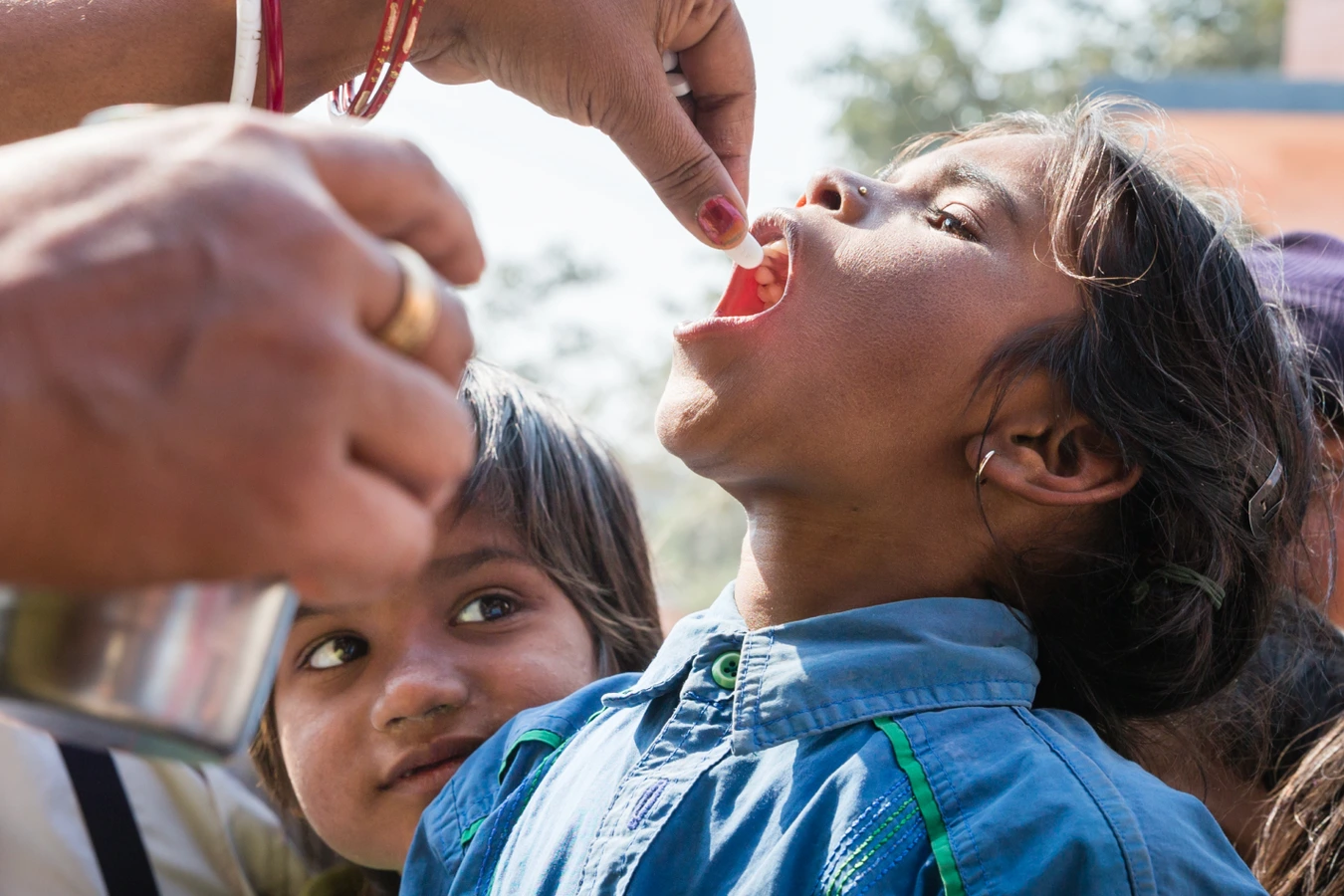
Addiction is a medical condition shaped by brain biology, trauma, and social environment, yet U.S. drug policy has historically leaned on punishment—an approach that discourages people from seeking help and fails to reduce harm at the population level. A clear alternative is Portugal’s model, which decriminalized possession for personal use and paired it with health and social responses; analyses of the policy associate it with substantial reductions in overdose deaths and steep declines in HIV infections linked to injecting drug use. Harm-reduction strategies show measurable health benefits as well: evidence reviews find syringe services programs reduce risky syringe-sharing behaviors, and research summaries report that when people can use a sterile syringe for each injection, HIV transmission can drop by almost 60%. Medication-assisted treatment is another high-impact intervention: a large Massachusetts study found that, compared with no medication, opioid overdose deaths fell by 59% for people receiving methadone and 38% for people receiving buprenorphine over a 12-month follow-up period. A major meta-analysis also found mortality rates are several times higher when people are out of methadone or buprenorphine treatment than when they are retained in care, showing why access and continuity matter. Together, these comparisons underline a central point: treating drug use primarily as a crime has not controlled drugs or saved lives, while health-centered policies and harm reduction measurably reduce deaths and disease transmission.
The War on Drugs has deepened economic inequality by concentrating aggressive policing in poor neighborhoods while simultaneously limiting access to essential recovery services. Studies of urban policing patterns show that drug arrests are 3-5 times more likely in high-poverty areas than in wealthier ones, even after adjusting for population density and reported crime rates, creating a feedback loop where over-policing generates more arrests that justify continued presence. Residents of these neighborhoods also face stark treatment gaps: counties with the highest poverty rates have 40% fewer substance abuse treatment facilities per capita than affluent areas, and Medicaid expansion states saw a 25% increase in treatment access for low-income individuals compared to non-expansion states. Once arrested, the financial burden compounds rapidly—court fines, fees, and bail can total $10,000 or more per case, with one analysis finding that 80% of people unable to pay these costs face additional jail time or warrants. A criminal record then erects lifelong barriers: individuals with drug convictions are 50% less likely to be called back for job interviews, face eviction rates 2-3 times higher than those without records, and see college enrollment drop by 15-20%. This creates cyclical poverty, as formerly incarcerated parents lose income (reducing family earnings by 30-50% on average) and children inherit both economic disadvantage and heightened risk of justice system involvement.
Treating addiction primarily as a criminal justice issue ignores compelling evidence that it functions as a treatable medical condition responsive to health interventions rather than punishment. Portugal’s 2001 decriminalization of personal drug possession—redirecting users to health panels rather than courts—produced measurable gains: drug-related deaths fell by 80% from 2001 to 2019 (from 80 to 16 per million), HIV infections among people who inject drugs dropped by over 95% (from 1,400 cases in 2003 to just 18 in 2019), and overall drug use rates remained stable or declined compared to European peers. Harm reduction strategies reinforce these outcomes: syringe service programs reduce HIV transmission risk by 50-60% among participants by providing sterile needles, while safe injection sites in cities like Vancouver have recorded zero fatal overdoses on site despite serving thousands of daily users. Medication-assisted treatment provides the strongest evidence base—methadone and buprenorphine reduce overdose mortality by 38-59% during treatment compared to no medication, with one large cohort study showing treated patients had half the death rate of untreated peers over 12 months. In contrast, the U.S. approach incarcerates over 350,000 people annually for drug possession despite these alternatives, missing opportunities to cut deaths and disease while perpetuating cycles of re-arrest (recidivism rates for drug offenders exceed 60% within three years). These comparisons demonstrate that health-centered policies not only save lives more effectively but also reduce societal costs compared to the punitive model.
A genuine publichealth alternative to the War on Drugs would begin by decriminalizing lowlevel possession and shifting resources from punishment to care. Portugal’s experience shows what is possible: after decriminalizing personal possession in 2001 and investing in treatment and social support, overdose deaths fell by more than 80% (from 36.2 per million in 1999 to about 5 per million in 2015), new HIV cases among people who inject drugs dropped from 52% of all HIV diagnoses to just 6%, and incarceration for drug offenses declined by over 40%. At the same time, the overall societal cost of illegal substances in Portugal fell by 12% in the first five years and 18% by 2012, suggesting that healthled approaches can save money as well as lives. Redirecting even a fraction of the more than $100 billion spent globally each year on drug law enforcement into evidencebased care would dramatically expand access to treatment, mental health services, and prevention; current estimates show that treatment is at least seven times more costeffective than supplyside enforcement at reducing cocaine consumption by 1%. Communitycentered harm reduction—such as syringe service programs, naloxone distribution, and supervised consumption spaces—has been repeatedly shown to cut HIV and hepatitis C transmission and prevent fatal overdoses without increasing drug use, while medicationassisted treatment with methadone or buprenorphine can lower overdose mortality by 38–59% when patients remain in care. A publichealth model would also end mandatory minimum sentences for nonviolent drug offenses and create robust pathways to seal or expunge past records, reducing the longterm employment and housing penalties that keep people trapped in the shadow of old convictions. Taken together, these reforms point toward a system that treats drug use as a health and social issue, not a moral failing to be punished, and that uses public money to heal communities instead of cycling them through courtrooms and prisons.
The evidence is overwhelming that the United States’ punishmentbased War on Drugs has failed on its own terms: drugs are cheaper and more potent, overdose deaths have soared, and millions have been funneled into jails and prisons without any lasting dent in addiction or supply. At the same time, the burden of this failure has fallen heaviest on Black, Latino, and lowincome communities, where aggressive policing, harsh sentencing, and enduring criminal records have fractured families and deepened generational poverty, even though drug use rates are similar across racial and class lines. By contrast, countries that have reframed drug use as a publichealth challenge—combining decriminalization, harm reduction, and accessible treatment—have reduced deaths, disease, and costs without triggering the social devastation seen under U.S.style prohibition. Addressing addiction through a health lens is not only more humane; it is empirically more effective and more equitable, offering people a path to recovery instead of a lifetime of punishment. Rethinking the War on Drugs means redirecting funds from punitive enforcement to care, dismantling policies that criminalize poverty and race, and building systems that prioritize health, dignity, and community wellbeing over fear and retribution. If policy makers choose evidence over ideology, the next chapter of U.S. drug policy could be defined not by endless war, but by repair, inclusion, and genuine public safety.