Investing in Health: The Boom of Pharmaceutical Stocks

Pharmaceutical stocks have become one of the most attractive sectors in the stock market because they combine financial growth with improving human health. Pharmaceutical companies develop medicines, vaccines, and treatments that help millions of people around the world. As populations grow, age, and gain access to better medical technology, the demand for healthcare products continues to rise, creating steady opportunities for investors.
One reason pharmaceutical stocks have gained popularity is the industry's relentless drive to innovate. Companies pour billions of dollars into research and development each year to create new drugs, vaccines, and therapies. Successful breakthroughs can generate enormous profits and send stock prices soaring almost overnight. The rapid development of vaccines during global health crises showed just how quickly a pharmaceutical company can go from a niche player to a market leader.
That innovation extends well beyond traditional pill-and-injection medicine. Biotechnology has become one of the industry's most exciting frontiers, with companies transforming healthcare through mRNA technology, genetic engineering, and precision medicine. mRNA platforms have dramatically shortened vaccine development timelines, gene-editing techniques are opening new paths to treating inherited diseases, and precision medicine uses a patient's own genetic makeup to tailor more effective treatments. Firms such as BioNTech helped bring mRNA technology into the mainstream. At the same time, companies like Gilead Sciences have built strong reputations for treating HIV, hepatitis, and cancer, proof of how far biotech has pushed the boundaries of modern medicine.
Artificial intelligence is adding another layer of momentum. AI tools are increasingly used to speed up drug discovery, support diagnosis, recommend treatment plans, and streamline clinical research, helping companies bring products to market faster and at lower cost.
Another advantage of investing in pharmaceutical stocks is the consistency of demand for healthcare. Unlike many consumer products, medications and medical treatments are necessities rather than luxuries. This helps pharmaceutical companies remain relatively stable even during economic downturns, since people continue to need healthcare regardless of broader financial conditions. Many established pharmaceutical firms also generate steady cash flow, which allows them to pay regular dividends while still funding long-term research, an appealing combination for investors seeking both income and growth.
This resilience is reinforced by a handful of broader trends: aging populations in regions such as Japan, South Korea, and much of Europe are increasing long-term demand for medical care, while rising healthcare spending worldwide, from both governments and individuals, continues to expand the overall market.
Beyond traditional drug development, several emerging trends are shaping where future growth may come from:
- Digital health and telemedicine: More patients are turning to health apps, wearable devices, and virtual appointments instead of in-person visits, a shift expected to continue as people look for more convenient and affordable care.
- Expansion into developing markets: Improving internet and smartphone access in developing countries is opening the door for companies to deliver digital healthcare services to regions that have historically had limited medical resources.
- Mental health and chronic disease care: Governments and healthcare organizations are increasing investment in treating mental health conditions and chronic illnesses like diabetes, heart disease, and obesity, creating new opportunities for companies developing tools to support long-term disease management.
Pharma Stocks by the Numbers
A few figures help put the sector's scale and its risks into perspective:
- Market size: Estimates for the global pharmaceutical market in 2026 range roughly from $1.7 trillion to nearly $2 trillion, depending on the research firm, with most forecasts projecting continued growth through the early 2030s at a compound annual rate in the 6–8% range.
- Oncology leads demand: Cancer treatments make up the single largest disease category in the market, accounting for close to a fifth of total pharmaceutical revenue a reflection of how central cancer research has become to industry growth.
- The cost of innovation: Bringing a single new drug to market, including the cost of failures along the way, is commonly estimated at around $2.6 billion.
- High failure rates: The odds are stacked against any individual drug candidate only around 8% of drugs that enter Phase I trials ultimately go on to win approval, and that success rate has been declining in recent years.
- Regional concentration: North America accounts for roughly 40% of global pharmaceutical revenue, the largest share of any region, though Asia-Pacific markets are growing at a faster pace.
- Aging and chronic disease: Around 95% of adults over 65 live with at least one chronic condition, and about 80% have two or more, a major driver of long-term demand for medications and ongoing treatment.
These numbers illustrate the core tension in pharmaceutical investing: enormous market opportunity paired with high development costs and steep odds of failure at the individual drug level.
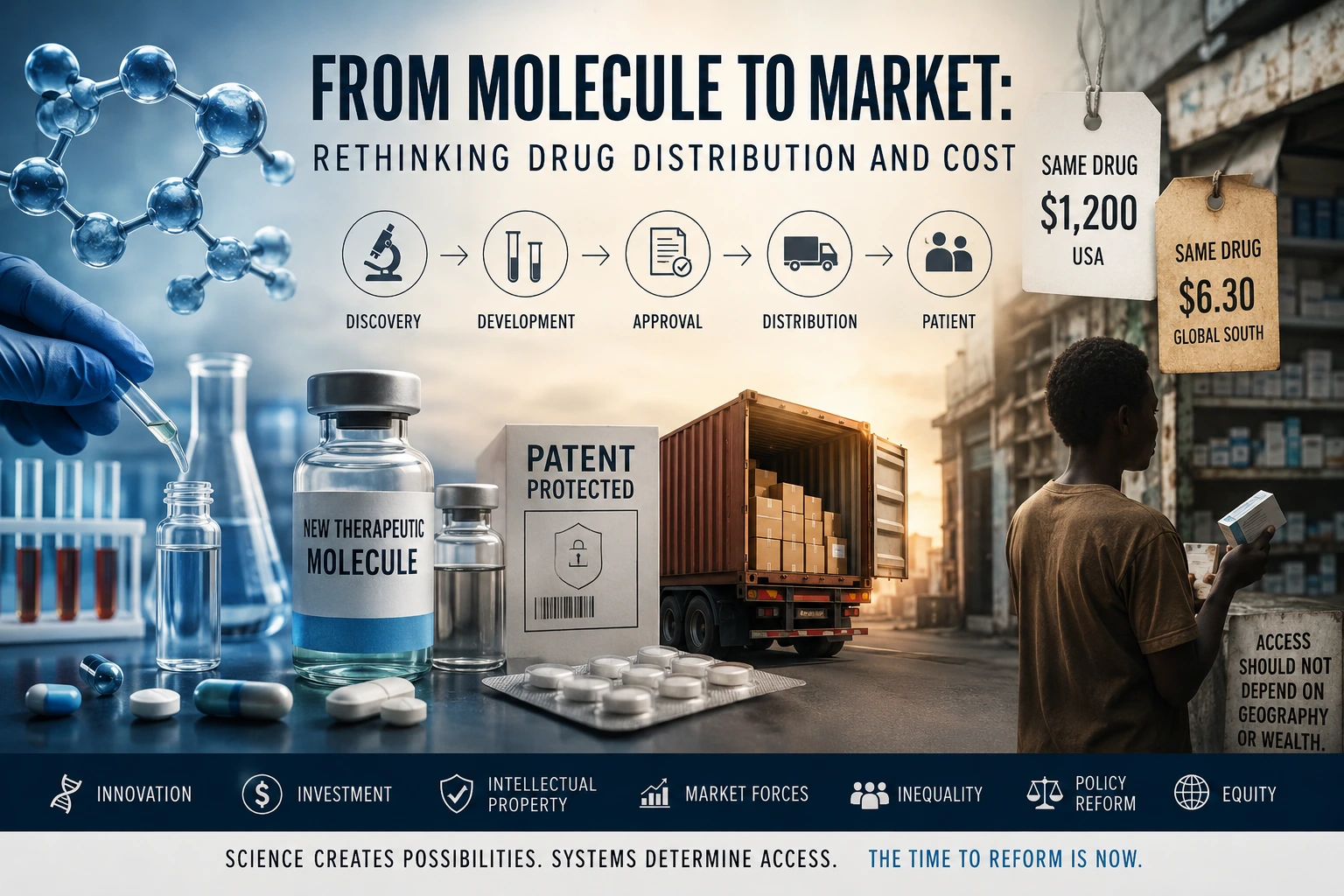
However, pharmaceutical investing also carries real risks. Developing new drugs is expensive and time-consuming, and many projects fail during clinical trials or never receive regulatory approval. The industry is heavily regulated, so changes in government policy or drug-pricing rules can quickly affect profitability. Patent expirations pose another challenge, since they open the door to generic competitors that often cause sharp declines in sales for once-successful drugs. Pharmaceutical companies also face regular scrutiny and political criticism over high drug prices, which can damage reputations and invite stricter regulation. For all these reasons, investors should carefully research individual companies, their drug pipelines, patent timelines, and regulatory exposure, before making investment decisions.
The boom of pharmaceutical stocks reflects the growing importance of healthcare in modern society. Innovation in biotechnology and AI, steady demand driven by aging and expanding populations, and new growth avenues in digital health all make the sector an appealing option for many investors. At the same time, the risks, from clinical trial failures to regulatory and patent pressures, are significant and shouldn't be overlooked. As healthcare continues to evolve, pharmaceutical companies are likely to remain a central part of both the global economy and the stock market for years to come.