Climate Justice and Governance: Who Should Pay for Environmental Damage?

After the extreme rainfall, homes, roads, and farmland with small communities get destroyed and left underwater. Families are struggling to recover, yet many of them have contributed very little to the pollution itself. Greenhouse gas emission is causing climate change to happen quicker. Around the world, similar situations are reoccurring as rising sea levels threaten coastal communities, droughts ruin the harvest of the crops, and pollution harms the neighborhoods near industrial areas. This raises an important question. Who should pay for the damage caused by climate change? The biggest victims are often those who contribute the least. This creates a difficult issue for fairness and responsibility known as climate justice.
Climate justice is the idea that climate change is not just an environmental issue, but also connected to economic inequality, human rights, development, and fairness between countries. This says that nations that contributed the most to global warming are not always the ones experiencing the consequences.
Industrialized countries expanded their economy through manufacturing and using fossil fuels over the past decades. They have insurance systems with advanced weather forecasting technology and enough public funding which can help them recover after each disaster. In contrast, developing countries had less contribution to historical emission but faced most of the serious climate risks with limited resources to assist them. They have struggled to restore basic services and provide food and shelter for the people. For this reason, climate justice challenges the idea that all countries should pay an equal share of climate-related costs. Instead, each country’s responsibility should take into account its historical emissions, current pollution levels, and ability to pay.
Wealthy industrialized countries have a strong reason to take on a large share of responsibility because of their contribution to greenhouse gas emissions. If low-income countries were expected to be responsible for the same amount as the others, they will have to take away their financial support from essential services like healthcare, and education, which would worsen their situation. Surprisingly, developing countries can strengthen environmental regulations, invest in renewable energy, and develop their industries in more sustainable ways. Also, some emerging economies that contributed relatively little in the past now produce a significant amount of greenhouse gases each year. This shows how the fair approach should consider both historical and current emissions along with the country’s financial capacity.
Responsibility should not fall on governments alone. Oil, gas, and coal companies have earned substantial profits from fossil fuel production while much of the damage is left for the public to deal with. The polluter-pays principle argues that those responsible for pollution should cover a reasonable share of the costs of addressing it. This should be applied through emission based charges, fossil fuel taxes, or legal action when the evidence and applicable laws support corporate liability. However, these measures should be carefully considered because companies may pass additional costs on to consumers, placing a greater burden on poorer households.
Climate finance should focus on three main areas. The areas are mitigation, adaptation, and loss and damage. Mitigation involves reducing greenhouse gas emissions through measures such as expanding renewable energy and protecting natural ecosystems. Adaptation focuses on helping communities prepare for climate impacts through measures such as flood defenses, early-warning systems, and drought-resistant crops. Loss and damage refers to the harm that can’t be fully prevented or reversed, including the permanent loss of homes, land, livelihoods, and cultural heritage.
The establishment of the fund for responding to loss and damage under the United Nations climate process was an important step toward supporting countries that are especially vulnerable to climate change. However, creating a fund doesn’t automatically mean that enough money will be available or that assistance will reach needed communities on time. Funding needs to match actual needs and be delivered without unnecessary delays. It is also important to distinguish international assistance from legal compensation. Contributing to climate funds does not establish legal responsibility for every climate-related disaster. Nevertheless, vulnerable communities need reliable financial support for losses that can’t be addressed through emissions reductions or adaptation measures alone.
Case Study: The 2022 Pakistan Floods
The devastating flood that struck Pakistan in 2022 provides a clear example of how disasters expose inequalities between countries. Exceptionally heavy monsoon rainfall caused widespread flooding, affecting approximately 33M people and killing more than 1700. Small communities and essential infrastructure were damaged or destroyed, leaving millions of people to face serious financial difficulties. A post-disaster assessment conducted by the Pakistan government and international partners, including the World Bank, estimated physical damage at $14.9B and economic losses at $15.2B. The cost of rehabilitation and resilient reconstruction was estimated at a minimum of $16.3B. These figures demonstrate how financially overwhelming recovery can be after a major disaster. (World Bank, 2022)
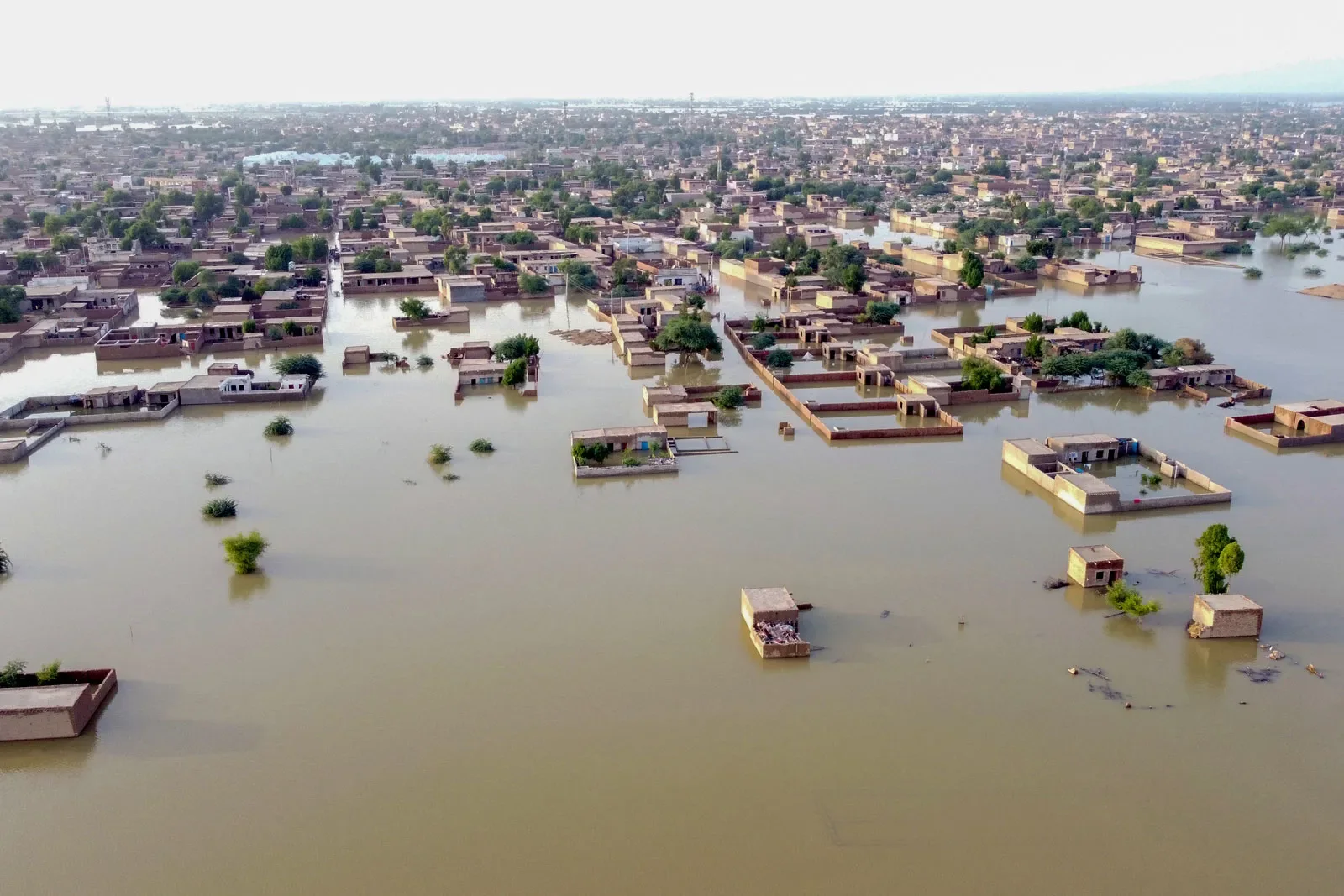
Pakistan has contributed a relatively small share of global greenhouse gas emissions, yet the floods caused enormous human suffering and economic damage. Climate change can intensify certain extreme rainfall events, increasing the risks faced by communities that are already vulnerable. Poorer households were among the harder hit because many had limited savings, little to no insurance with unsafe housing. The cost of rebuilding placed enormous pressure onto Pakistan’s financial resources. International organizations and donor governments provided assistance, but sadly money pledged is not always money delivered.
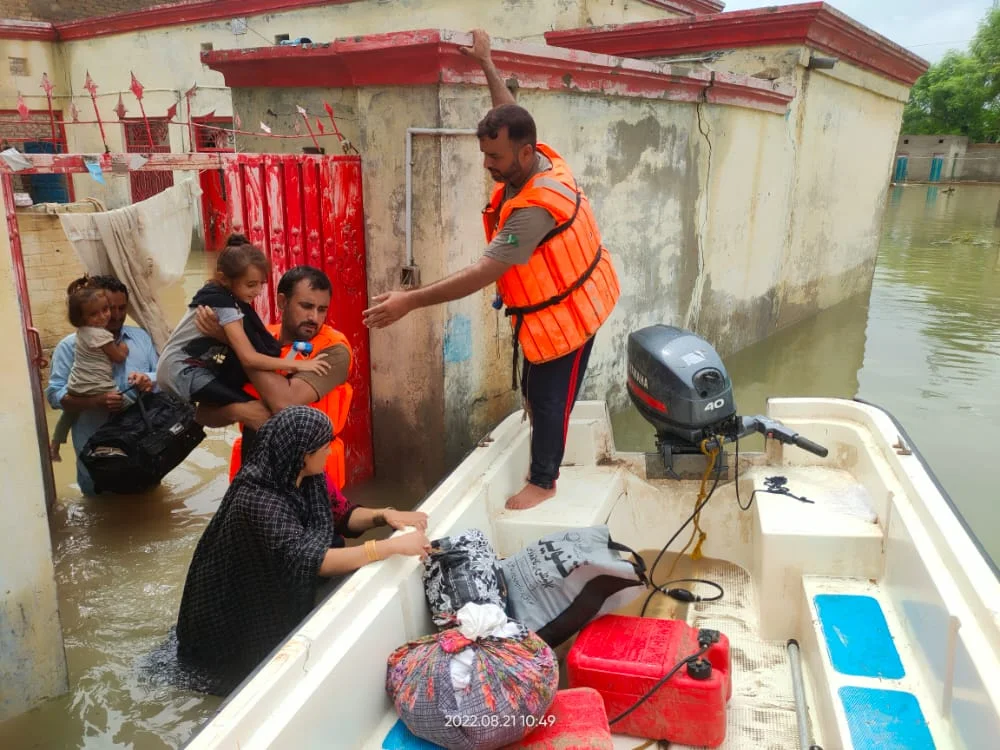
The Pakistan floods demonstrate the need for climate finance to extend beyond providing immediate emergency aid. In order to recover, the affected areas have to have stronger infrastructure, improved disaster preparedness, and long-term investment in local communities. It is up to Pakistan institutions to make sure that the money is used in a transparent and effective way, and international donors should honour their financial obligations. Help should also be given in a way that does not cause the country to take on even more unsustainable debt. Finally, the disaster brings out a key point about climate justice—that even though countries which have contributed a relatively small amount to global emissions can still end up with huge costs for recovery, fair international financial assistance is essential.
Even if governments come to agree that climate finance is necessary, the success of it will depend on the way in which the money is managed. Decisions have to be made regarding who gets the funding, how much support is given, and also how both the donors and the recipients are made accountable.
First, funding should be distributed on the basis of clear and transparent criteria, the criteria taking into account the severity of the damage, the vulnerability of the communities affected, and the resources available within the country to assist with recovery. This method would help to ensure that political influence does not become the main factor in determining who gets the assistance.
Second, independent audits, public spending reports, and easily accessible complaint procedures can contribute to a reduction in corruption and make sure that the money gets to those who need it. Yet the procedure for applying for financial assistance should not be so complicated as to prevent countries with limited administrative resources from being able to obtain the urgent support they need.
Local communities should as well take part in the decisions regarding how the funding is spent. Victims often have a better understanding of their own needs than the officials. They will be able to determine the most important things to develop. Accountability must also extend to international donors. Governments should make reports on how much money they promise, how much they actually deliver, and whether their contributions are made as loans or as grants. It is important to make this distinction since grants do not have to be repaid but loans can place additional financial strain on countries which are already having difficulty recovering from disasters. Grants are especially important for vulnerable nations since they can help with recovery without increasing their existing debt.
Climate justice requires financial responsibility to reflect data of historical emission, current pollution, and ability to pay for each country. The 2022 Pakistan floods demonstrated how countries that contribute relatively less can experience devastating losses and struggle to recover. Addressing this imbalance requires fair climate financing, transparent governance, and accountability from governments and corporations alike. Climate finance should not only depend on voluntary generosity, but should also move toward a system of shared fair responsibility. The communities who are most vulnerable to climate change should receive the support they need rather than being left to carry the heaviest burdens.