The Role of Microfinance in Alleviating Poverty in East Africa
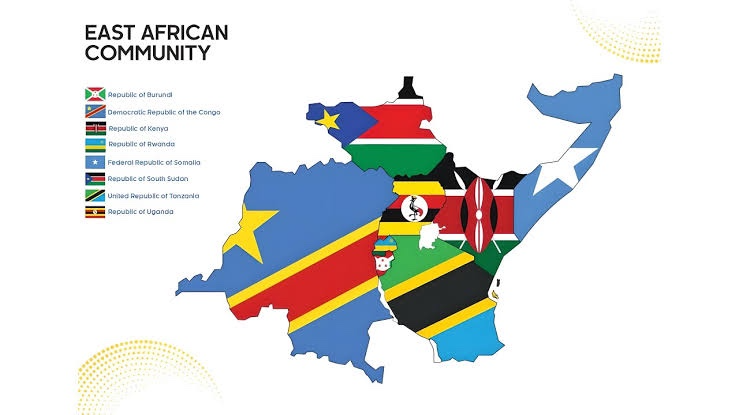
Microfinance has emerged as a vital tool in alleviating poverty across East Africa, where a significant portion of the population remains financially excluded. This region, which includes Kenya, Uganda, Tanzania, and Ethiopia, has seen a significant expansion of microfinance institutions (MFIs) over the past few decades. By offering small loans, savings accounts, and insurance to those traditionally excluded from formal banking systems, MFIs have empowered economically marginalized communities to improve their livelihoods, engage in productive activities, and lift themselves out of poverty.
Fostering Entrepreneurship for Economic Growth
Microfinance has played a key role in fostering entrepreneurship in East Africa. Small loans from MFIs enable individuals to start or expand small businesses, generating income and creating employment. This entrepreneurial growth stimulates local economies, benefiting not only the loan recipients but also the wider community.
In Kenya, the Kenya Women Microfinance Bank (KWFT) has been instrumental in supporting women entrepreneurs, particularly in agriculture, retail, and service sectors. KWFT’s focus on women has paid off, with over 800,000 women receiving loans, totaling KES 25 billion (USD 230 million), by 2022. These loans, averaging KES 30,000 (USD 280), have supported women in launching small-scale businesses, transforming their financial standing. With an impressive 95% repayment rate, KWFT demonstrates the effectiveness of microfinance in reducing poverty through entrepreneurship.
Agricultural Development and Food Security
In rural Uganda, where agriculture is the backbone of the economy, microfinance has provided the capital necessary for farmers to invest in improved seeds, fertilizers, and equipment. The resulting increase in agricultural productivity not only boosts incomes but also enhances food security in these regions, where formal credit access is limited.
MFIs like BRAC Uganda, which served over 1.2 million clients as of 2021, focus on agricultural loans designed to support smallholder farmers. By providing loans for seeds, fertilizers, and other inputs, BRAC has contributed to a 20% increase in crop yields among participating farmers, helping to stabilize food security in rural areas. The overall impact is evident in a reported 15% rise in household incomes within two years of receiving microloans.
Women’s Empowerment and Gender Equality
Women’s empowerment has been one of the most significant outcomes of microfinance in East Africa. In many parts of the region, women are excluded from formal financial systems, limiting their economic opportunities. MFIs such as KWFT in Kenya and BRAC Uganda have focused on empowering women by providing access to financial resources. These initiatives not only promote gender equality but also contribute to broader economic development. Empowered women reinvest their earnings in their families, particularly in their children's education and healthcare, breaking the cycle of poverty.
In Tanzania, microfinance programs have had a profound impact on women’s empowerment. Studies have shown that women who participate in these programs gain confidence and decision-making power within their households. This empowerment extends beyond the economic sphere, with women increasingly participating in community leadership roles, thereby enhancing social cohesion and fostering further development.
Improving Education and Healthcare
Microfinance also plays a crucial role in enhancing social development by improving access to education and healthcare. Financial resources from MFIs allow families to invest in their children's education, thereby increasing school enrollment rates. In Ethiopia, for instance, microfinance has directly contributed to higher enrollment rates as families use loans to cover school fees and related expenses. Access to healthcare has similarly improved, with MFIs offering health insurance products or loans specifically for medical costs. This has led to better health outcomes and increased human capital, which are essential for sustainable development.
In Rwanda, the Umurenge SACCOs, which operate in nearly every administrative sector, have had a profound impact on rural development. As of 2024, these SACCOs had 2.5 million members and had disbursed loans totaling RWF 30 billion (USD 30 million). These loans, primarily aimed at agriculture and small-scale enterprises, have improved access to education and healthcare in rural areas, further contributing to poverty reduction.
Challenges and Sustainability
Despite the successes, the microfinance sector in East Africa faces several challenges. High-interest rates charged by some MFIs have led to over-indebtedness among borrowers. In Kenya, for example, concerns have been raised about the sustainability of microfinance lending practices, with some borrowers falling into a debt trap by taking multiple loans to repay existing debts. This highlights the need for stronger regulatory frameworks to protect borrowers from predatory lending and ensure fair practices.
In addition to regulatory challenges, MFIs must balance their social mission with financial sustainability. Microfinance institutions need to cover operational costs while serving low-income populations. Innovative financial products, such as micro-savings and micro-insurance, are crucial for ensuring long-term sustainability. In Uganda, micro-insurance products have helped protect low-income families from unexpected risks like health emergencies and natural disasters, preventing them from slipping back into poverty.
The Role of Technology
Technology is transforming the microfinance landscape in East Africa, making financial services more accessible and efficient. Mobile banking platforms, such as Kenya’s M-PESA, have revolutionized financial transactions by allowing individuals to save, borrow, and transfer money using their mobile phones. This technology is particularly beneficial in rural areas, where physical banking infrastructure is limited. By reducing transaction costs and improving data management, mobile banking has increased the reach and effectiveness of MFIs across the region.
In Tanzania, VisionFund has leveraged mobile banking to serve over 250,000 clients, primarily in rural areas. VisionFund’s focus on rural and agricultural financing has led to a 25% increase in agricultural output within two years of receiving loans. The integration of mobile banking has reduced transaction costs and improved loan repayment rates, ensuring that microfinance continues to contribute to poverty alleviation.
Future Prospects
The future of microfinance in East Africa holds great promise, driven by advancements in technology that are enhancing financial inclusion. Mobile banking platforms will continue to lower transaction costs and extend services to underserved rural areas, while technologies like blockchain and artificial intelligence (AI) can help increase transparency, improve credit assessments, and reduce operational risks for MFIs. However, alongside technological innovations, sustainability remains a critical focus. As microfinance institutions scale, they must balance growth with the need to maintain low default rates and ensure responsible lending practices. Developing products like micro-insurance and micro-savings will be essential in helping vulnerable populations manage risks and avoid falling back into poverty.
Conclusion
Microfinance has proven to be an effective tool in the fight against poverty in East Africa. By fostering entrepreneurship, supporting agricultural development, empowering women, and enhancing access to education and healthcare, MFIs are helping to drive sustainable economic growth. However, to maximize its impact, the sector must address challenges such as high-interest rates, regulatory oversight, and the integration of technology. With the right policies and innovative practices, microfinance will continue to play a crucial role in reducing poverty and promoting development in East Africa.
References
- Kipesha, E. F., & Zhang, X. (2013). Sustainability, profitability, and outreach trade-offs: Evidence from microfinance institutions in East Africa. *European Journal of Business and Management*. Retrieved from [academia.edu](https://www.academia.edu/download/69832416/Sustainability_Profitability_and_Outreac20210917-9784-vxssgl.pdf)
- Dushime, J., Nakalembe, I., & Makuei, Y. (2022). Microfinance institutions as a vehicle for poverty eradication in developing countries: Evidence from the East African Community member states. *European Scientific Journal*. Retrieved from [ir-library.ku.ac.ke](https://ir-library.ku.ac.ke/bitstream/handle/123456789/25828/Microfinance%20Institutions%20as%20a%20Vehicle%20for%20Poverty....pdf?sequence=1)
- Habamenshi, V., & Uwubaha, G. (2024). Contribution of microfinance institutions to poverty reduction in Rwanda: A case study of SACCO Seruka/Gisenyi. *American Journal of Humanities and Social Sciences Research*. Retrieved from [ajhssr.com](https://www.ajhssr.com/wp-content/uploads/2024/07/ZE24807251265.pdf)