Service, Culture, and Growth: My Transformative Guatemala Experience
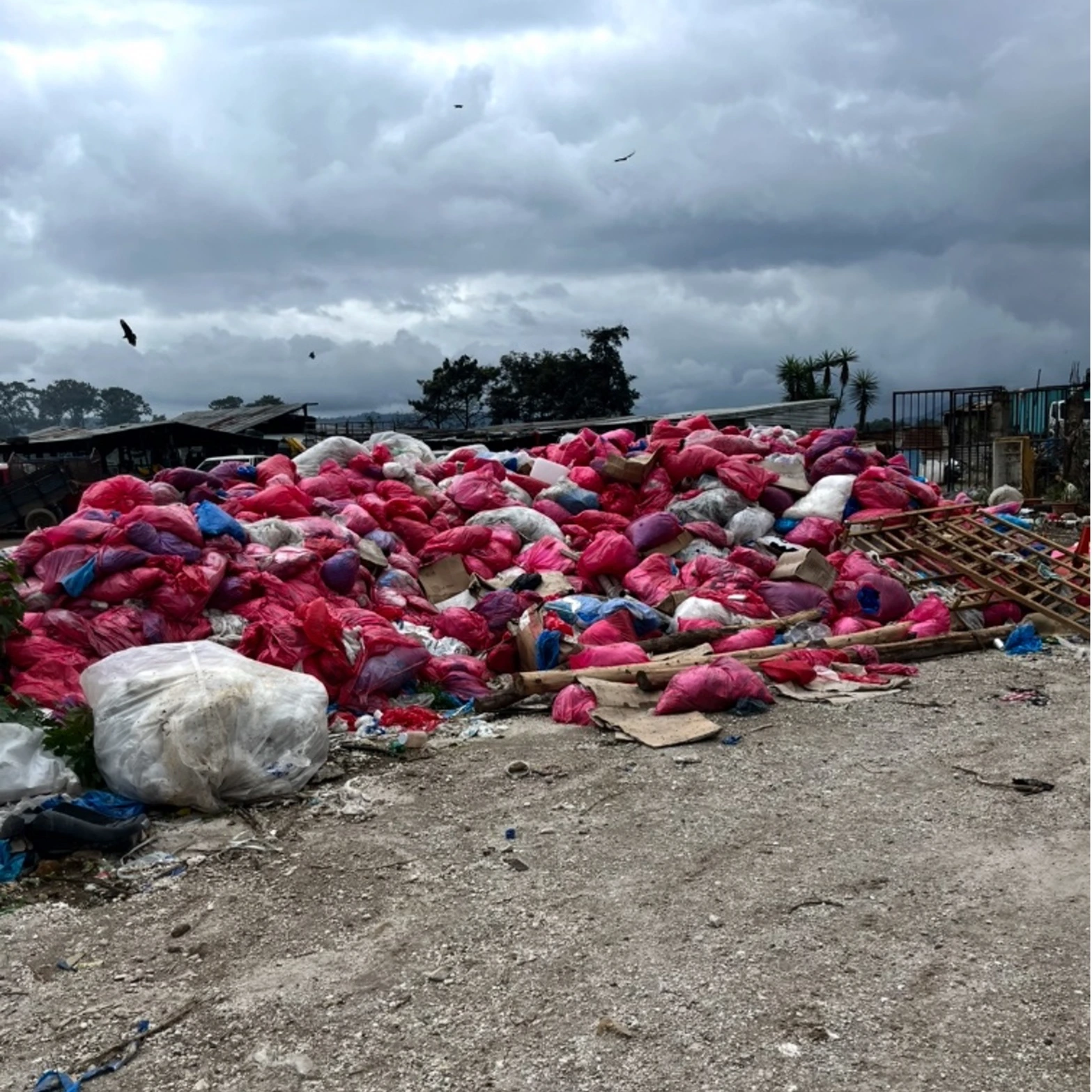
The strong scent of burning plastic filled the air as our van navigated potholed roads toward the so-called “trash village” in the outskirts of Guatemala City. Through the windows, I saw vultures circling above mountains of trash, while stray dogs nosed through bags leaking all sorts of wastes. Flies swarmed children playing barefoot as their laughter punctuated by coughs due to the toxic smoke from the trash piles. In that moment, watching many men sifting through the trash piles, the combination of environmental decay and human resilience left me simultaneously heartbroken and awestruck. This scene encapsulates Guatemala’s interconnected public health emergencies: nearly half of children under five endure chronic malnutrition, while marginalized communities in trash villages face respiratory illnesses from constant exposure to hazardous waste. To break this cycle, solutions must address both the environmental roots of disease and the systemic neglect of vulnerable populations through integrated policy reforms and community empowerment.
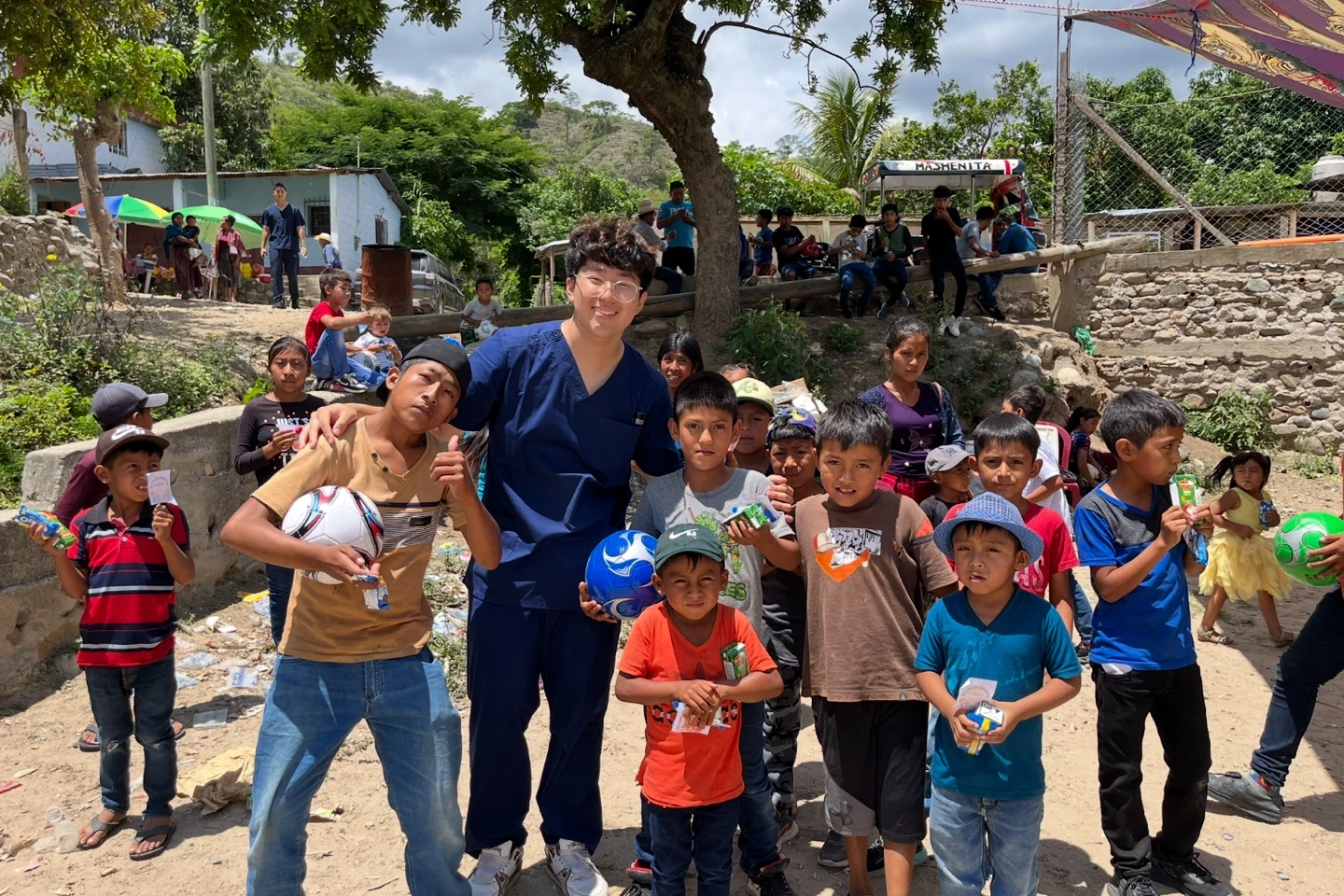
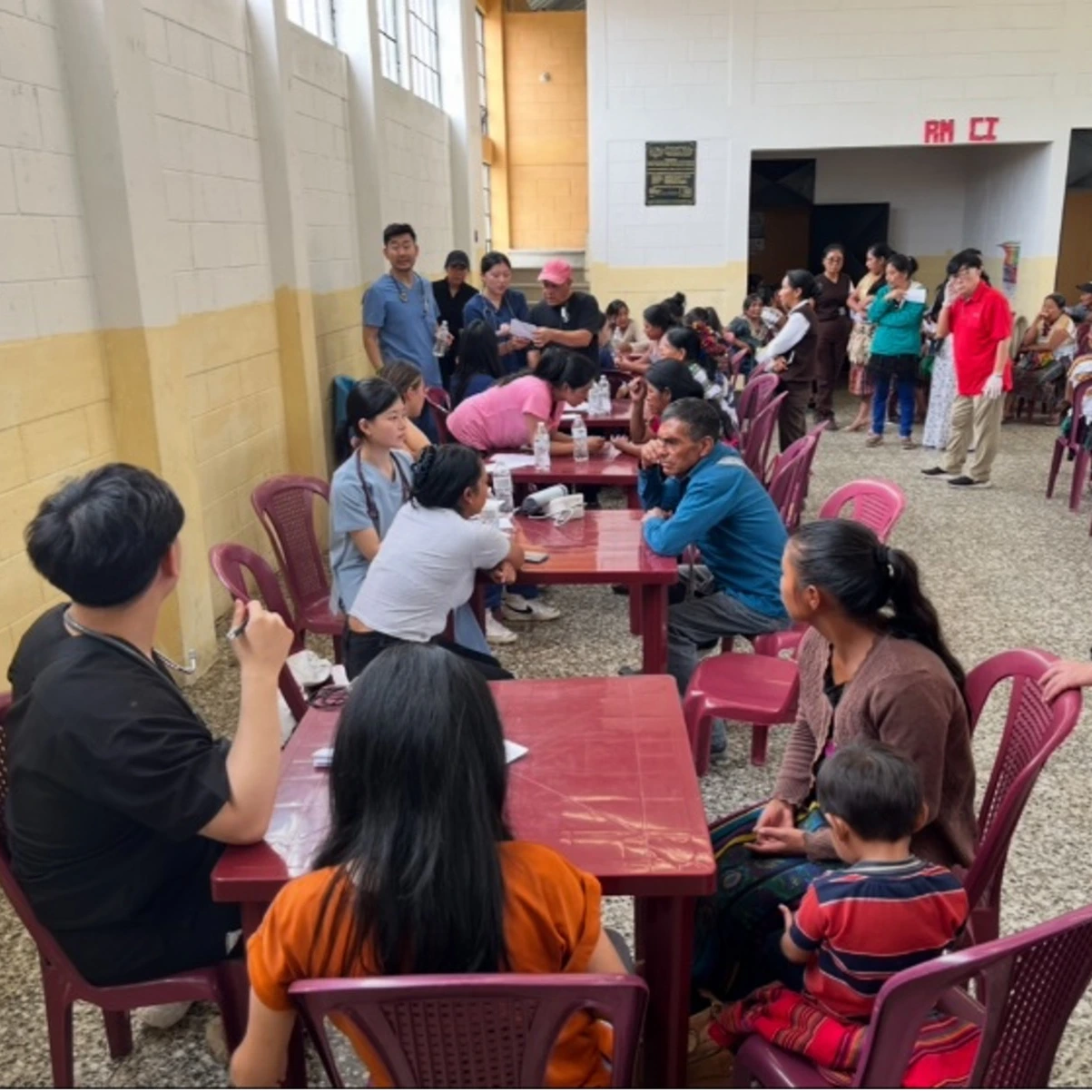
My service work in Guatemala immersed me in the heart of the country’s public health challenges, as I participated in both medical outreach and community support projects. At the trash village, our medical team set up temporary clinics where we prescribed over-the-counter medications for common ailments like stomach infections, which were widespread due to contaminated water, as well as respiratory illnesses caused by constant exposure to burning trash. We also provided basic dental care, extracting severely infected teeth for villagers who had rarely seen a dentist. Similar services were offered at a local church, where most patients were agricultural workers suffering from sun-related skin conditions and, in older adults, deteriorating eyesight. We also volunteered at an orphanage, where we took care of the children, teaching them simple English words, playing soccer with them, and helping distribute food supplies for them to take home. Each day brought new challenges like limited medical supplies, language barriers, and the emotional weight of witnessing such hardship. The most impactful moment for me was seeing the children of the trash village, barefoot and smiling, playing soccer among the piles of waste with the balls we had given out to them. Their joy, set against the harsh conditions, was a bittersweet reminder of both the resilience and vulnerability of Guatemala’s younger generation, illustrating the urgent need for comprehensive assistance and targeted interventions to address the country’s alarming public health crisis.
Cultural immersion in Guatemala offered lessons that were as profound as the service work itself, revealing the depth of the country’s traditions and the warmth of its people. One evening, after a long day at the clinic, I sat down with my fellow volunteers at a bustling local restaurant to sample traditional Guatemalan dishes like pepian and tamales, savoring flavors that reflected centuries of Mayan and Spanish influence. Later in the week, we visited the ancient ruins of Tikal National Park, where the towering temples and the echoes of history left me in awe of Guatemala’s rich cultural heritage. Perhaps the most memorable encounter came when a local social media influencer visited during our medical service at the local church. He live-streamed our work on Facebook, notifying the local community that they can get health care service for free at the church while passionately advocating for improved healthcare access across the country. Our conversation, bridging language and cultural barriers, underscored the power of local campaigns and the importance of community voices in driving change. I was continually surprised by the resilience and generosity of the Guatemalan people, who welcomed us into their lives despite their daily struggles. These experiences not only deepened my appreciation for their culture but also transformed my understanding of global health, reminding me that meaningful change begins with empathy, collaboration, and respect for local traditions.
My time in Guatemala marked a turning point in my personal growth, fundamentally reshaping my worldview and future aspirations. Although I had previously learned about the hardships faced by people in developing countries, witnessing the reality firsthand, such as the lack of basic healthcare, the daily struggle for clean water, and the perseverance of those living in the trash village left an unforgettable impression on me. I realized that statistics and news articles could never fully convey the depth of human suffering. This experience awakened a deeper sense of empathy within me, as I listened to the locals share their stories and learned to communicate across language and cultural barriers. I also developed greater resilience and adaptability, whether it was finding creative solutions when medical supplies ran low or comforting anxious patients, especially the kids getting their teeth removed. Most significantly, my time in Guatemala inspired a shift in my academic and career goals. Previously undecided between pursuing business or public health, I returned home with a determination to study public health policy, driven by the belief that sustainable change requires both advocacy and systemic reform. I am now committed to raising awareness about global health disparities and working toward solutions that empower communities like those I served. Ultimately, my experience in Guatemala not only broadened my perspective and taught me new skills, but also ignited a passion for service and advocacy that will guide my future path.
For students considering a similar service experience in Guatemala or elsewhere, there are invaluable lessons that extend beyond the immediate impact of their service. It is important to approach such work with a willingness to learn, recognizing that meaningful change comes from listening to and respecting the communities you hope to serve. Ethical service means prioritizing the needs and voices of local people, rather than imposing outside solutions, and being sensitive to cultural differences in everything from language to daily customs. My time in Guatemala taught me that small acts of kindness, whether sharing a meal, playing soccer with children, or simply offering a listening ear, can build trust as well as genuine connections. These lessons continue to shape my actions and attitudes back home, reminding me to advocate for equity, practice empathy in my daily life, and remain open to learning from others. Therefore, I encourage other selfless students to embrace these values not only during the service but also in daily life.
In reflecting on my transformative journey to Guatemala, I am reminded that true service is not a one-way act of giving, but a reciprocal exchange that challenges and enriches both the giver and the receiver. Wherever I go, the faces, stories, and spirit of the people I met continue to inspire me to pursue meaningful change that is rooted in empathy, humility, and collaboration. My experience showed me the urgent need for integrated solutions to global health challenges, but it also showed me the strength that communities possess even in the face of adversity. As I move forward, I carry with me not only the skills and insights gained, but also a renewed sense of purpose which is to advocate for those whose voices are often unheard, to approach every challenge with compassion, and to foster hope through action. Ultimately, my time in Guatemala was not just a chapter in my personal growth—it was a call to lifelong service and a testament to the power of human connection across borders.