Reframing Addiction: Why Patients Deserve Treatment, Not Prison

Addiction is a mental and behavioral disorder that causes compulsive substance use despite negative consequences. The medical community recognizes it as a substance use disorder (SUD), not a vice or lack of willpower but a public health issue that requires medical intervention and social support. But stigma still frames addiction as a criminal or moral issue and perpetuates harmful stereotypes and punitive policies like incarceration over treatment. These stigmas not only block access to evidence-based care but also exclude people who suffer from SUD from society and systemic barriers. To address the substance abuse crisis, we need to reframe addiction as a medical condition. By treating it through public health and compassion instead of criminalization, we can reduce harm and improve recovery outcomes rather than falling into the perpetual cycle of being criminated and relapsing back into old habits due to closed doors from society.
Addiction is now widely recognized by the scientific community as a chronic brain disorder, not a moral failing or a simple matter of choice. Research has shown that prolonged substance use fundamentally alters brain structure and function, particularly in areas critical for judgment, decision-making, learning, memory, and behavior control. These changes can persist for years after a person stops using drugs, explaining why individuals risk relapse even after long periods of being sober. The brain disease model of addiction is supported by neuroscientific evidence, including brain imaging studies that reveal observable changes in addicted individuals. Despite this scientific consensus, harmful misconceptions persist, such as the belief that addiction is a choice or only affects weak-willed individuals. These stigmatizing views contribute to punitive policies and create barriers to accessing effective treatment. It's crucial to understand that addiction develops due to complex interactions between genetic predisposition, environmental factors, and brain chemistry. Trauma, mental health issues, poverty, and lack of access to healthcare all play significant roles in the development of substance use disorders. For instance, in the Democratic Republic of Congo (DRC), where an estimated 73.5% of the population lived on less than $2.15 a day in 2024, poverty has fueled a growing drug addiction crisis. This harsh economic situation, paired with ongoing conflicts and limited access to healthcare and education, has created an environment where drug use and trafficking have become prevalent, particularly among vulnerable youth seeking escape from their harsh realities. By recognizing addiction as a medical condition rather than a moral failing, we can shift towards more compassionate and effective approaches to treatment and prevention.
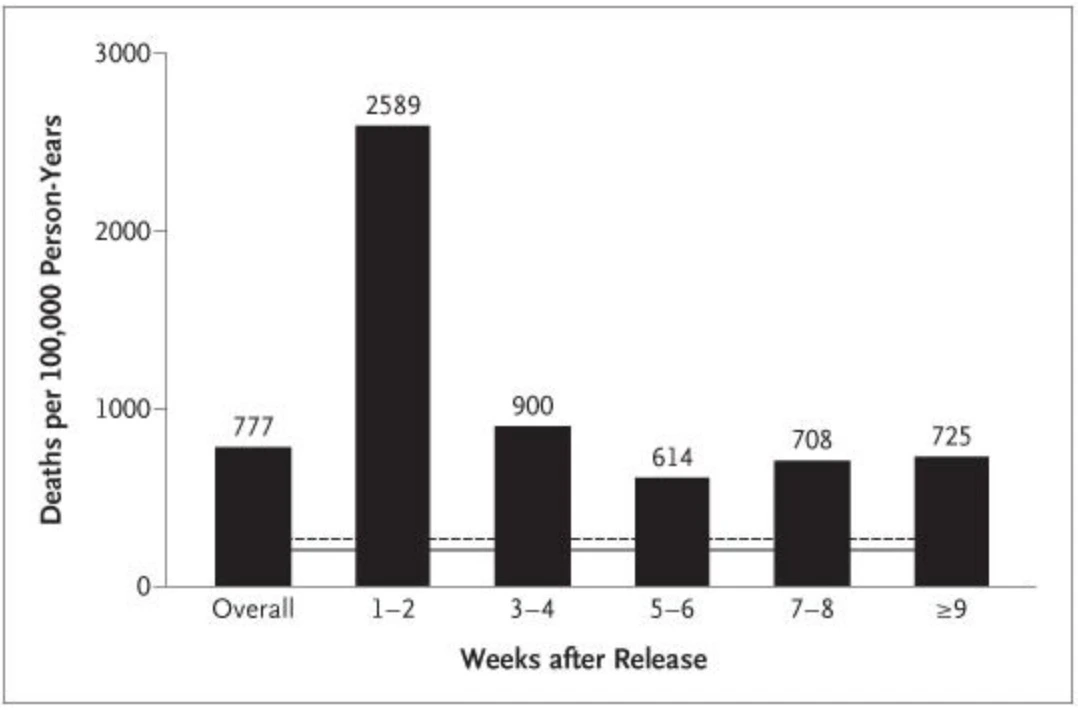
Most current legal systems handle the problem of substance abuse through criminalization, not treatment, and are thus caught in an ineffective cycle of arrests and incarcerations for individuals with addictive illnesses. Drug-related offenses remain among the leading causes of incarceration in the United States, which lead to full prisons and torn-apart families. This punitive approach fails to treat the root causes of addiction, aside from the stigmatizing effects that are discouraging to rehabilitation and reintegration into society. The "War on Drugs," initiated in the United States in 1971, exemplifies this approach, resulting in mass incarceration and disproportionately affecting minority communities, while failing to reduce drug use or trafficking. Similarly, a New England study in 2007 found that individuals released from prison were 40 times more likely to die within the first two weeks, with the majority of deaths attributed to drug overdose, particularly heroin. Further illustrating this danger, an Oregon study (2014-2018) revealed that among 18,258 individuals released from prison, 579 experienced opioid overdose events, with 65 being fatal. According to WHO, substance use disorders are health conditions that demand comprehensive treatment founded on evidence-based approaches rather than mere punishment. Addiction affects the brain and body in profound ways, often with symptoms like constipation, insomnia, and alterations in structure and function observable in the brain well before most people would acknowledge that they have a problem. Such physiological changes underlines that addiction is a health condition requiring medical treatment, not a moral failing deserving of criminal punishments. While continuous criminalization ignores the medical nature of the disorder and misses certain opportunities for treatment and harm reduction, most societies still continue the process.
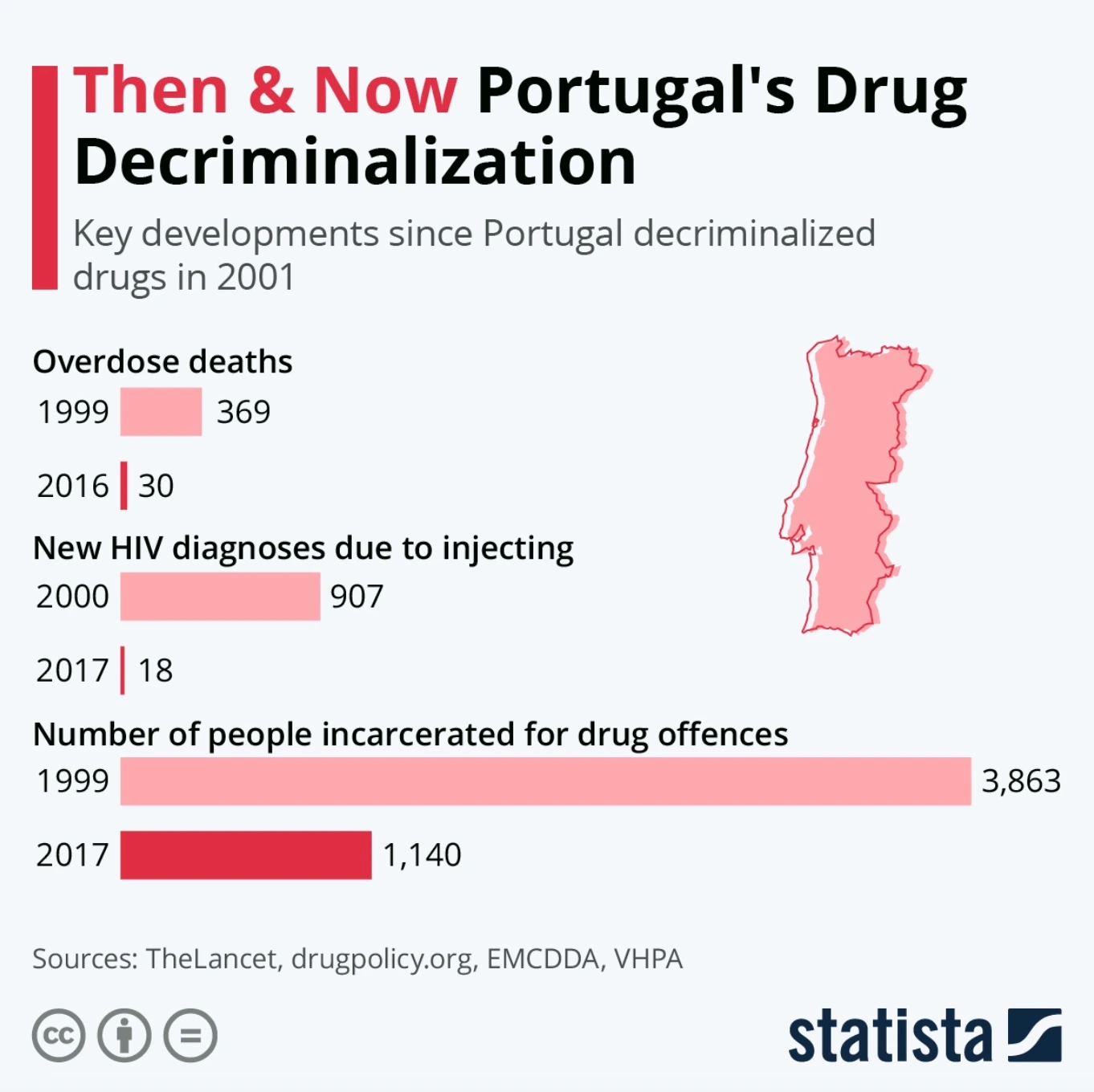
Treating addiction as a medical condition rather than a crime is crucial for addressing the substance abuse crisis effectively. This public health approach recognizes addiction as a chronic illness, similar to diabetes or heart disease, requiring ongoing medical care and support. Evidence-based treatments have shown significant promise in helping individuals with substance use disorders. Medication-Assisted Treatment (MAT) for opioid use disorder, for instance, combines medications like methadone or buprenorphine with counseling and behavioral therapies, effectively reducing opioid use and overdose deaths through blocking opioid receptor activation and easing withdrawal symptoms. Cognitive Behavioral Therapy (CBT) has also proven effective in treating various substance use disorders by helping individuals identify and change harmful thought patterns and behaviors. Harm reduction strategies, such as syringe service programs and safe consumption spaces, have demonstrated success in reducing the negative consequences associated with drug use. These programs not only prevent the spread of infectious diseases but also serve as crucial points of contact for connecting individuals to treatment and other essential services. For example, studies show that syringe service programs increase the percentage of people entering treatment and do not increase crime in areas where they are located. Success stories from countries that have adopted treatment-focused models further support this approach. In the late 1990s, Portugal was suffering a major drug crisis where one in every 100 people was addicted to heroin. As a solution, the Portuguese government decriminalized all types of drugs in 2001. Police still strived to arrest people committing drug-related crimes such as distribution, trafficking, or forming drug related gangs, but when encountered individuals consuming illegal substances, police helped them schedule meetings with counselors as well as establishing syringe service programs. This resulted in a huge success as annual cases of 369 overdose and 907 HIV dropped to 30 in 2016 and 18 in 2017, respectively. By shifting resources from punishment to treatment and harm reduction, Portugal has seen improved public health outcomes and decreased stigma surrounding addiction, demonstrating the potential benefits of prioritizing treatment over criminalization.
Adopting a treatment-focused model for addressing substance use disorders yields numerous benefits for individuals and society as a whole. Firstly, treatment programs significantly reduce crime and recidivism rates by addressing the root causes of addiction. For instance, a meta-analysis of 78 substance abuse treatment programs found an average 13 percent decline in criminal involvement as a result of treatment, highlighting the effectiveness of treatment in reducing criminal activity. This approach is not only more effective but also more cost-efficient than incarceration. While the average cost per inmate in the U.S. is over $33,000 per year, the cost of rehab averages around $5,000, making treatment a much more cost-effective choice. Furthermore, investing in healthcare saves money in the long run; a study found that medical costs decreased by 30% on average between the year prior to MAT and the third year following treatment. From a public health perspective, treating addiction reduces overdose deaths, infectious diseases, and other health complications. For example, research has shown that the use of MAT significantly reduces opioid-related deaths among overdose survivors. Specifically, methadone has been found to reduce opioid-related deaths by 59% and buprenorphine by 38% compared to non-use of MAT. Perhaps most importantly, a compassionate, treatment-focused approach helps restore dignity to individuals struggling with addiction. As Mike Gallagher, Clinic Director at Shoreline Recovery Center, notes, "Having dignity is about feeling valued and respected for who you are. When we have a sense of dignity, it boosts self-worth and confidence". By providing support, structure, and opportunities to rebuild their lives, treatment programs enable individuals to reunite with their families and become productive members of society, breaking the cycle of addiction and incarceration.
Critics of treatment-focused approaches often raise concerns about public safety and accountability, arguing that decriminalization may lead to increased drug use and crime. However, evidence from jurisdictions that have implemented such policies refutes these claims. A study published in September 2023 by NYU Langone found that drug decriminalization measures in Oregon and Washington not only reduced arrests but also did not increase overdose deaths in the first year after implementation. This research demonstrates that treatment-focused models can effectively address substance use disorders without compromising public safety. Furthermore, accountability can be maintained through court-mandated rehabilitation programs, which have proven to be as effective as, or more effective than, voluntary rehab for most people with substance use disorders. A study found that individuals who complete court-ordered rehab report 56% less drug use compared to 76% for those who did not receive treatment. This approach ensures that individuals are held responsible for their actions while prioritizing rehabilitation over punishment. Ultimately, a just society should focus on healing and rehabilitation rather than punitive measures. By offering treatment instead of incarceration, we can address the root causes of addiction, reduce recidivism, and promote long-term recovery, ultimately benefiting both individuals and communities.
As we move forward in addressing the substance abuse crisis, it is crucial to advocate for policy changes that prioritize treatment over punishment. The recent bill introduced in New York to decriminalize drug possession for personal use represents a significant step towards a more compassionate approach to addiction. This legislation, introduced in February 2025, aims to eliminate criminal and civil penalties for drug possession while creating a task force to study and recommend additional reforms, “with the stated goal of treating substance use disorder as a disease, rather than a criminal behavior.” Such policy changes can significantly reduce the stigma associated with addiction and increase access to treatment. Furthermore, community involvement plays a vital role in supporting individuals in recovery. Organizations like the Substance Abuse and Mental Health Services Administration (SAMHSA) are providing block grants to expand access to addiction services, including prevention programs and treatment for high-risk groups. As individuals, we can support these efforts by engaging with local recovery organizations, volunteering, and participating in community events that promote understanding and support for those struggling with addiction. By changing our mindsets and viewing addiction through a lens of empathy and understanding, we can contribute to a society that prioritizes healing over punishment. The gradual decrease in stigma around addiction, as noted in recent surveys showing younger generations are more likely to view addiction as a medical condition rather than a personal failing, demonstrates that change is possible. It is now our responsibility to build on this progress and create a more compassionate and effective approach to addressing substance use disorders.
In conclusion, addressing addiction as a medical condition rather than a moral failing or criminal behavior is essential for effectively combating the substance abuse crisis. Numerous studies have demonstrated that addiction is a chronic brain disorder influenced by genetic, environmental, and social factors, and that punitive approaches fail to address its root causes. By adopting evidence-based treatments, harm reduction strategies, and compassionate public health policies, we can reduce stigma, improve recovery outcomes, and foster societal reintegration. Reframing addiction through a lens of empathy and medical understanding not only aligns with scientific evidence but also offers a path toward healing individuals and strengthening communities.
References
- https://www.michiganmedicine.org/health-lab/science-says-addiction-chronic-disease-not-moral-failing
- https://www.hazeldenbettyford.org/research-studies/addiction-research/brain-disease-model
- https://www.worldbank.org/en/country/drc/overview
- https://www.nimh.nih.gov/health/topics/substance-use-and-mental-health
- https://www.unodc.org/documents/ungass2016/Contributions/Civil/Transform-Drug-Policy-Foundation/Drug-decriminalisation-in-Portugal.pdf
- https://www.nejm.org/doi/full/10.1056/NEJMsa064115
- https://stacks.cdc.gov/view/cdc/145946/cdc_145946_DS1.pdf
- https://www.psychiatry.org/patients-families/addiction-substance-use-disorders/what-is-a-substance-use-disorder
- https://psnet.ahrq.gov/perspective/harm-reduction-strategies-improve-safety-people-who-use-substances
- https://www.statista.com/chart/20616/key-developments-since-portugal-decriminalized-drugs/
- https://docs.iza.org/dp10208.pdf
- https://sanalake.com/addiction-resources/drug-treatment-vs-incarceration-2/
- https://www.medicaid.gov/medicaid/benefits/behavioral-health-services/substance-use-disorders/index.html
- https://pmc.ncbi.nlm.nih.gov/articles/PMC10519365/
- https://www.shorelinerecoverycenter.com/a-dose-of-dignity/
- https://nyulangone.org/news/decriminalizing-drug-possession-not-linked-higher-overdose-death-rates-oregon-or-washington
- https://americanaddictioncenters.org/rehab-guide/court-ordered-rehab
- https://www.nysenate.gov/legislation/bills/2025/S3600
- https://www.ikonrecoverycenters.org/top-7-grants-for-addiction-counseling-in-2025/
- https://www.flasprings.com/blog/is-stigma-around-addiction-getting-better-in-2025/