The Aftermath of Covid-19; Is the World Ready for the Next Pandemic?
The global crisis caused by COVID-19 revealed the shortcomings and strengths of our interconnected world, sparking profound changes in how societies understand and approach health, inequality, education, and innovation. As nations grappled with the immediate effects straining healthcare systems, widening social and economic divides, disrupting learning, and racing to develop lifesaving vaccines the crisis forced a consideration of our collective readiness for future pandemics. While the world has seen significant advances as well as painful setbacks across these critical domains, the true measure of progress lies in whether the lessons learned since 2020 will lead to more equitable, resilient, and effective responses when the next global health threat emerges.
The aftermath of COVID-19 revealed profound lessons for societies worldwide, particularly in how health systems, economies, and collective understanding were put to the test. Hospitals in many countries struggled under the weight of surging patient numbers, with images of overcrowded hallways and shortages of crucial supplies like masks and ventilators making headlines around the globe. Supply chains that once seemed robust broke down, leading to empty shelves and delayed shipments even for basic items like personal protective equipment (PPE). On the international stage, some countries sent medical teams and equipment to hard-hit areas, but cooperation often fell short as wealthier nations raced to secure vaccines for their own populations before sharing with others. Meanwhile, the language of public health became part of everyday conversation: people everywhere suddenly understood concepts like quarantine, variants, and social distancing. The pandemic’s impact was felt far beyond hospitals, as millions lost jobs or faced reduced hours, students endured school closures and the challenges of online learning, and mental health issues surged due to isolation and uncertainty. These experiences, both the setbacks and the breakthroughs, continue to shape the world’s approach to health crises and highlight the urgent need for lasting solutions.
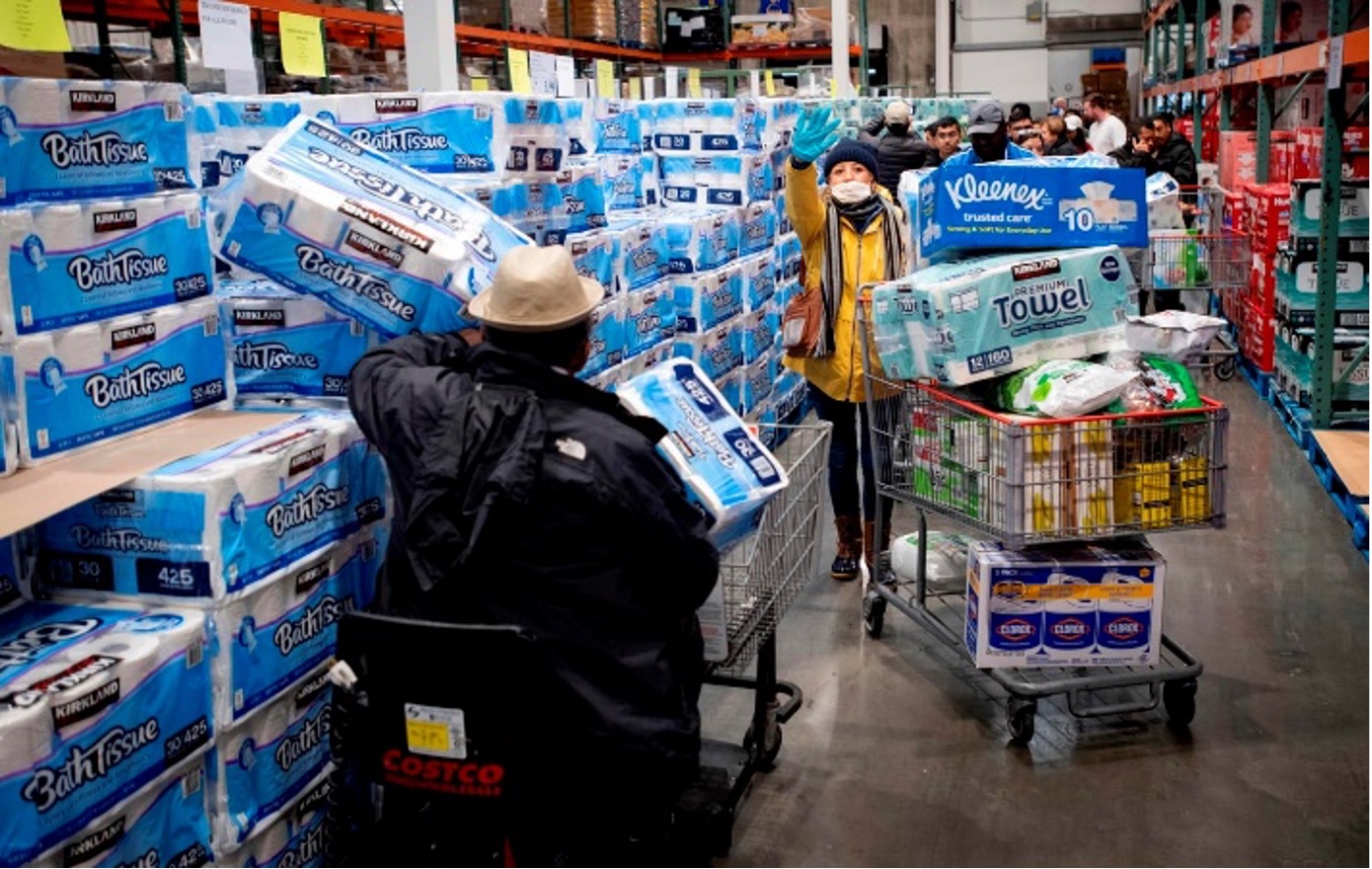
Since 2020, the world has made notable progress in pandemic preparedness, particularly in science, planning, and detection. The most transformative advance has been in vaccine development COVID 19 vaccines were produced in just 326 days from genomic sequencing to authorization, far faster than the traditional 5–10 years, and the 100 Days Mission now aims to cut this to just over three months for future threats, with mRNA platforms capable of producing vaccines in as little as seven days once the genetic code is known. Surveillance has also strengthened through initiatives like the WHO Hub for Pandemic and Epidemic Intelligence, now supporting over 150 Member States, and the Epidemic Intelligence from Open Sources (EIOS) network, which works with 103 countries and was instrumental in detecting early COVID 19 signals on December 31, 2019. Governments have expanded and formalized pandemic preparedness plans, while the Pandemic Fund has mobilized $885 million across 75 countries and leveraged another $6 billion for prevention and response efforts. Yet, serious weaknesses threaten readiness: during COVID 19, high income countries administered over 80% of all vaccine doses in the first seven months despite comprising only 16% of the global population, and more than half of pandemic deaths in low and middle income nations could have been prevented with equitable access. Misinformation also remains a major hazard—false COVID 19 claims in early 2020 were linked to roughly 6,000 hospitalizations and 800 deaths in just three months, with about half of Americans encountering fabricated information online. For instance, a rumor that the epidemic will lead to inefficient supply of toilet paper caused panic-buying and hoarding issues. These figures suggest that while technological capacity and planning have improved, the foundational issues of inequality, underinvestment, and public trust continue to undermine global readiness.
Despite the enormity of COVID 19’s impact, many of its most important lessons remain only partly implemented. Sustained investment in public health infrastructure and research is still insufficient: in the U.S., for example, only $1.4 billion is allocated to chronic disease prevention out of a $4.5 trillion healthcare budget, leaving the public health system under resourced for future crises. International cooperation and real time data sharing continues to lag, even though early warnings from systems like EIOS proved their value in detecting threats before they spread worldwide, and vaccine nationalism during COVID 19 slowed global containment. At the local level, community preparedness gaps remain while 95% of local health departments conduct emergency response activities, 76% rely on volunteers, limiting their ability to maintain long term readiness in sustained outbreaks. Misinformation also showed how fragile confidence in science can be; during COVID 19, conspiracy theories and false claims spread faster than official guidance, undermining mask use, vaccine uptake, and trust in authorities. Combating this requires improved public health communication, greater health literacy, and partnerships between governments, scientists, media, and technology platforms to rapidly identify and counter false narratives. Finally, the One Health approach addressing the links between human, animal, and environmental health must become standard practice, as climate change continues to expand the range of disease carrying vectors and increase the risk of zoonotic spillovers. Without committing both funding and political will to these lessons, the same inequities, delays, and missteps from COVID 19 could reappear in the next pandemic, potentially with even more severe consequences.
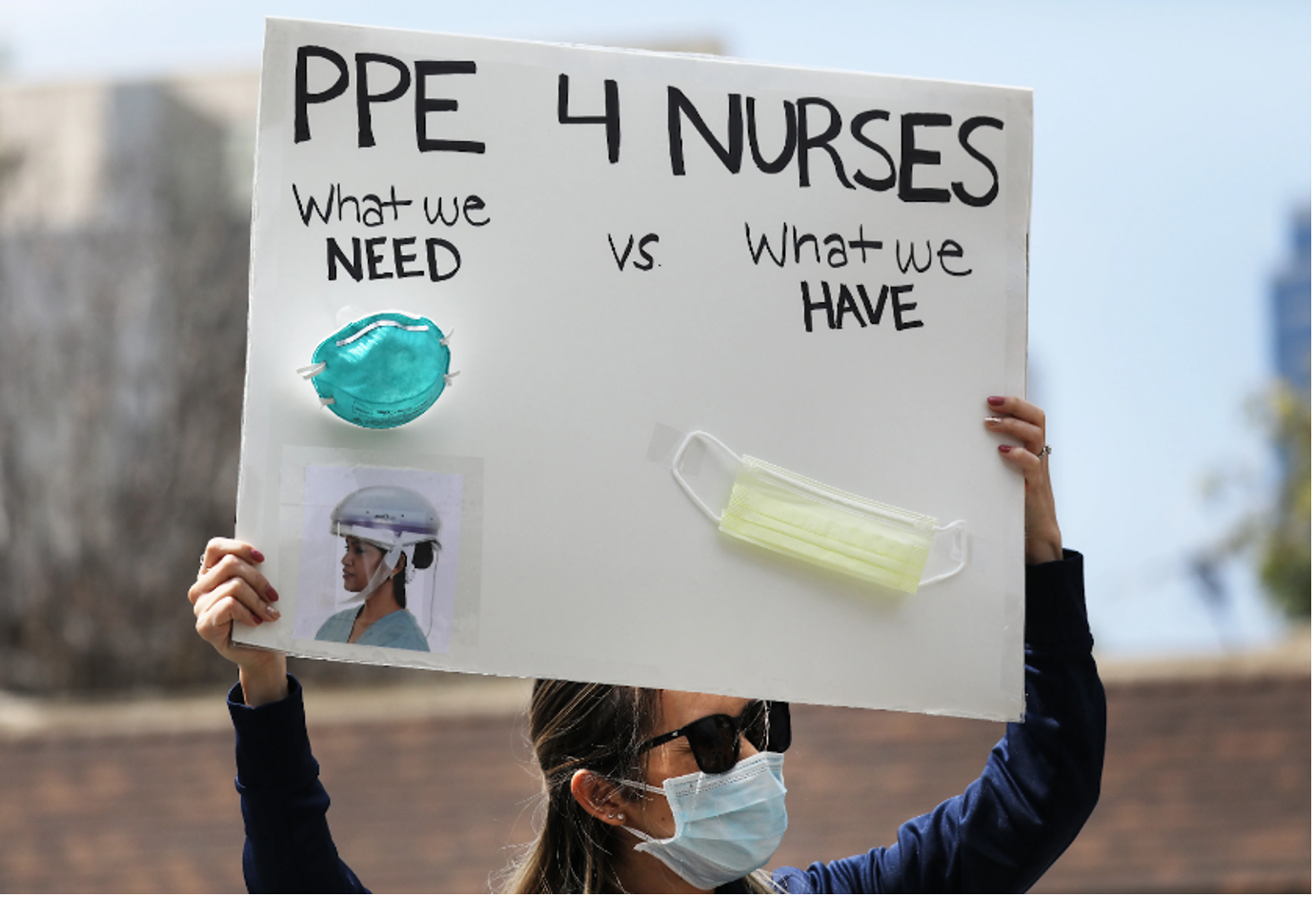
Moving forward, governments and individuals must take concrete, sustained action to build the resilience needed for future pandemics. National stockpiles of essential medical supplies remain critically important during COVID-19, the U.S. Strategic National Stockpile held only 13 million N95 masks when an estimated 3.5 billion were needed, and global PPE shortages led to healthcare workers reusing single-use equipment for weeks. Countries should maintain reserves of vaccines, antivirals, testing supplies, and protective equipment while establishing clear distribution protocols that prioritize equity and need over wealth and political influence. Public education represents another cornerstone of preparedness: citizens must understand basic health measures like proper handwashing, mask-wearing, and when to seek medical care, as studies show that regions with higher health literacy had better COVID-19 outcomes and compliance rates. The fair distribution of medical countermeasures cannot be left to market forces alone during COVID-19, the first 1 billion vaccine doses went to just 16% of the world's population, while many African countries had vaccination rates below 10% even two years into the pandemic. International mechanisms like advance purchase commitments, technology transfer agreements, and the proposed Pandemic Treaty must ensure that life-saving interventions reach all populations, not just the highest bidders. Perhaps most importantly, this responsibility extends beyond governments to every individual: we all have a role in staying informed through credible sources, following public health guidance even when inconvenient, supporting vulnerable community members, and rejecting misinformation that undermines collective safety. The next pandemic's impact will depend not just on scientific advances or government policies, but on millions of personal choices made by ordinary people who understand that their health and their neighbors' health are inseparably connected.
The COVID-19 pandemic fundamentally reshaped how the world understands health, vulnerability, and interdependence, leaving behind both devastating losses and valuable lessons that continue to influence global preparedness efforts. From overwhelmed hospitals and supply chain breakdowns to remarkable scientific breakthroughs and new forms of international cooperation, the crisis exposed both the fragility and resilience of human systems in ways that will be studied for generations. So, are we ready for the next pandemic? The honest answer is both more and less ready than before more ready because mRNA vaccines can now be developed in months rather than years, surveillance systems can detect threats earlier, and many governments have learned to take pandemic planning seriously; less ready because vaccine inequality persists, public health remains chronically underfunded in many regions, misinformation continues to erode trust in science, and the social and economic vulnerabilities that COVID-19 exploited have not been fully addressed. The path forward requires acknowledging that preparedness is not a destination but an ongoing commitment that demands sustained investment, international cooperation, and individual responsibility. If we keep learning from our mistakes, strengthening the systems that protect us all, and working together across borders and communities, we can face the next global health challenge not with the same vulnerabilities that made COVID-19 so devastating, but with the wisdom, tools, and solidarity needed to protect human life and dignity when crisis strikes again.