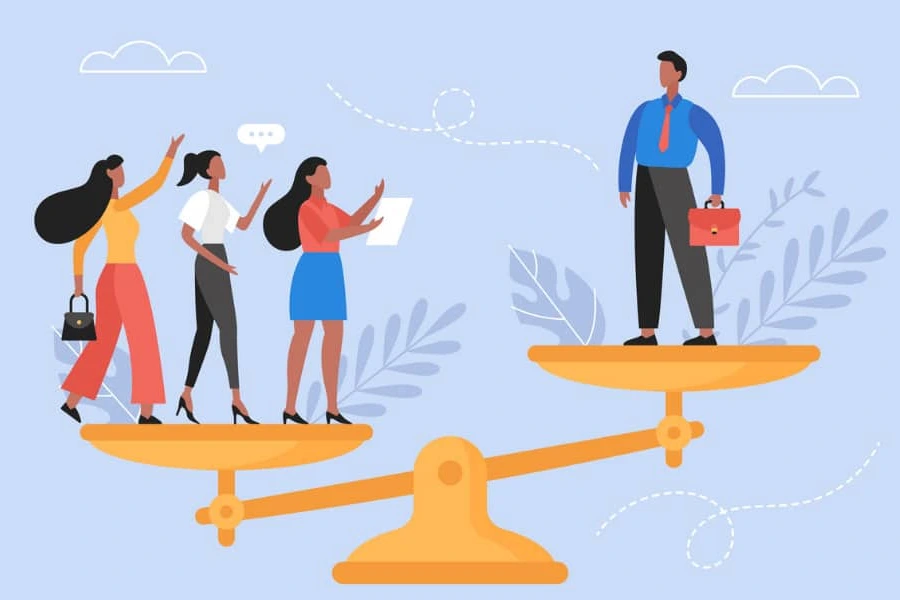
Accent Bias: The Silent Barrier to Equality
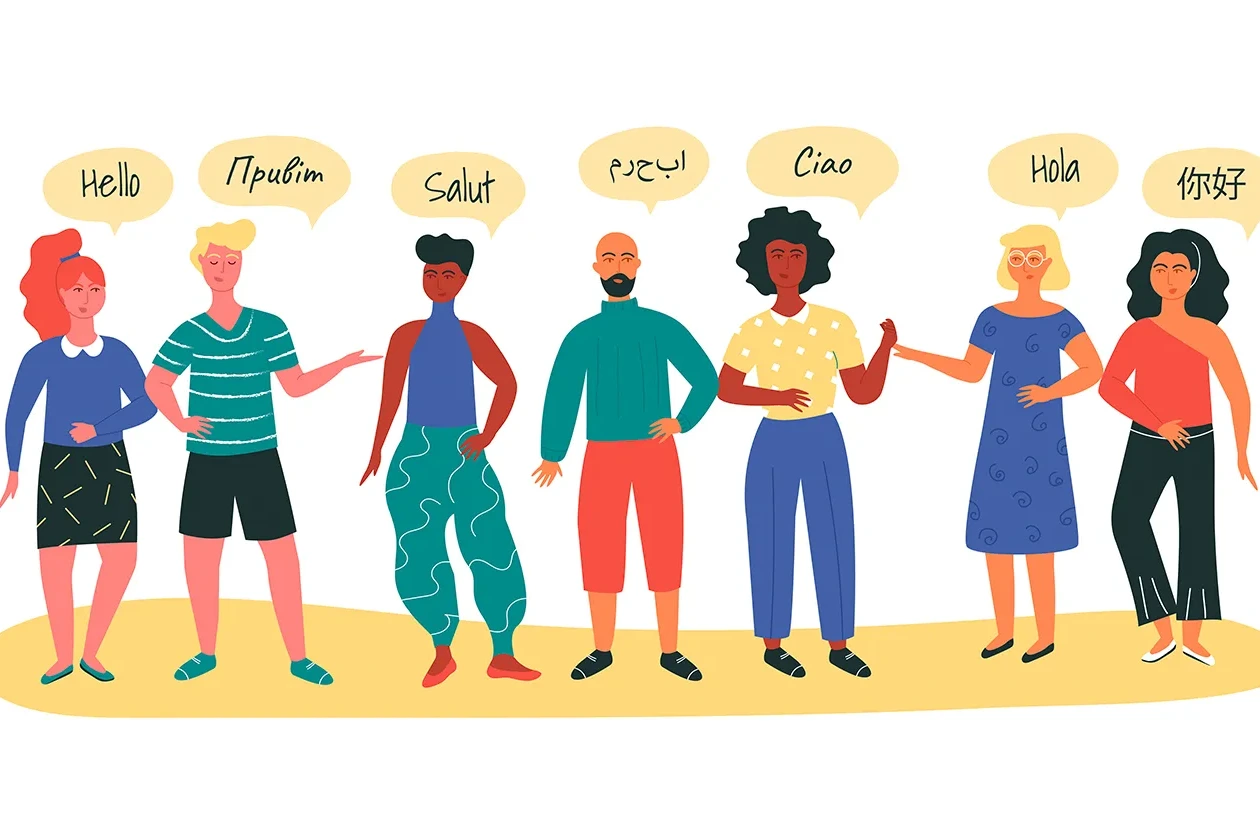
Accent bias is one of the most overlooked yet powerful forms of discrimination in modern society. It occurs when individuals are judged not by the content of their speech, but by the way they sound. This bias often operates unconsciously, yet it has profound consequences for education, employment, healthcare, and self-worth. Research has shown that accents can influence how ideas are received, how people are judged in interviews, and even how credibility is assigned in everyday conversations (Lev-Ari & Keysar, 2010).
Although accent bias is not always intentional, it is deeply rooted in stereotypes and misconceptions. People often misassociate certain accents with negative qualities such as lower intelligence, weaker communication skills, or lack of professionalism. These stereotypes exist both across countries and within them. In the United Kingdom, for example, regional accents are treated very differently: Yorkshire accents are often perceived as warm and trustworthy, while Birmingham accents are unfairly linked to lower intelligence, despite no scientific evidence supporting such claims (Coupland & Bishop, 2007). Similar patterns exist elsewhere. In the United States, Southern accents are sometimes stereotyped as “friendly but less educated,” while New York accents are associated with toughness and assertiveness. These judgments are cultural constructions, not reflections of actual ability.
Media and Cultural Reinforcement
Popular culture plays a significant role in shaping perceptions of accents. Movies frequently portray villains with British, German, or Slavic accents, cementing associations with menace and cruelty. This trope, sometimes referred to as the “bad guy accent,” has been used for decades in Hollywood, subtly teaching audiences to associate certain speech patterns with danger or immorality.
Celebrities also face pressure to conform. Milly Bobby Brown, Margot Robbie, and Hugh Laurie have all altered or concealed their natural accents to fit roles or industry expectations. Brown, for instance, adopted an American accent for her role in Stranger Things, while Robbie often suppresses her Australian accent in Hollywood productions. Laurie famously played Dr. Gregory House in House M.D. with a flawless American accent, leading many viewers to believe he was American until they saw interviews with him. These examples highlight how the entertainment industry rewards “neutral” or dominant accents, while marginalizing others.
Social media further amplifies these biases. Viral videos often mock or exaggerate accents, reinforcing stereotypes and shaping what audiences perceive as “professional” or “acceptable” speech. This cultural reinforcement makes accent bias harder to dismantle, as it becomes embedded in everyday humor and entertainment.
Education and Career Impact
The consequences of accent bias are particularly damaging in education and the workplace. In classrooms, students with strong regional or foreign accents may be excluded from speaking roles, reducing their confidence and participation. Teachers, often unconsciously, may assign presentation tasks to students with “clearer” accents, leaving others sidelined. This exclusion can lead to muted voices and lower career aspirations.
In workplaces, accent bias often surfaces during interviews, where first impressions are formed quickly. Employers may unconsciously associate certain accents with weaker communication skills or lower education levels. A study published in Harvard Business Review found that speakers with nonnative English accents often experience an “accent penalty,” receiving less attention and engagement even when their ideas are strong (Huang, Frideger, & Pearce, 2013). This penalty can translate into fewer promotions, less leadership responsibility, and diminished influence in meetings.
Accent bias also affects professional networking. Individuals with stigmatized accents may feel less confident speaking up in conferences or social events, limiting their opportunities to build connections. Over time, this can create systemic disadvantages, where equally qualified individuals are overlooked simply because of how they sound.
Accent Bias Beyond Work
The impact of accent bias extends beyond classrooms and offices. In healthcare, patients with strong accents may be perceived as less credible or harder to understand, leading to poorer communication and outcomes. Misunderstandings can delay diagnoses or reduce the quality of care. Studies have shown that doctors sometimes unconsciously rate patients with foreign accents as less reliable historians of their own symptoms, which can have serious consequences (Nguyen, 2018).
Accent bias also affects legal proceedings. Witnesses with strong accents may be perceived as less trustworthy, even when their testimony is accurate. This undermines fairness in justice systems that rely heavily on oral testimony.
Why Accent Bias Persists
Accent bias persists because accents are deeply tied to identity and social categorization. Humans naturally use speech patterns to infer background, education, and social class. While this instinct may have evolutionary roots in distinguishing in-groups from out-groups, in modern societies it leads to unfair judgments.
Psychological research shows that listeners process accented speech differently. Lev-Ari and Keysar (2010) found that people tend to rate statements made by nonnative speakers as less credible, even when the information is identical. This suggests that accent bias is not about comprehension, but about perception.
How to Reduce Accent Bias
Addressing accent bias requires conscious effort and systemic change. Schools can play a vital role by promoting awareness and educating students about the negative impacts of accent bias from an early age. Teaching children to value linguistic diversity helps shape more inclusive attitudes for the future.
Workplaces can implement training programs to help employees focus on content rather than delivery, ensuring that voices are heard for their ideas rather than silenced by prejudice. Managers should be trained to recognize unconscious bias in interviews and evaluations.
Media industries must embrace diverse voices to normalize different accents and challenge outdated stereotypes. Casting actors with authentic accents, rather than forcing them to adopt “neutral” ones, helps audiences appreciate linguistic diversity.
Healthcare providers can benefit from bias reduction strategies, such as communication training that emphasizes active listening and cultural sensitivity. Legal systems, too, should be aware of how accent bias can affect perceptions of credibility.
Ultimately, reducing accent bias requires shifting the focus from how something is said to what is being said. Accents are not barriers to intelligence or competence; they are markers of identity, culture, and heritage.
Conclusion
Accents are far more than speech patterns. They represent identity, culture, and heritage. Judging someone based on their accent is akin to judging a book by its cover: superficial and misleading. Tackling accent bias means dismantling stereotypes, valuing diversity in communication, and ensuring that voices are heard for their ideas, not silenced by prejudice.
Accent bias is not about clarity—it is about perception. Having an accent does not mean someone is unintelligible or less capable. In fact, linguistic diversity enriches communication, offering new perspectives and cultural depth. By recognizing and addressing accent bias, societies can move closer to genuine equality, where individuals are judged by their contributions rather than the way they sound.
References
- Lev-Ari, S., & Keysar, B. (2010). Why don’t we believe non-native speakers? The influence of accent on credibility. Journal of Experimental Social Psychology, 46(6), 1093–1096.
- Coupland, N., & Bishop, H. (2007). Ideologised values for British accents. Journal of Sociolinguistics, 11(1), 74–93.
- Huang, L., Frideger, M., & Pearce, J. (2013). The accent effect: Non-native accents and the evaluation of entrepreneurial pitches. Harvard Business Review.
- Nguyen, T. (2018). Accent bias in healthcare communication. Medical Communication Journal, 12(3), 45–59.