Where Are You Really From?”: What Kids Should Know About Asian American Identity and Prejudice
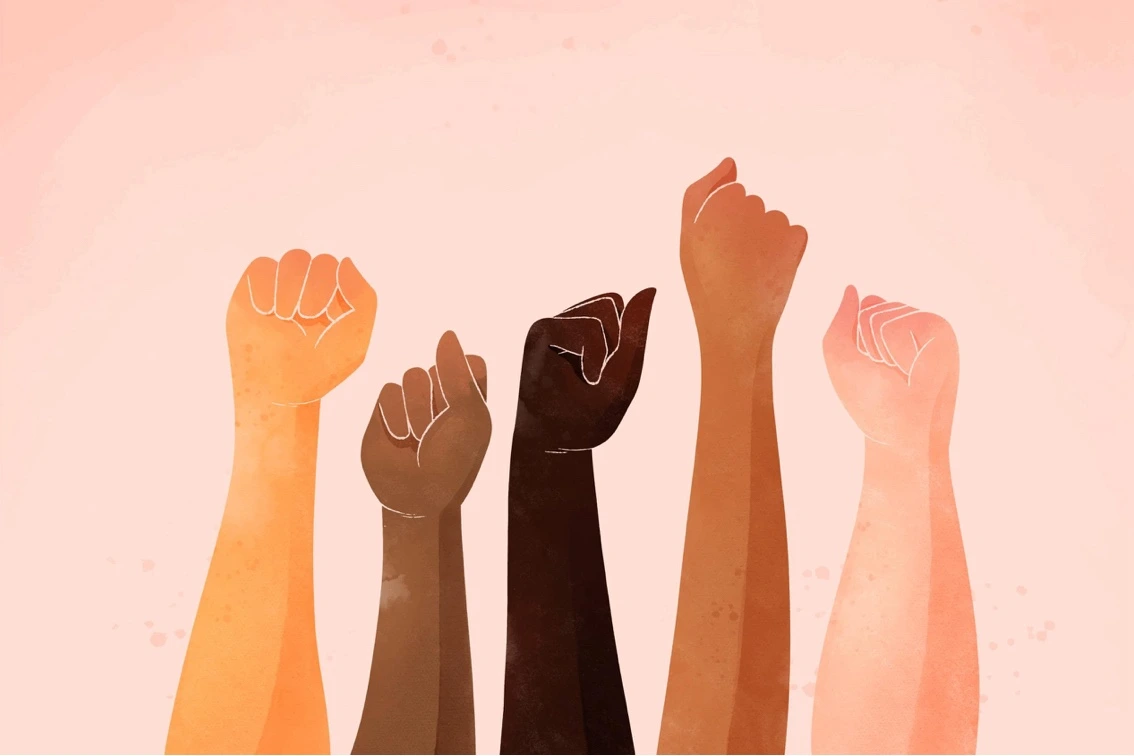
People are often judged differently by society based on their appearance. This can lead to misinterpretation, discrimination, and exposure to rude comments or insults. Sadly, such behavior has become so normalized that phrases like “Where are you really from?” or “You don’t look ___” are used without a second thought. These subtle remarks, known as microaggressions, are surprisingly common in everyday conversations. They often reflect prejudice against specific groups and stem from stereotypes about different races and ethnicities.
Microaggressions can leave kids wondering if they need to change themselves to fit in, for example, by shortening their names, hiding their culture, or pretending to be less “different.” This pressure can make children feel like belonging is conditional, based on whether they match someone else’s expectations.
Stereotypes are oversimplified beliefs about groups of people, often based on appearance or ethnicity. They lead to assumptions about behavior, talents, or intelligence. For example, many people mistakenly categorize all Asians as the same, ignoring the fact that Asia is home to hundreds of cultures, languages, and traditions. Prejudice, which refers to negative opinions about people based on identity, shows up in schools, workplaces, and even friendships. It can look like bullying, unfair hiring practices, or assuming someone’s abilities all of which block opportunities for those targeted.
There are many types of stereotypes: gender stereotypes, racial and ethnic stereotypes, stereotypes about sexuality, social class, ability, and age, to name a few. Each of these reduces people to labels instead of recognizing them as individuals. For example, age stereotypes paint young people as immature and older adults as incapable, while nationality stereotypes generalize entire countries based on a few experiences. When someone says, “Americans are rude” or assumes all people from one nation act a certain way, they are unfairly defining millions of people by one shallow impression. Instead of seeing food, culture, and history, people start to see only the stereotype.
Racism is a form of prejudice rooted in power and history. It discriminates against individuals because of their race or ethnicity, and its impact runs deep. Racism damages confidence, isolates people, and even blocks job opportunities based on false assumptions. Research shows its effects go beyond feelings — it can harm physical and mental health. A study published by the National Library of Medicine found that experiences of racism directly affect people’s health when reported at the same time, and even when reported earlier, the long-term effects still linger. The study also showed that the impact on mental health is consistent across age groups, meaning racism leaves scars that can last a lifetime.
That’s why understanding and respecting different cultures is so important. When we learn about one another’s histories and perspectives, we grow empathy and strengthen the truth that no one is superior to another. Part of this means being careful with our language. Just because a phrase is common does not mean it is harmless. We must think before we speak, and if we accidentally say something offensive, the right response is a sincere apology and a commitment to do better.
Equally important is speaking up when we witness prejudice. This can be difficult, but even small actions matter, like correcting a stereotype when a friend repeats it, or learning about the history of Asian Americans to better understand their experiences. By standing up for one another, we help build a society that is welcoming, fair, and respectful. At the heart of it all, kids should know this: you never have to change who you are to belong. Your culture, your identity, and your story matter and challenging prejudice is one step closer to making sure everyone else sees that too.