Dreams on Hold: The Unaffordability of UK housing
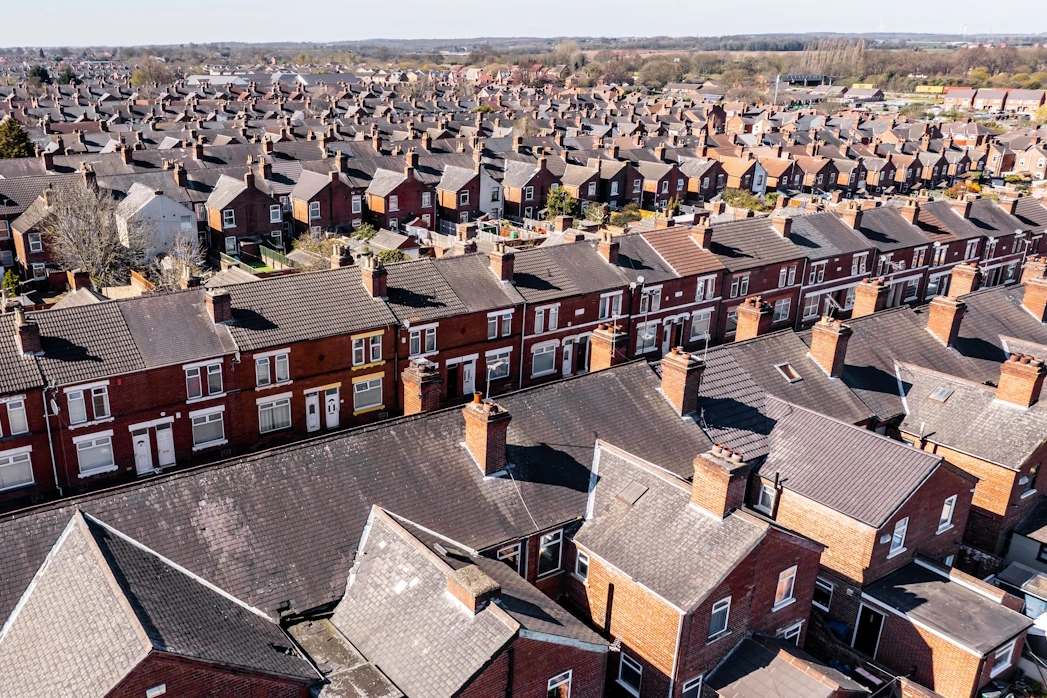
Homeownership has become a distant dream for many in the UK. For many, homeownership has been a sign of maturity, independence, and a symbol of stability. However, in recent years it has become increasingly harder, in 1997 the average price of a house was less than four times the median earnings, now it is almost eight times the median earnings: despite the fluctuations in the house prices in the UK, they have remained significantly high, caused by supply-demand side issues, speculative investment, and economic pressures. In major cities, such as London, slight dips in housing prices does little to help the majority of the population.
Overview of Housing Prices in major cities
The unaffordability of housing prices particularly affect the major cities the most. According to the UK House Pricing Index Summary: December 2024, the average price of a house in the UK is £268,000, and it grew roughly 4.5%. In comparison, the average price of houses in London is £548,939 and showed no growth. Despite the stagnation in the price of houses in London, houses in London still remain unaffordable to many, being double the price of the average house across the whole of the UK. Furthermore, despite the stability of the housing market in London, the rent prices have increased by a further 11%. This has significantly impacted many households as more than quarter are paying rent according to a survey from the London government.
Key factors contributing to the higher prices
One key factor contributing to the higher prices is high demand in the housing market, especially urban areas, and there not being enough supply. It is important to note that the previous conservative government’s manifesto stated that their goal was to build 300,000 houses per year; however, during the last 3 years, only 200,000-250,000 homes were created per year, despite the increase in population by 500,000. This shortage of houses is particularly severe in urban areas such as Manchester or London where the urbanisation and economic opportunities continue to encourage growth. Net migration into the UK has significantly increased as well over the last decade. Despite the decreasing trend in birth rates, the trend in immigration has continued to increase. This means that these new families would also have to buy new houses, which further spikes up the demand, and this trend will only continue; whereas, the new born babies would most likely already have housing from their parents.
Over the last decade, the UK has experienced historically low interest rates, especially before COVID. This meant that more people were able to buy houses using mortgages, and therefore more people entered the housing market.
Speculation has also played a key role in driving up house prices. Real estate in the UK, especially in urban areas such as London, have been considered as a stable high-return investment rather than being used for accommodation. Since there are many buyers and investors purchasing homes for profit rather than occupying, this reduces the availability of houses for first time buyers. In some areas up to 10% of homes are owned by foreign investors, and many are left vacant or underused. The investors may also ‘flip’ houses, meaning that they renovate the houses and sell them quickly, since the value of the house would appreciate with a renovation. This would drive up local prices further, causing gentrification and pushing out lower-income residents. With the consistent rise in rental prices of around 6.2% a year, rental properties remain a reliable investment.
Impact
For first time buyers, buying a house is now significantly more difficult. Rising housing prices make it harder to save for a down payment, and to pass the qualification for mortgages. The deposit requirements at 20% are a large amount, it is 110% of a typical full-time employee’s pre-tax income according to one source. This makes it difficult for first-time buyers to save enough money to afford a house, which can possibly force them to rely on their parents and this could increase inequality further.
Renters may also face problems, especially in London where the prices have risen. This can cause insecurity and uncertainty due to possible evictions. With a 6.2% rise in rental prices, if renters struggle to pay their rent, they may be forced to lower quality accommodations.
Young people may also be more dependent on their parents and their plans for the future may be delayed. In recent decades, most young adults now remain in rented accomodation or live with parents due to the high prices and high costs. The higher housing costs may decrease overall incomes and this may make the idea of starting a family less financially viable as well. Thus housing costs may influence the decisions about young peoples’ future plans in terms of starting a family, marriage, or even career opportunities.
Another impact of higher housing prices is that gentrification may happen and displace families. There may also be a rise in homelessness and temporary housing use alongside gentrification. In 2021,according to the ONS, there were around 13,955 people residing in hostels and temporary shelters in England and Wales, and this figure only represents a portion of the homeless population. Furthermore, these temporary houses are associated with insecurity as there were reported deaths in homeless individuals living in temporary accommodation according to the ONS.
Policy recommendations
The government can introduce a number of policies. One policy could be to subsidies housing or provide more government housing. This can be helpful in decreasing the housing prices or at least decrease the growth in prices as the supply would increase. Increased supply would mean that there would be sufficient supply for the quantity of houses demanded. Although council housing has become less popular in recent years, it was significantly important for boosting the UK housing industry post World War 2.
The government may reduce red tape, although it may be harder to reduce regulations on planning laws due to the government’s goal of being more ‘eco-friendly’, it is important to note that these regulations add a significant delay in developments. This may make it harder to create enough supply of housing to meet the demands.
Another policy that the government can do is implement stricter rules or tax regulations on house investors. Speculative investment leads to the increase in housing prices, as they increase demand for houses, while making those who need housing in less favourable positions. This is what Canada has done: they have banned foreign investors of homes until 2027.
Alternative housing models may also be used. One idea that has been proposed is co-housing, which is where residents share communal spaces such as kitchens, while still having private homes. This is because this would reduce the cost of making individual homes as companies may be able to make 5 kitchens for 10 people rather than 10 kitchens for 10 people each. This would also make more efficient use of space, and this may also increase the supply of housing as the cost of making one home may decrease with this model.
Conclusion
On the whole, the rising house prices is an economic and social crisis that is yet to be resolved. Despite the lack of growth in housing prices last year in major cities such as London, housing still remains a distant dream which threatens inequality; deepens insecurity for low income households and young families; and delays the milestone of owning a house. With the high housing prices caused by lack of supply for houses contrasted by high demand from immigration and speculative investment, this situation calls for action, possibly from the government. The government can increase housing supply through public investment, a decrease in red tape, or by incentivising alternative housing models such as co-housing. Without any change, the goal of owning a home may stay out of reach for the youth, and housing conditions may worsen which would decrease the quality of life for those in the UK.
References
- https://www.gov.uk/government/statistics/uk-house-price-index-for-december-2024/uk-house-price-index-summary-december-2024
- https://www.nationwidehousepriceindex.co.uk/reports/affordability-special-report-raising-a-deposit-still-the-biggest-hurdle-for-first-time-buyers-despite-affordability-becoming-more-stretched#:~:text=%E2%80%9COne%20of%20the%20consequences%20of,from%20102%25%20a%20year%20ago.
- https://tradingeconomics.com/united-kingdom/average-house-prices#:~:text=Average%20House%20Prices%20in%20the,GBP%20in%20January%20of%201983.