The Vital Role of Congress in Presidential Oversight: Lessons from the Impeachment of Donald Trump
Introduction
The impeachment of President Donald Trump in late 2019 and early 2020 marked a historic moment in American politics. Amid allegations of abuse of power and obstruction of Congress, the House of Representatives impeached the President, and the Senate ultimately acquitted him after a trial. While Trump's impeachment was a deeply divisive and partisan issue, it also shed light on the critical role that Congress plays in presidential oversight and accountability.
In a democratic system of government, it is essential that those in power are held accountable for their actions. Congress serves as a vital check on the executive branch, with the power to investigate and oversee the actions of the President and his administration. Through their actions during the impeachment process, Congress demonstrated the critical role they play in presidential oversight and accountability.
This paper will examine the role of Congress in presidential oversight, with a specific focus on the lessons learned from Trump's impeachment. First, the historical context of congressional oversight will be explored, followed by an analysis of the role Congress played in Trump's impeachment. The challenges of presidential oversight will also be discussed, with an emphasis on the limits of congressional power and the challenges of partisan polarization. Finally, the lessons learned from Trump's impeachment will be examined, and the implications for future presidential oversight will be discussed.
The Evolution of Congressional Oversight: From Founding Principles to Modern Practices
Congressional oversight has a rich history in American politics, with roots dating back to the earliest days of the country. The Constitution grants Congress the power of oversight through its ability to investigate and conduct hearings on any matter related to its legislative responsibilities. Over time, this power has evolved, expanding in scope and depth to keep up with the growth and complexity of the federal government.
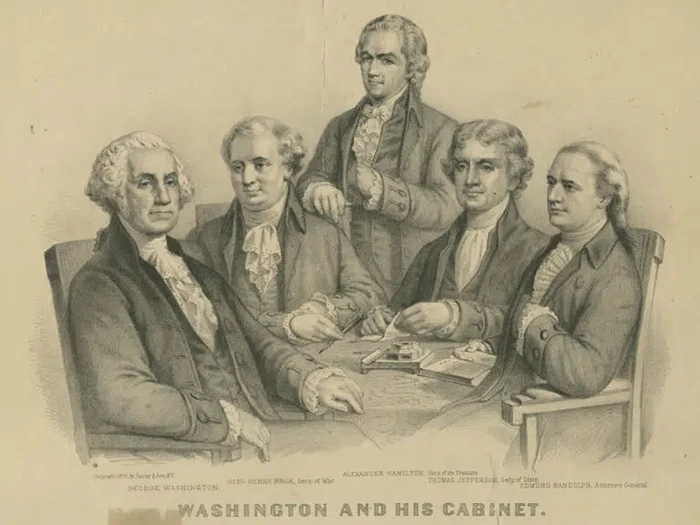
Source: Levin Center
During the early years of the republic, congressional oversight took the form of occasional, ad hoc investigations of executive branch activities. For example, in 1792, the House of Representatives held its first investigation of the executive branch when it examined the conduct of Secretary of the Treasury Alexander Hamilton. This changed in the late 19th and early 20th centuries, as Congress became more organized and institutionalized. The House and Senate created standing committees dedicated to overseeing different aspects of government activity, such as the judiciary, foreign affairs, and appropriations. These committees held hearings and conducted investigations to provide oversight of the executive branch.
The Importance of Oversight in Preserving the Separation of Powers
One of the key principles underlying the American system of government is the separation of powers. The Constitution divides power among the legislative, executive, and judicial branches to prevent any one branch from becoming too powerful. Congressional oversight plays a vital role in preserving this balance of power by providing a check on the executive branch.
Oversight allows Congress to ensure that the executive branch is acting in accordance with the law and the Constitution. By monitoring the activities of the executive branch, Congress can identify and correct abuses of power or violations of the law. Oversight also provides an important opportunity for the public to hold the executive branch accountable, ensuring that government officials are acting in the best interests of the American people.
For example, in 2019, the House Oversight and Reform Committee launched an investigation into the Trump administration's decision to add a citizenship question to the 2020 census. The committee argued that the administration had not provided a valid rationale for the question and that it would lead to an inaccurate count of the population. The investigation led to a series of court battles, with the Supreme Court ultimately ruling that the question could not be included on the census.
Perhaps the most critical role of congressional oversight is its ability to hold the executive branch accountable to the American people. As a co-equal branch of government, Congress has a responsibility to ensure that the executive branch is acting in the best interests of the American people. Oversight allows Congress to identify and address problems or concerns that might otherwise go unnoticed, providing a crucial mechanism for ensuring transparency and accountability.
In recent years, oversight has become increasingly important in light of concerns about government transparency and accountability. With the rise of social media and the 24-hour news cycle, public scrutiny of government activities has become more intense than ever before. Oversight provides an essential mechanism for ensuring that government officials are acting in the best interests of the American people and that the public can trust their government to act with integrity and accountability.
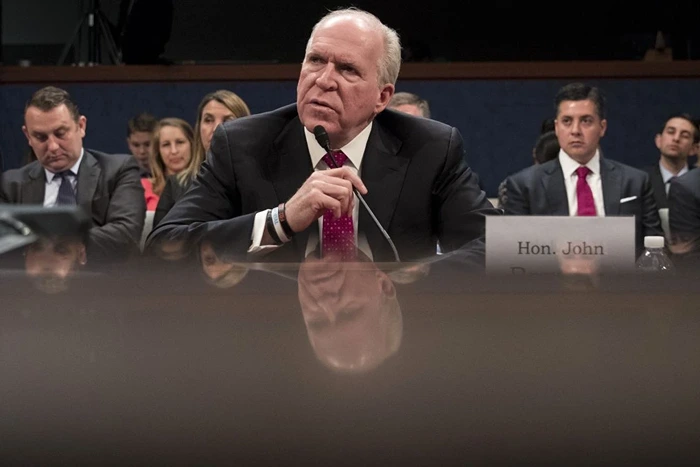
Source: CNN
For example, in 2017, the House Judiciary Committee launched an investigation into Russian interference in the 2016 presidential election. The investigation aimed to uncover the extent of Russian involvement in the election and any potential collusion between the Trump campaign and Russian officials. The investigation ultimately led to the indictment of several high-profile individuals, including former Trump campaign manager Paul Manafort and Trump's personal lawyer Michael Cohen.
The Role of Congress in Trump's Impeachment
In September 2019, a whistleblower filed a complaint with the intelligence community's inspector general, alleging that President Trump had abused the power of his office by pressuring Ukrainian President Volodymyr Zelensky to investigate his political rival, Joe Biden, and his son, Hunter Biden, in exchange for military aid and a White House meeting. Following this, the House of Representatives began an impeachment inquiry into Trump's conduct.
The House Intelligence Committee, led by Chairman Adam Schiff, conducted an extensive investigation into the allegations against Trump. The committee held public and private hearings and collected evidence from various witnesses, including current and former government officials, national security experts, and diplomats.
The investigation revealed that Trump had directed his personal attorney, Rudy Giuliani, and other officials to pressure the Ukrainian government to launch investigations that would benefit him politically. The investigation also revealed that Trump had withheld military aid to Ukraine as leverage to get Zelensky to announce these investigations.
The House Intelligence Committee's report, released in December 2019, found that "President Trump, personally and acting through agents within and outside of the U.S. government, solicited the interference of a foreign government, Ukraine, to benefit his reelection." The report also concluded that "President Trump placed his own personal and political interests above the national interests of the United States, sought to undermine the integrity of the U.S. presidential election process, and endangered U.S. national security."
The House Judiciary Committee then drafted two articles of impeachment against Trump: abuse of power and obstruction of Congress. The articles were based on the evidence collected during the House's investigation.
The Articles of Impeachment and the Impeachment Process in the House
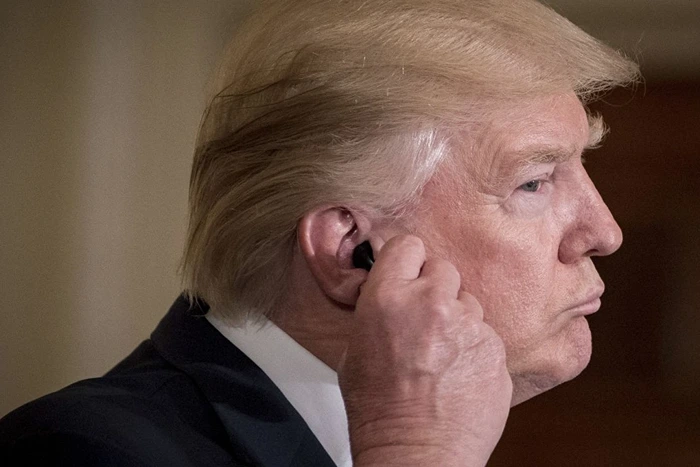
On December 10, 2019, the House Judiciary Committee introduced two articles of impeachment against President Trump: abuse of power and obstruction of Congress. The articles were based on the evidence collected during the House's investigation into Trump's conduct related to Ukraine.
The article of abuse of power accused Trump of "soliciting the interference of a foreign government, Ukraine, in the 2020 United States Presidential election" and "using the powers of his high office" to pressure Ukraine to announce an investigation into his political rival, Joe Biden. The article also stated that Trump "conditioned two official acts on the public announcement" of the investigation, including the release of military aid to Ukraine and a White House meeting with President Zelensky.
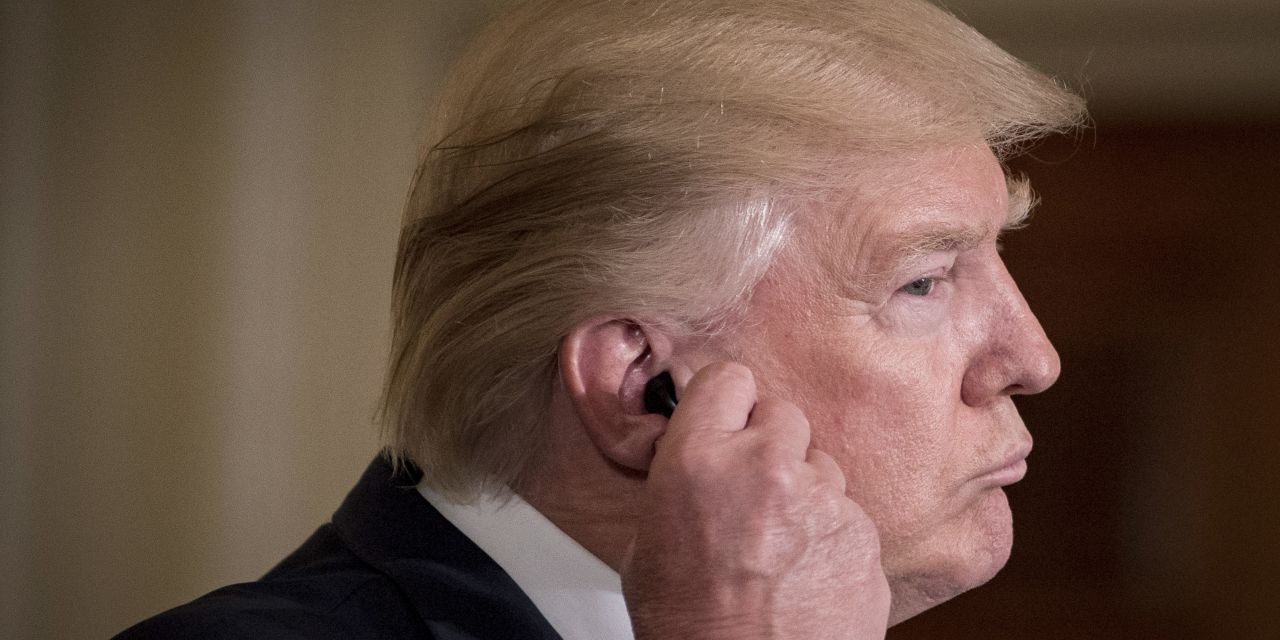
Source: Bloomberg in CNN
The article of obstruction of Congress accused Trump of "directing the unprecedented, categorical, and indiscriminate defiance of subpoenas" issued by the House of Representatives during its impeachment inquiry. The article argued that Trump's refusal to comply with the subpoenas deprived the House of important evidence and testimony relevant to its investigation.
The House of Representatives then debated and voted on the articles of impeachment. On December 18, 2019, the House voted 230-197 in favor of the first article of impeachment and 229-198 in favor of the second article of impeachment. The vote was largely along party lines, with only a handful of Democrats voting against the articles and no Republicans voting in favor.
The impeachment process in the House highlighted the importance of congressional oversight in holding the president accountable for his actions. The investigation and subsequent drafting of the articles of impeachment were based on evidence collected through rigorous oversight efforts by the House committees. The House's decision to impeach Trump demonstrates that the Constitution's separation of powers framework relies on Congress to act as a check on the executive branch when necessary.
The Senate Trial and Ultimate Acquittal
Source: VOA
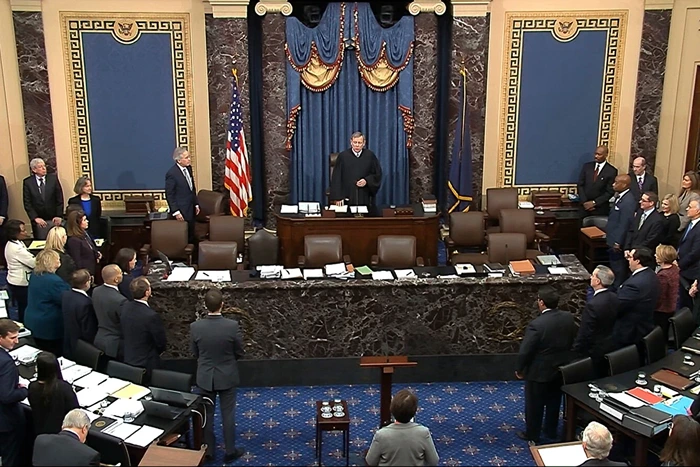
In January 2020, the Senate began a trial to determine whether to remove Trump from office. The trial was presided over by Chief Justice John Roberts, and the House impeachment managers presented their case against Trump. The defense team argued that the impeachment was politically motivated and that Trump's conduct did not rise to the level of an impeachable offense.
In February 2020, the Senate voted on the articles of impeachment. The first article, abuse of power, was voted on and failed to reach the necessary two-thirds majority for conviction. The second article, obstruction of Congress, was also voted on and failed to reach the necessary two-thirds majority. Trump was acquitted on both articles of impeachment.
The Senate trial was also marked by intense partisan debate and political maneuvering. Democrats argued that Trump's conduct was a serious abuse of power that warranted removal from office. Republicans argued that the evidence presented was insufficient to warrant removal and that the process was unfair and politically motivated.
The Limits of Congressional Power in Overseeing the Executive Branch
The Constitution grants Congress the power to oversee the executive branch, but this power is not absolute. One significant limit on Congress's oversight authority is executive privilege, which allows the president to withhold certain information from Congress. Executive privilege is typically invoked in matters related to national security or sensitive diplomatic negotiations.
In recent years, the use of executive privilege has been on the rise. During the Trump administration, the White House invoked executive privilege on several occasions to block Congress's access to information related to the Mueller investigation and other matters. For example, the White House directed former White House Counsel Don McGahn not to testify before the House Judiciary Committee in May 2019, citing executive privilege.
Moreover, the Supreme Court has recognized that the executive branch has certain inherent powers that may not be subject to congressional oversight. In United States v. Nixon (1974), the Court held that the president has a qualified privilege to withhold information from Congress in certain circumstances, such as when it would reveal confidential communications or impair national security.
Another limit on Congress's oversight authority is the separation of powers. The Constitution assigns different roles and responsibilities to each branch of government, and Congress cannot interfere with the president's ability to carry out their duties as head of the executive branch. As a result, Congress must balance its oversight responsibilities with the need to respect the president's legitimate exercise of power.
Despite these limits, Congress has several tools at its disposal to oversee the executive branch. For example, Congress can subpoena witnesses and documents, conduct hearings and investigations, and hold officials in contempt of Congress for failing to comply with their requests. While executive privilege may limit Congress's access to information, it is not an absolute bar, and courts have generally been reluctant to interfere with Congress's oversight authority.
The Challenges of Partisan Polarization and Political Pressure
Partisan polarization and political pressure are major challenges to effective congressional oversight. In recent years, Congress has become increasingly divided along partisan lines, making it more difficult to conduct objective oversight. Partisan polarization can lead to a lack of cooperation between Democrats and Republicans on congressional committees, which can hinder their ability to conduct effective oversight.
Moreover, political pressure from the president and his allies can also hamper congressional oversight. During the Trump administration, the president and his allies attacked congressional investigations as politically motivated and sought to obstruct them whenever possible. For example, the White House instructed witnesses not to cooperate with congressional investigations, and President Trump publicly criticized the impeachment inquiry as a "witch hunt."
Partisan polarization and political pressure can also affect the independence of the agencies responsible for oversight. The president appoints agency heads, and he can remove them at will. This can create pressure on agency heads to prioritize the president's political agenda over their oversight responsibilities. In addition, Congress can also exert political pressure on agencies through its control of agency budgets and personnel.
The consequences of partisan polarization and political pressure can be severe. If Congress is unable to conduct effective oversight, it can lead to abuses of power and undermine the constitutional system of checks and balances. Partisan polarization and political pressure can also erode public trust in government institutions and fuel political polarization.
To address these challenges, Congress must prioritize the independence of oversight agencies and ensure that they are not subject to political pressure from the president or Congress. Moreover, members of Congress must be willing to put aside their partisan differences and work together to conduct effective oversight. This requires a commitment to transparency, cooperation, and a shared understanding of the importance of congressional oversight in preserving the rule of law and protecting the Constitution.
The Potential Consequences of Failing to Exercise Proper Oversight
Failing to exercise proper oversight of the executive branch can have serious consequences for the functioning of government and the protection of constitutional norms. The consequences can be seen in the Trump administration's handling of various issues, including the response to Hurricane Maria in Puerto Rico, the administration's family separation policy at the southern border, and the handling of the COVID-19 pandemic.
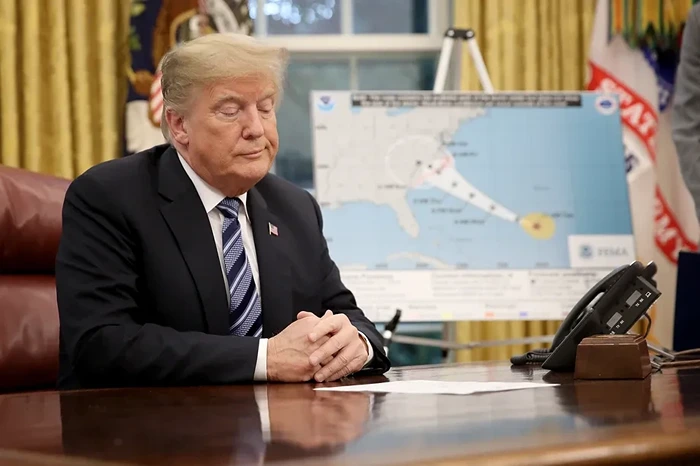
In the case of Hurricane Maria, the federal government's response was widely criticized as inadequate. Nearly 3,000 people died in the aftermath of the storm, and many blamed the Trump administration for failing to provide sufficient aid and support to the devastated island. The lack of effective oversight by Congress in the lead-up to the storm, as well as in its aftermath, may have contributed to the inadequate response.
Source: TIME
Similarly, the Trump administration's family separation policy at the southern border was widely condemned as cruel and inhumane. Children were separated from their parents and placed in detention centers, sometimes for extended periods of time. The policy was eventually rescinded, but not before it caused significant harm to children and their families. Congress's failure to conduct effective oversight of the policy may have contributed to its continuation and the harm it caused.
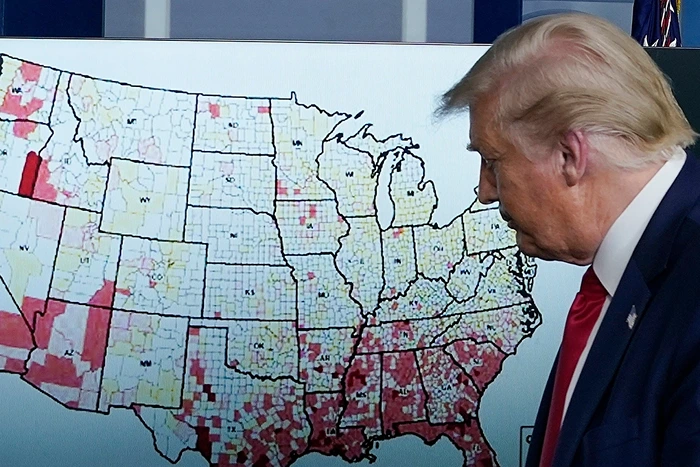
The handling of the COVID-19 pandemic is another example of the potential consequences of failing to exercise proper oversight. The Trump administration's response to the pandemic was widely criticized as inadequate and ineffective, and the country has suffered from high rates of infection and death as a result. Congressional oversight could have played a critical role in ensuring that the federal government was responding effectively to the crisis, but Congress failed to conduct effective oversight until much later in the pandemic.
Source: Getty Images in Pew Research Center
The consequences of failing to exercise proper oversight can be severe, including the erosion of public trust in government institutions, the undermining of constitutional norms and the rule of law, and the harm to vulnerable populations. Congress must prioritize effective oversight of the executive branch to ensure that the government is operating in the best interests of the American people and upholding constitutional values. This requires a commitment to transparency, accountability, and the protection of the separation of powers.
Lessons Learned from Trump's Impeachment
The impeachment of President Trump has brought to light several crucial lessons in congressional oversight. In the aftermath of the proceedings, it is important to reflect on the lessons learned and how they can be applied moving forward.
The importance of a thorough investigation and fact-finding process was highlighted during Trump's impeachment. The House of Representatives conducted a months-long investigation into Trump's conduct, including the use of his presidential powers to pressure Ukraine to investigate his political opponent, Joe Biden, and his son, Hunter. The investigation involved more than a dozen witnesses, including administration officials and diplomats, who testified in closed-door hearings and later in public hearings.
The inquiry was criticized by Republicans as being overly partisan and unfair, with some even calling it a "witch hunt." However, the investigation was praised by Democrats and legal experts for its thoroughness and its adherence to the rule of law. The investigation ultimately led to the drafting of two articles of impeachment against Trump: abuse of power and obstruction of Congress. These articles were passed by the House of Representatives in December 2019.
The importance of a thorough investigation and fact-finding process cannot be overstated. In any oversight effort, it is critical to gather as much information as possible in order to make informed decisions and take appropriate action. A lack of thoroughness in investigation can lead to incomplete or inaccurate findings, which can have serious consequences.
For example, in the case of the Trump impeachment, if the House had not conducted a thorough investigation, it may not have uncovered the extent of Trump's abuse of power in pressuring Ukraine to interfere in the 2020 election. This could have potentially resulted in Trump being reelected and continuing to abuse his presidential powers.
The Need for Bipartisanship and Cooperation in Oversight Efforts
The need for bipartisanship and cooperation in oversight efforts was highlighted during Trump's impeachment. The impeachment process in the House was initiated and conducted by Democrats, which led to criticism from Republicans, who argued that the investigation was politically motivated. This resulted in a lack of cooperation from Republicans in the House, who refused to call witnesses or provide documents.
The Senate trial was also marked by partisan polarization, with no Republican senators voting to convict Trump. This lack of bipartisanship and cooperation in the impeachment process not only undermined its legitimacy but also prevented the full investigation of Trump's conduct.
In contrast, the Watergate scandal investigation, which led to the resignation of President Nixon, was conducted in a bipartisan manner. The Senate Watergate Committee was made up of an equal number of Democrats and Republicans, and its chairman, Senator Sam Ervin, was a Democrat who was respected by both parties. The investigation was conducted in a thorough and bipartisan manner, with both parties working together to uncover the facts.
This shows that the need for bipartisanship and cooperation in oversight efforts cannot be overemphasized. When oversight is conducted in a partisan manner, it risks being seen as politically motivated, which undermines its legitimacy and effectiveness. A bipartisan approach ensures that oversight efforts are seen as legitimate and unbiased, which increases their effectiveness in holding the executive branch accountable.
The Significance of Upholding Constitutional Values and Principles
The significance of upholding Constitutional values and principles cannot be overstated in the context of Trump's impeachment. During the House's investigation, it was revealed that Trump had solicited interference from a foreign government in the U.S. election, which went against the fundamental principles of democracy and the Constitution. The articles of impeachment against Trump were based on these Constitutional violations, including abuse of power and obstruction of Congress.
Moreover, during the Senate trial, it became clear that partisan politics played a significant role in the decision-making process. While the House voted to impeach Trump along party lines, the Senate voted to acquit him, with only one Republican senator voting to convict. This partisan divide underscores the need for bipartisanship and cooperation in oversight efforts.
Furthermore, the impeachment proceedings also highlighted the importance of preserving the independence of the judiciary and ensuring that the executive branch does not undermine its authority. In the case of Trump's impeachment, the President's refusal to comply with congressional subpoenas and attempts to block witnesses from testifying raised concerns about executive overreach and its impact on the balance of powers.
Conclusion
Throughout Trump's impeachment, Congress played a vital role in presidential oversight by investigating the President's conduct, drafting articles of impeachment, and conducting a Senate trial. The historical context of congressional oversight reveals its evolution over time and its importance in preserving the separation of powers and holding the executive branch accountable. The lessons learned from Trump's impeachment underscore the significance of a thorough investigation and fact-finding process, the need for bipartisanship and cooperation in oversight efforts, and the importance of upholding constitutional values and principles.
References
- Baker, P. (2020, January 21). Senate impeachment trial: Key moments and takeaways. The New York Times. https://www.nytimes.com/2020/01/21/us/politics/trump-impeachment-trial.html
- CNN. (2018, August 29). Nearly 3,000 died in Puerto Rico in the wake of Hurricane Maria. Retrieved from https://www.cnn.com/2018/08/28/politics/puerto-rico-death-toll-study/index.html
- CNN. (2020, February 5). Senate acquits Trump on both impeachment charges, ending historic trial. https://www.cnn.com/2020/02/05/politics/trump-impeachment-vote-senate-acquittal/index.html
- Cooper, P. J. (2017). Congressional oversight manual. Senate Committee on Homeland Security and Governmental Affairs.
- Gessen, M. (2020, February 3). The failure of impeachment. The New Yorker. https://www.newyorker.com/news/our-columnists/the-failure-of-impeachment
- Gibbs, N. (2018, September 13). The Untold Story of How Hurricane Maria Destroyed Puerto Rico. Time. https://time.com/5393377/trump-puerto-rico-hurricane-maria-unsung-success/
- Gramlich, J. (2020, September 21). Americans give the U.S. low marks for its handling of COVID-19, and so do people in other countries. Pew Research Center. https://www.pewresearch.org/fact-tank/2020/09/21/americans-give-the-u-s-low-marks-for-its-handling-of-covid-19-and-so-do-people-in-other-countries/
- Herb, J., & Koran, L. (2017, May 26). The Russia investigation: Everything you need to know. CNN. https://edition.cnn.com/2017/05/26/politics/russia-investigation-what-to-know/index.html
- Liptak, K. (2020, January 16). Chief Justice John Roberts swears in senators for Trump's impeachment trial. CNN. https://www.cnn.com/2020/01/16/politics/senate-impeachment-trial-articles/index.html
- National Archives and Records Administration. (n.d.). Investigating Committees of the House of Representatives (1789-2015). Retrieved from https://www.archives.gov/legislative/research/investigations-house#1790-1800.
- National Constitution Center. (2020, February 5). The impeachment of President Donald J. Trump. https://constitutioncenter.org/interactive-constitution/blog/the-impeachment-of-president-donald-j-trump
- NPR. (2021, January 14). As Trump Leaves Office, A Tale Of Two Impeachments, And A Struggle For GOP's Future. Retrieved from https://www.npr.org/2021/01/14/956199383/as-trump-leaves-office-a-tale-of-two-impeachments-and-a-struggle-for-gops-future
- Reinstein, D. (2019, October 7). Congress's First Investigation: General St. Clair's Defeat. Levin Center. https://www.levin-center.org/congress-first-investigation-general-st-clairs-defeat/
- The New York Times. (2020, June 23). Trump’s Executive Order on Family Separation, Explained. Retrieved from https://www.nytimes.com/article/trump-family-separation-executive-order.html
- The Washington Post. (2020, December 18). Trump's impeachment trial timeline: How we got here. https://www.washingtonpost.com/politics/interactive/2021/trump-impeachment-timeline/
- The White House. (2019, December 18). Remarks by President Trump on the House of Representatives' vote on articles of impeachment. https://www.whitehouse.gov/briefings-statements/remarks-president-trump-house-representatives-vote-articles-impeachment/
- United States Senate. (2020, February 5). Impeachment trial of President Donald J. Trump. https://www.senate.gov/legislative/ImpeachmentTrial
- VOA News. (2021, February 10). US Senate Resumes Questioning in Trump Impeachment Trial. Voice of America. https://www.voanews.com/a/usa_trump-impeachment_us-senate-resumes-questioning-trump-impeachment-trial/6183454.html