Trump’s Tariffs Explained: What Young Entrepreneurs Should Know About Global Trade
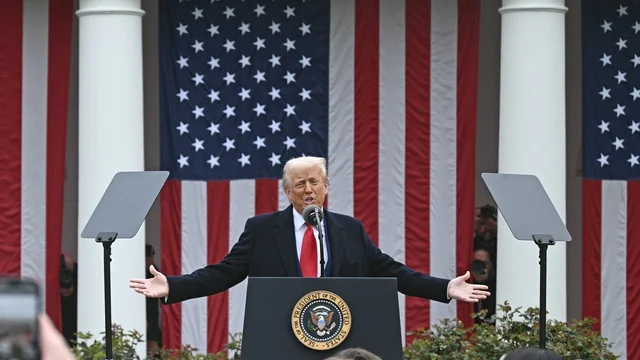
After the initial announcement Trump made regarding tariff policy, all the news broadcasters reported the issue worldwide. Thousands of news articles were published, with headline news dominated by Trump's trade wars. Trump made this decision to encourage U.S. consumers to buy more American-made goods, increase tax revenue, and lead to major levels of investment in the country. He specifically targeted China, Canada, and Mexico, also using tariffs to address issues such as migration and illegal drug use. Trump’s decisions about tariffs offer important lessons that young entrepreneurs should know about the global trading system. This article will demystify tariffs, outline their effects on startups, and help young entrepreneurs thrive in a changing economic environment.
Tariffs are taxes imposed by one country on goods imported from another country, increasing the cost of imports and affecting prices and supply chains. The Trump administration declared “Liberation Day” on April 2, 2025, introducing a 10% baseline tariff on nearly all U.S. imports (excluding Canada and Mexico). Higher 'reciprocal' tariffs on countries with large trade deficits, like China, were introduced too reaching up to 145% on certain goods. Specific targets included steel (25%), aluminum (25%), autos, and auto parts, while goods like pharmaceuticals and semiconductors were exempt. Trump aimed to reduce the U.S. trade deficit, protect American jobs, and encourage domestic manufacturing. He also used tariffs in unconventional ways for example, to address geopolitical issues such as migration and fentanyl smuggling. A unique legal strategy included invoking the International Emergency Economic Powers Act (IEEPA), which sparked legal debate.
As tariffs reshape the international trading system, they also impact young entrepreneurs striving to build profitable businesses. One major concern is rising costs. Tariffs raise the price of imported goods and components crucial for startups in retail, manufacturing, or tech. For instance, a 25% tariff on Mexican auto parts could increase car repair costs, affecting automotive entrepreneurs. Companies usually pass these costs to consumers, raising prices for imported products like electronics and clothing. The Tax Foundation estimates that tariffs could cost U.S. households between $1,300 and $2,000 annually, reducing consumer spending power.
Tariffs also lead to retaliation. Countries such as China, Canada, and the EU have responded with their own tariffs, which hurts U.S. exporters. Young entrepreneurs, particularly in agriculture, may face reduced demand and higher costs, limiting growth opportunities. Some businesses may relocate production to countries like Vietnam to avoid tariffs—forcing entrepreneurs to adapt quickly or risk losing suppliers.
Economic ripple effects are another consequence. Tariffs can contribute to inflation, with studies predicting price hikes within weeks for frequently restocked goods. This could reduce consumer demand for non-essential products. For example, the Penn Wharton Budget Model projects an 8% GDP reduction and a 7% wage drop in the long term, indicating a more difficult environment for startups.
Conclusion
In a world where global trade plays a major role in shaping economies, understanding tariffs is essential for the next generation of entrepreneurs. While Trump's tariff policies aimed to protect American industries and reduce the trade deficit, they also created new challenges especially for young startups. Higher costs, supply chain disruptions, and economic uncertainty can make it harder for small businesses to grow. But with knowledge, adaptability, and smart planning, young entrepreneurs can find ways to navigate these changes and turn challenges into opportunities. Staying informed about global economic decisions is not just for economists it's a key part of becoming a successful business leader in the modern world.
References
- 1. BBC News. “Trump’s Tariffs Explained.” BBC, 2025. https://www.bbc.com/news/articles/cn93e12rypgo
- 2. University of Queensland. “Trump’s Tariffs Explained.” UQ News, 2025. https://www.uq.edu.au/news/article/2025/04/trumps-tariffs-explained
- 3. The White House. “Fact Sheet: President Donald J. Trump Declares National Emergency to Increase Our Competitive Edge.” WhiteHouse.gov, April 2025. https://www.whitehouse.gov/fact-sheets/2025/04/fact-sheet-president-donald-j-trump-declares-national-emergency-to-increase-our-competitive-edge-protect-our-sovereignty-and-strengthen-our-national-and-economic-security/
- 4. CLAConnect. “The Impact of Trump’s Tariffs: A Comprehensive Analysis.” CLA (CliftonLarsonAllen), 2025. https://www.claconnect.com/en/resources/articles/25/the-impact-of-trumps-tariffs-a-comprehensive-analysis
- 5. American University. “Understanding Trump Tariffs 2.0.” School of International Service, 2024. https://www.american.edu/sis/news/20241205-understanding-trump-tariffs-2-0.cfm
- 6. Center for American Progress. “Trump’s Tariffs Would Raise Prices, Harm U.S. Workers, and Make It Harder to Solve Global Problems.” AmericanProgress.org, 2025. https://www.americanprogress.org/article/trumps-tariffs-would-raise-prices-harm-u-s-workers-and-make-it-harder-to-solve-global-problems/
- 7. Penn Wharton Budget Model. “Economic Effects of President Trump’s Tariffs.” University of Pennsylvania, April 10, 2025. https://budgetmodel.wharton.upenn.edu/issues/2025/4/10/economic-effects-of-president-trumps-tariffs