Beyond the Rift: How T1 Built a Worldwide Esports Empire
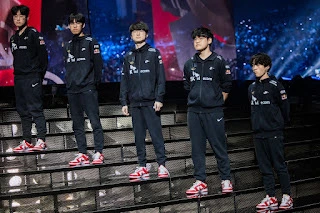
Most people think of the Bulls Real Madrid or the Yankees when they hear sports legends. In esports one name stands above the rest. T1. Known worldwide for Faker and other superstar players. The team started small but quickly became a global phenomenon. Fans from all over the world follow every match. Sponsors like Nike Red Bull and Samsung flock to support the brand. Jerseys and merchandise sell out in hours. T1 has turned gaming into a business worth billions. It is changing the way people think about sports entertainment. The team proves that esports is not just a game but a serious industry shaping the future.
T1 makes money from a lot of different sources, like sponsorships, merchandise, streaming, and esports academies. Even though tournament winnings help, most of their long-term income now comes from brand deals and content. Recently, T1 announced a three-year partnership with Red Sea Global, a luxury tourism company, during the 2025 Esports World Cup in Riyadh. The deal puts the RSG logo on T1’s jerseys and makes RSG the main sponsor for T1’s YouTube content during big tournaments. This shows how T1 is working with global lifestyle brands, not just gaming companies. They also have partnerships with major brands like Mercedes-Benz and Nike. For example, Mercedes-Benz Korea became a main sponsor for T1’s League of Legends team through 2025 because they share values like innovation and performance. By working with well-known brands, T1 isn’t just seen as a gaming team anymore but as a sports entertainment brand with global appeal. These partnerships also help boost their merchandise, media presence, and training programs, giving T1 more stable and long-lasting revenue beyond tournament prizes.
T1 has grown far beyond being just a Korean esports team, and one of the biggest reasons for this global reach is its joint venture with Comcast Spectator. By working with a major American entertainment and sports company, T1 was able to enter the U.S. market in a meaningful way, which helped them appeal to fans who might not normally follow Korean esports. This partnership allowed T1 to blend the disciplined, high-performance style that Korea is known for with the more entertainment-focused style that Western audiences enjoy. As a result, T1 developed a fanbase that connects with the team for different reasons, whether it is their gameplay, their personalities, or their content. T1 also puts a lot of effort into localizing its content so international viewers feel included. Their YouTube channels upload videos with English subtitles, and they produce region-specific content that fits different cultures and humor styles. Their social media accounts cater to fans from Korea, Southeast Asia, North America, and Europe, allowing the organization to stay relevant everywhere instead of being limited to one region. This global-first strategy helps the team grow not only as a competitive organization but also as a worldwide entertainment brand.
Faker is at the center of T1’s identity, and the team has built a long-term leadership structure around him. He is not only the most iconic mid-laner in League of Legends history but also one of the most respected figures in esports as a whole. T1 treats him as both a star player and a symbol of their values, using his consistency and discipline as the foundation for the team’s culture. Alongside Faker, T1 invests heavily in developing new players. Their academy system is one of the most structured in the esports world, giving young talent access to coaches, training routines, and mentorship from veterans. This system helps T1 stay competitive even as rosters change, because they always have new players who are trained in the same philosophy and work ethic. T1 also emphasizes player well-being by promoting mental health support, proper rest, physical training, and strong discipline. They treat their players like traditional athletes, making sure they follow healthy routines and maintain professionalism. This approach not only helps players perform better but also creates a stable environment where they can grow as individuals and teammates. It shows that T1 cares about long-term success rather than short bursts of performance.
T1 has created one of the most successful media and marketing strategies in esports because they understand how important storytelling is in building a fanbase. Their videos often show behind-the-scenes moments, practice-room conversations, travel experiences, and personal stories that make fans feel emotionally connected to the players. They release documentaries that highlight the team’s struggles and victories, which makes fans appreciate the players even more. On social media, T1 interacts with fans in a friendly and entertaining way by posting memes, humorous clips, community jokes, and updates that feel personal rather than corporate. Their players often appear in livestreams, Q&A sessions, and fun video challenges, allowing fans to see their personalities outside of competitive matches. Because the community is so connected to the team, T1 is able to turn fan loyalty into meaningful support through merchandise drops, collaborations with major brands, membership programs, and digital fan events. Fans often buy exclusive jerseys, limited-edition items, or participate in online watch parties, which helps T1 create a sustainable business model. Their focus on community and storytelling is a big part of why their fanbase continues to grow worldwide.
In the end, T1’s success as an esports organization comes from much more than competitive results alone. Their global expansion efforts, strategic partnerships, structured talent development, and strong media presence show how carefully they operate as a modern sports entertainment brand. By entering new markets through collaborations like the joint venture with Comcast Spectator, T1 has built an international fanbase that connects with them culturally and emotionally. The organization’s focus on long-term leadership, player development, mental support, and professional standards has allowed them to stay consistent in performance while setting a model for how esports athletes should be treated. Their storytelling, content creation, and active engagement with fans also play a major role, turning viewers into a dedicated community and creating reliable revenue through merchandise, collaborations, and digital experiences. Altogether, these elements explain how T1 continues to grow as a global leader in esports, showing that successful teams today must combine competitive strength with strong business strategies, cultural awareness, and meaningful fan relationships.