Headache Hacks: How Teens Can Tackle Migraines and Thrive
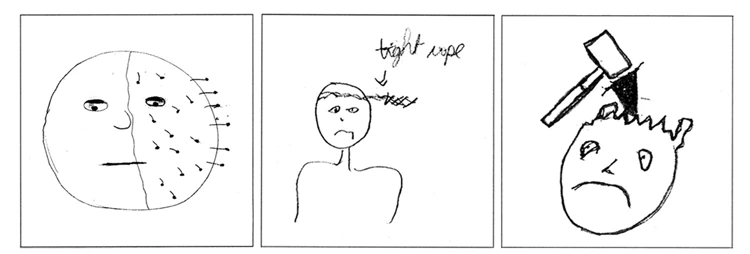
Severe head pain, brain fog, dizziness, blurred vision, nausea, vomiting, and heightened sensitivity to light, sound, and smell—these are the all-too-familiar symptoms faced by migraine sufferers. As Professor Joo, president of The Korean Headache Society, aptly put it, “Migraine isn’t fatal, but the pain is so intense it feels like it could be.” While not as life-threatening as diseases like leukemia or cancer, migraines are a chronic, disabling condition that significantly impacts daily life, education, careers, and social interactions.
A common misconception is that migraines are simply headaches, but the two are distinct. A headache refers to any pain experienced in the head or face, while migraines are a more complex neurovascular disorder involving nerve pathways and chemicals, particularly those affecting the brain’s blood vessels and nerves. While a headache can be a symptom of a migraine, migraines are far more severe and complex.
Triggers of Adolescent Migraines
Migraines in teenagers are often triggered by a wide range of factors closely tied to the physical and emotional changes of adolescence. Stress is one of the most common triggers, stemming from academic pressures, social dynamics, and the increasing demands of balancing school, extracurricular activities, and personal responsibilities. Hormonal changes, particularly during puberty, also play a significant role. For many teenage girls, fluctuating estrogen levels around menstruation can lead to more frequent or severe migraine episodes.
Dietary factors, such as the consumption of chocolate, caffeine, processed meats, and artificial sweeteners, can also provoke migraines in some individuals. Irregular eating habits, such as skipping meals, are another common trigger. Sleep patterns are crucial as well—both too little and too much sleep can disrupt the body’s natural rhythms, leading to migraines. Environmental factors, including bright lights, loud noises, and strong smells, can act as additional triggers, especially for adolescents who are particularly sensitive to sensory stimuli.
Finally, puberty and growth spurts, which alter brain chemistry, further increase the likelihood of migraines. For many, migraines may emerge or worsen during periods of rapid physical or hormonal change. A genetic predisposition can also increase the likelihood of migraines—if one or both parents suffer from migraines, their children are significantly more likely to experience them as well.
Challenges in Managing Migraines as a Teenager
Managing migraines during adolescence is particularly challenging. Teenagers are expected to maintain academic schedules, participate in extracurricular activities, and socially interact, all while still physically and mentally developing. For teenagers with migraines, these expectations can be especially burdensome. The unpredictability of migraine attacks often leads to frequent school absences, causing them to fall behind academically. When studying, concentration is often interrupted by brain fog and post-migraine symptoms, making it difficult to focus.
Moreover, teenagers with migraines often face a lack of understanding or empathy from peers and teachers, who may mistake the condition for typical stress or even attention-seeking behavior. This stigma can cause teens to feel isolated, misunderstood, and reluctant to seek help, further undermining their mental and emotional well-being.
Strategies for Coping with Migraines
While migraines cannot be completely cured, they are manageable. Medication is the most commonly used method to reduce symptoms and prevent future attacks. Acute treatments include pain relievers like NSAIDs (ibuprofen or aspirin), triptans, and dihydroergotamine, which block pain pathways in the brain. Anti-nausea drugs are also commonly used to alleviate symptoms like nausea and vomiting. For those with frequent migraines, preventive medications such as beta blockers, antidepressants, anti-seizure drugs, and newer CGRP monoclonal antibodies or gepants are recommended to reduce the frequency and intensity of attacks.
Aside from medication, lifestyle changes also play a critical role in managing migraines. The Low Glycemic Index Treatment (LGIT) diet, which focuses on consuming foods that have a minimal impact on blood sugar levels, can help stabilize glucose levels in the brain, reducing the frequency and severity of migraine attacks. Unlike more restrictive ketogenic diets, LGIT allows for moderate carbohydrate consumption, making it easier to maintain long-term. This diet emphasizes the intake of healthy fats and proteins, which support brain function and reduce inflammation.
Sleep is another important factor in managing migraines. However, migraine sufferers often struggle with insomnia due to pain. Achieving quality sleep, rather than just more sleep, is essential. Good sleep hygiene, including consistent sleep schedules and relaxing bedtime routines, can significantly improve migraine management.
The Role of Healthcare Providers
Healthcare providers, particularly general practitioners (GPs) and pediatric neurologists, play a crucial role in managing migraines. Regular consultations help ensure that the appropriate treatment is prescribed and that patients are accurately diagnosed. Misdiagnosis between different types of headaches is a common issue, and the correct diagnosis is essential since treatments vary depending on the type.
Despite the importance of professional care, many migraine sufferers are hesitant to seek medical help. In a study conducted in France, 40% of migraine sufferers had never consulted a GP, and of those who had, 40% stopped seeing one, leaving only 20% under ongoing care. This highlights the need for increased awareness of the importance of professional care in managing migraines.
For teenagers, pediatric neurologists often focus on lifestyle changes as the first line of defense, rather than immediately resorting to medication. Understanding triggers, managing stress, and addressing comorbid conditions like anxiety, depression, and ADHD are critical components of effective migraine management in adolescents. Listening to and believing teenagers when they describe their symptoms is essential, as their condition may be underestimated due to their age.
Support Systems
Support systems play a vital role in helping teenagers manage the challenges of chronic migraines, particularly in school, home, and online settings. Schools can make a significant difference by offering special accommodations, such as extended time on exams, reduced workloads, and a more flexible attendance policy. These adjustments enable students with migraines to keep up academically despite frequent absences or concentration difficulties due to their condition. Family and peer support are equally essential in managing the emotional toll of living with migraines. Family members who empathize and assist in daily routines can help alleviate stress, while friends who offer understanding and companionship can reduce feelings of isolation. Additionally, online resources and support groups specifically for teenagers provide an accessible community of peers who share similar experiences. The Migraine Trainer by NINDS is an app designed to help teens manage migraines by tracking triggers, recognizing symptoms, and learning coping strategies. Through interactive tools and educational content, it empowers teens to identify personal migraine patterns and make informed lifestyle adjustments, fostering better migraine management and greater independence. These supports offer both practical advice and emotional encouragement, reminding teens that they are not alone in their journey with migraine.
Conclusion
Migraine management is a multifaceted challenge, especially for adolescents. While medication and professional healthcare are important, lifestyle adjustments—such as managing diet, sleep, and stress—are equally critical. Migraine sufferers must take an active role in managing their condition, and increased awareness and understanding from peers, teachers, and healthcare providers can significantly improve their quality of life. Managing your diet is just looking at a tree. Managing your sleep is also just looking at a tree. Looking at the forest, it is important to manage your entire life. Though medications and medical treatments are scientifically proven to relieve people’s pain, it is up to you on how to manage the rest of your life.
References
- Cassoobhoy, Murtaza. “How To Manage Frequent Migraine Headaches: 8 Tips for Coping.” WebMD, 10 February 2023, https://www.webmd.com/migraines-headaches/learning-cope-migraines-headaches.
- Durani, Yamini. “Migraine Headaches (for Teens) | Nemours KidsHealth.” Kids Health, https://kidshealth.org/en/teens/migraines.html.
- Lee, Susan W. “Six ways to cope with migraine.” MedicalNewsToday, 25 May 2022, https://www.medicalnewstoday.com/articles/319147#medication.
- “Managing migraines at home Information.” Mount Sinai, https://www.mountsinai.org/health-library/selfcare-instructions/managing-migraines-at-home.
- “Migraine.” NHS, https://www.nhs.uk/conditions/migraine/.
- “Migraine in teens: Triggers, prevention and more.” Norton Children's, 4 August 2023, https://nortonchildrens.com/news/lifestyle-and-behavioral-approaches-to-prevention-of-migraine-in-teens/.
- “Migraines in Children: Symptoms, Causes & Treatment.” Cleveland Clinic, https://my.clevelandclinic.org/health/diseases/9637-migraines-in-children-and-adolescents.
- “Migraine: What It Is, Types, Causes, Symptoms & Treatments.” Cleveland Clinic, https://my.clevelandclinic.org/health/diseases/5005-migraine-headaches.
- “Healthcare Professionals Key Role in Personalized Migraine Relief.” Neurologist Fort Lauderdale, https://drjeffsteinberg.com/whats-the-role-of-healthcare-professionals-in-personalized-migraine-treatment-plans/.
- “Kids and migraines: How a pediatric neurologist can help | Pediatrics.” UT Southwestern Medical Center, 17 May 2021, https://utswmed.org/medblog/child-migraines-treatment-experts/.
- Saremsky, Pascal. “Childhood Migraines.” NY Neurology Associates, https://www.nyneurologists.com/blog/childhood-migraines.
- https://www.ninds.nih.gov/health-information/public-education/migraine-trainer-shareable-resources