Manufactured Truths: How Fake News and Misinformation Shape Public Perception
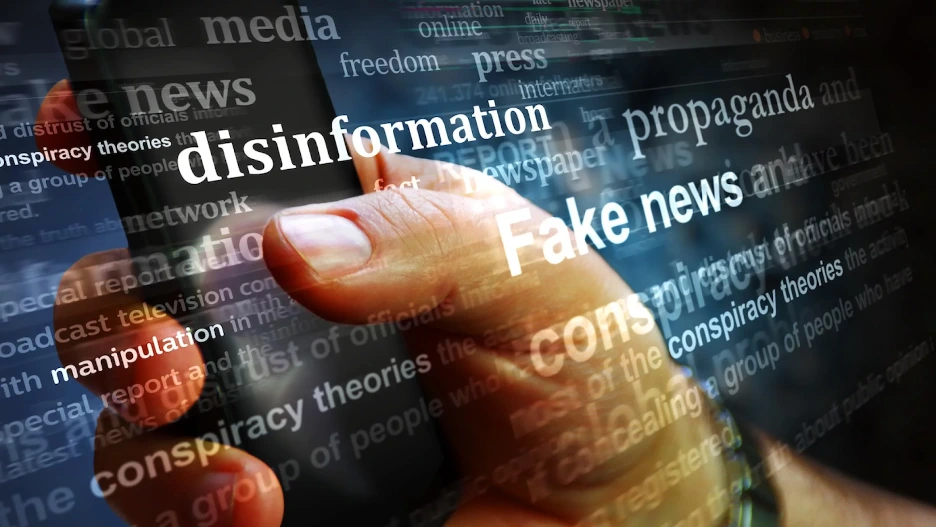
In modern days, information travels at the speed of light, regardless of the distance. As information travels all around the world, the boundaries between truth and fabrication have become blurred. The internet, once a space for free and open knowledge and communication, has become a space where fake news and misinformation thrive, threatening democratic systems, social trust, and personal safety. Confronting these digital chaos, it is crucial to acknowledge the impact of misinformation on society, and find a way to protect ourselves.
It is important to clearly disguise the difference between misinformation and disinformation. Misinformation is defined as false or inaccurate information, including wrong facts. Disinformation refers to false information which is deliberately intended to manipulate, mislead, or influence public perception, often serving political, social, or economic agendas. For instance, during COVID-19 crisis, misinformation and disinformation contributed to widespread confusion, fear, and public health risks. Misinformation led to rapid spread of unverified treatments, misinterpretations of scientific data, and skepticism toward vaccines. Disinformation was used to undermine trust in health authorities, promote conspiracy theories, and politicize the pandemic response. According to Baines et al. (2020), the “infodemic: of false information exacerbated the crisis by influencing public behavior and reducing compliance with safety measures. Addressing these issues required proactive fact-checking, transparent communication from experts, and digital literacy efforts to help individuals critically evaluate the credibility of information.
With the growing prevalence of fake news, digital safety is no longer just about protecting devices from viruses or securing passwords. It is about the ability to critically assess information, safeguard personal data, and avoid online manipulation. As Netsafe New Zealand highlights, disinformation tactics often play on human emotions like fear, anger, or hope, making it harder for individuals to verify facts objectively. Misinformation can also have tangible consequences. Deepfake technology—a digital manipulation technique used to create fake videos and images—has been utilized to spread false information and ruin reputations. Victims of such attacks often experience severe emotional distress and online harassment.
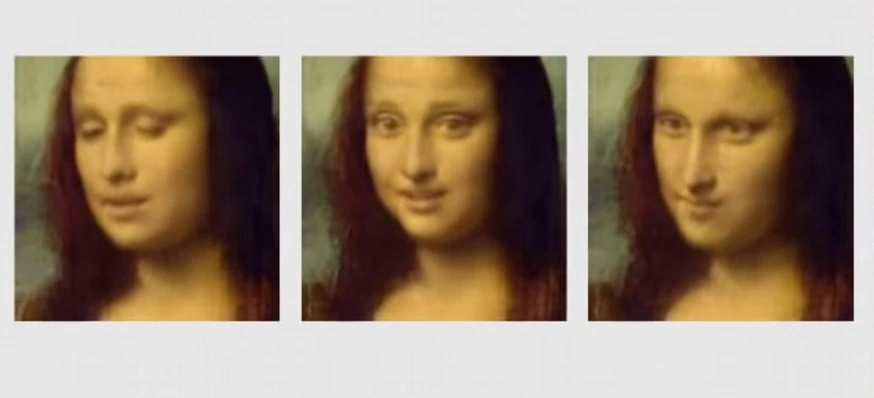
Delving more into deepfake, it is no longer easy to determine whether the person in the footage is real or generated. Due to its advancement and easy accessibility, deepfake technology has emerged as a significant threat to politics, particularly during elections. In the 2024 U.S. elections, deepfakes were utilized to disseminate misleading information, such as generated videos of candidates making controversial statements or engaging in unethical behavior. These manipulations aimed to sway voters’ and the publics’ opinions and weaken trust. For instance, a deepfake video falsely showing a candidate accepting illegal funds spread widely on social media, leading to confusion and mistrust among the public. The proliferation of such deceptive content not only threatens individual’s reputation but also leads to a greater risk to democratic institutions by eroding public confidence in authentic information.

Addressing these challenges necessitate a various approach, including technological solutions to detect deepfakes, legislative measures to penalize their malicious use, and public education to enhance media literacy and critical consumption of digital content.
How to Stay Safe in a Misinformed World
In today’s digital world, safeguarding oneself against misinformation is crucial. Here are several strategies to help you navigate information safely:
- Verify Information: Always cross-check information with reputable sources before accepting it as true. This practice, known as “reading laterally,” involves consulting multiple trusted outlets to confirm the accuracy of the content.
- Assess the Source: Examine the credibility of the source providing the information. Investigate the author’s background, the organization’s reputation, and their potential biases. Be cautious of unfamiliar sources and take time to research their legitimacy.
- Be Skeptical of Anonymous Sources: While anonymity can protect individuals in sensitive situations, overreliance on unnamed sources without corroborating evidence should raise doubts about the information’s validity.
- Read Beyond Headlines: Headlines can be misleading or sensationalized. Ensure you read the full article to understand the complete context before forming an opinion or sharing the information.
- Diversify Your News Consumption: Engage with multiple news outlets across the political and ideological spectrum. This approach provides a more balanced perspective and reduces the risk of echo chambers reinforcing misinformation.
- Recognize Emotional Manipulation: Misinformation often aims to elicit strong emotional reactions; such as fear or outrage. If content provokes an intense emotional response, take a moment to analyze it critically before accepting or sharing it.
- Educate Others Kindly: When encountering friends or family sharing misinformation, approach the situation with empathy. Provide accurate information from reputable sources without belittling them, fostering a constructive dialogue.
- Be Cautious with Social Media Content: Social media platforms can amplify misinformation rapidly. Always verify the original source of the content and be wary of sensational posts lacking credible backing.
References
- Baines, Darrin, and Robert Elliott. “Defining Misinformation, Disinformation and Malinformation: An Urgent Need for Clarity during the COVID-19 Infodemic.” April 21, 2020, p. 23.
- Fake News and Misinformation. 27 Aug. 2024.
- Misinformation and Disinformation. 30 July 2024,
- https://netsafe.org.nz/online-safety-at-home/mis-disinformation
- Digital Safety: We Are Shaping a More Secure Digital Future. Jan. 2024, https://www.weforum.org/impact/online-digital-safety/.
- Bond, Shannon. How AI Deepfakes Polluted Elections in 2024. Dec. 2024, https://www.npr.org/2024/12/21/nx-s1-5220301/deepfakes-memes-artificial-intelligence-elections.
- Insikt Group. Targets, Objectives, and Emerging Tactics of Political Deepfakes. 24 Sept. 2024, https://www.recordedfuture.com/research/targets-objectives-emerging-tactics-political-deepfakes.
- Arnold, Madison. 7 Ways to Protect Yourself against Misinformation. 7 Apr. 2020.
- Vigderman, Aliza. Misinformation and Disinformation: A Guide for Protecting Yourself. 21. security.org. Feb. 2024, https://www.security.org/digital-security/misinformation/.
- “Protect Yourself from Disinformation.” European Commission, https://commission.europa.eu/topics/countering-information-manipulation/protect-yourself-disinformation_en.