The Role of Society in Advancing Women’s Rights and Opportunities
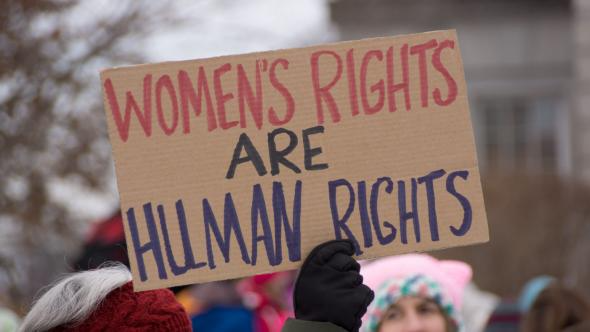
Throughout history, the struggle for women’s rights has demonstrated the strength, fortitude, and determination of women across the world. However, societal progress in advancing these rights has relied heavily on collective action, from education to policy, media, and community. Women’s universities, as pioneering institutions, have played an instrumental role in fostering empowerment and challenging social norms by creating environments where women thrive academically and personally. Despite progress, gender-based inequalities persist, emphasizing the need for a comprehensive societal approach. This article examines how education, media, policy, and community engagement can foster gender equity, with particular focus on the contributions of women’s universities globally.
Women’s universities worldwide have historically been spaces of empowerment, allowing women to pursue higher education without the societal constraints prevalent in coeducational institutions. Institutions such as Smith College in the United States, Ewha Womans University in South Korea, and others have nurtured generations of female leaders. These universities offer tailored academic programs that encourage women to explore male-dominated fields like STEM, politics, and business while providing mentorship and leadership opportunities. However, the current push to convert many women’s universities into coeducational institutions raises questions about whether their unique role in promoting gender-specific advancement will be diminished.
Dongduk Women’s University (DWU) is currently at the center of a heated debate regarding its potential transition to a coeducational model, reflecting broader societal discussions about the relevance of women’s universities. The university administration, citing demographic shifts and a need to enhance competitiveness, has proposed admitting male students. However, this has sparked significant opposition from the student body, who argue that such a move would compromise the institution’s identity as a safe space for women’s education and empowerment. Since November 2024, students have organized protests, occupied campus buildings, and boycotted classes, demanding that the administration halt all discussions related to coeducation. The ongoing standoff highlights tensions between modernization efforts and preserving the original mission of the university, with no consensus reached as of yet.
Preserving women’s universities like DWU is about more than maintaining tradition—it is about safeguarding spaces uniquely designed to foster female leadership, academic exploration, and social advocacy. For generations, these institutions have served as incubators for women to gain confidence, challenge gender stereotypes, and develop skills necessary to thrive in male-dominated fields. Graduates of women’s universities have historically played critical roles in advocating for gender equality, not only within their communities but also in global arenas. Maintaining these institutions ensures that women continue to have access to environments where they can thrive without the limitations and biases that often accompany coeducational settings. In doing so, women’s universities can uphold their role as catalysts for social progress and active contributors to dismantling systemic gender inequalities.
The decision to maintain women’s universities in a modern context carries political and gender implications. In countries like South Korea, where gender inequality remains deeply entrenched, these institutions act as counterforces against patriarchal norms. Abandoning single-gender education in favor of coeducation may signal societal progress to some, but for many women, it represents a loss of protective spaces designed to address ongoing gender disparities.
Rather than seeing coeducation as a one-size-fits-all solution, society should consider hybrid models that balance the benefits of gender integration with the need for specialized environments for women. This approach could include partnerships between women’s and coeducational universities to share resources while preserving women’s universities’ unique missions.
Advancing women’s rights requires a multifaceted approach encompassing education, media, policy, and community engagement. Women’s universities worldwide have proven their importance as catalysts for change, creating empowered graduates who drive progress in society. As debates surrounding coeducation continue, stakeholders must prioritize inclusive dialogues to ensure that women’s rights are not compromised. By leveraging media advocacy, policy reforms, and community efforts, society can sustain and expand the progress achieved by these institutions while adapting to modern challenges.
References
- Visualizing the data: Women’s representation in society. (n.d.). UN Women – Headquarters. https://www.unwomen.org/en/digital-library/multimedia/2020/2/infographic-visualizing-the-data-womens-representation
- A Women’s Role in Society: A Sociology Perspective – Social Sciences Student Journal. (n.d.). https://blogs.qub.ac.uk/sssj/a-womens-role-in-society-a-sociology-perspective/
- Seoul Law Group. (2023, June 26). Sexual Crimes in Korea | Rape, Indecent Acts, Sexual Harassment, Camera Crimes and Crimes against Minors. https://seoullawgroup.com/sexual-crimes-korea/
- Rashid, R. (2024, November 26). ‘We’d rather perish’: protests roil South Korean women’s university over plan to admit male students. The Guardian. https://www.theguardian.com/world/2024/nov/27/south-korea-dongduk-womens-university-protests-male-students#:~:text=In%20South%20Korea%2C%20women's%20universities,in%20a%20strictly%20patriarchal%20society.&text=Today%2C%20they%20are%20seen%20by,that%20remains%20deeply%20male%2Ddominated.
- Women‘s colleges in crisis: Blasted for gender bias, coed transition proposals. (2024, November 19). The Korea Herald. https://m.koreaherald.com/article/10011205
- USAFacts. (2023, August 17). How has the role of women changed over the last 50 years? USAFacts. https://usafacts.org/articles/how-has-the-role-of-women-changed-over-the-last-50-years/