The Costs and Benefits of the U.S. Military Withdrawal from Afghanistan
Introduction
For over two decades, the United States of America had been involved in the Afghanistan War, which was the longest war in its history. The war began in 2001, after the 9/11 terrorist attacks, when the United States, with NATO's support, invaded Afghanistan to dismantle the Taliban regime that had been providing a safe haven to al-Qaeda. The war was marked by significant challenges, including mounting casualties, financial costs, and political and military stalemate. After years of conflict, negotiations, and planning, the United States decided to withdraw its troops from Afghanistan, starting in 2020, which was a historic moment that marked the end of an era. This essay will discuss the timeline of the US military withdrawal from Afghanistan, the reasons behind it, and its potential consequences.
The timeline of the US military withdrawal from Afghanistan
Source: The Voice of America
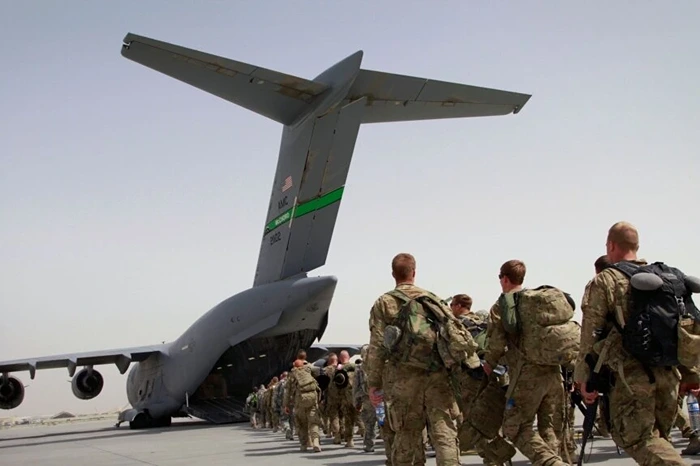
The US military withdrawal from Afghanistan began in February 2020, after a peace deal was signed between the US and the Taliban in Doha, Qatar. The agreement aimed to reduce violence, facilitate a political settlement between the Taliban and the Afghan government, and pave the way for the US to withdraw its troops from Afghanistan. As per the agreement, the US agreed to withdraw all its troops from Afghanistan within 14 months, provided that the Taliban fulfilled its commitments, including severing ties with al-Qaeda and preventing any terrorist group from using Afghanistan's soil to launch attacks on the US and its allies.
Following the agreement, the US began to draw down its troops in phases, reducing its military presence from around 13,000 to 2,500 by January 2021. The withdrawal was conducted in a coordinated and organized manner, with the US military transferring its bases, equipment, and facilities to the Afghan security forces. However, the process was not without challenges, as the Taliban continued to launch attacks on Afghan forces, and the Afghan government faced political and security instability.
Source: NPR
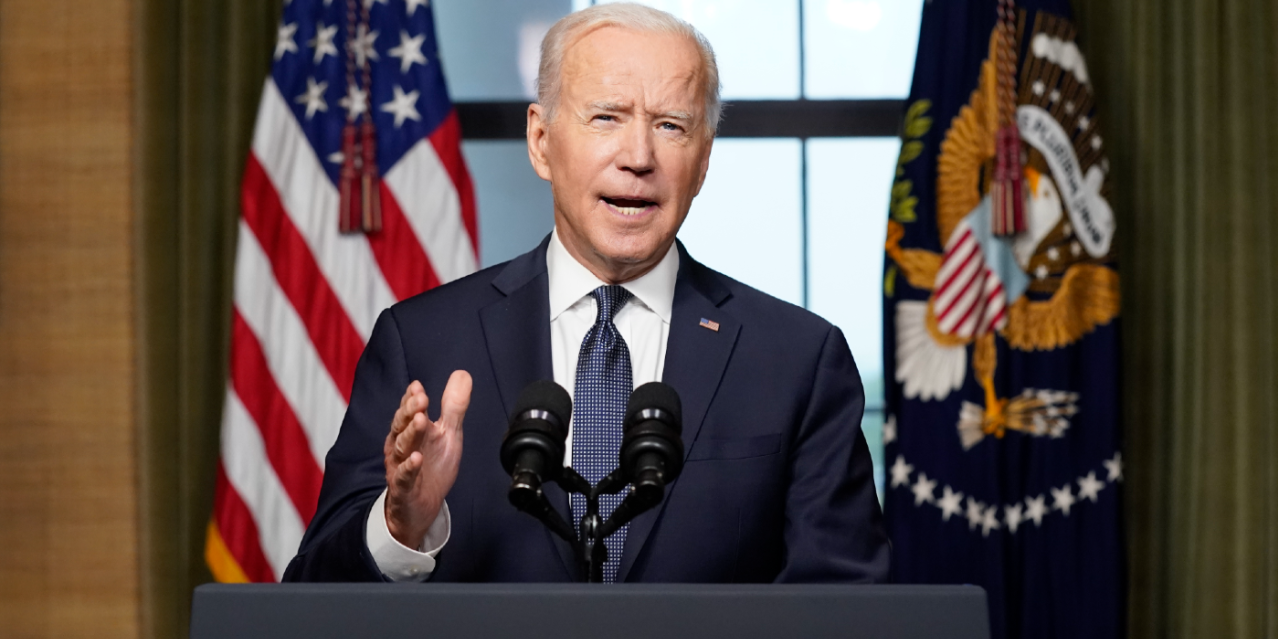
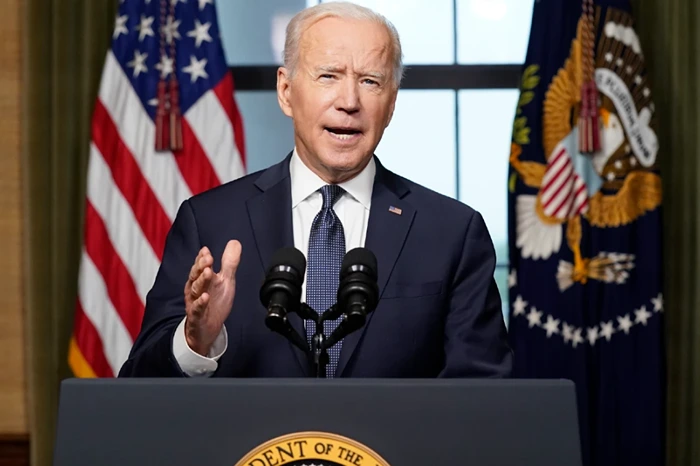
In April 2021, President Joe Biden announced that the US would complete its military withdrawal from Afghanistan by September 11, 2021, marking the 20th anniversary of the 9/11 attacks. The decision was based on the assessment that the US had accomplished its goals in Afghanistan, including eliminating al-Qaeda's presence, reducing the terrorist threat, and training and equipping the Afghan security forces. However, the announcement was met with mixed reactions, with some expressing concerns about the security situation in Afghanistan and the potential for a Taliban resurgence.
In July 2021, the US completed its military withdrawal from Bagram Airfield, its largest base in Afghanistan, marking a significant milestone in the withdrawal process. The final withdrawal of US troops occurred on August 31, 2021, ahead of the September 11 deadline. The Taliban subsequently seized control of Afghanistan, and the Afghan government collapsed, marking a new chapter in Afghanistan's history.
The US military withdrawal from Afghanistan was a complex and challenging process that spanned over a year. The withdrawal was marked by negotiations, phased reduction of troops, and the transfer of responsibilities to the Afghan security forces. However, the final outcome was unforeseeable, and the impact of the withdrawal on Afghanistan's future and global security remains uncertain.
Reasons for the US military withdrawal from Afghanistan
The decision to withdraw the US military from Afghanistan after 20 years of conflict was based on various factors. These included the cost of the war, the political and military stalemate, the desire to focus on other global issues, and the impact of the COVID-19 pandemic.
Firstly, the cost of the war was a significant factor in the decision to withdraw US troops from Afghanistan. According to a report by the Costs of War Project at Brown University, the United States had spent over $2.3 trillion on the war in Afghanistan, with an additional $500 billion spent on healthcare and benefits for veterans. This made the Afghanistan War one of the costliest in US history. The financial burden of the war was a significant concern for policymakers, particularly as the United States faced other pressing domestic and international issues. Moreover, the war has also claimed the lives of over 2,400 American soldiers and resulted in the deaths of tens of thousands of Afghan civilians. Despite these costs, the war has not achieved its primary objective of eliminating the Taliban and stabilizing the country.
Source: The New York Times
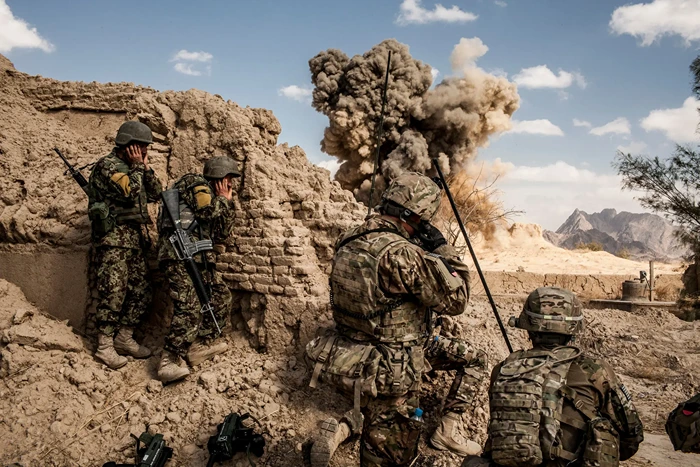
Secondly, the political and military stalemate in Afghanistan contributed to the decision to withdraw US troops. Despite years of fighting and negotiations, the conflict had reached a stalemate, with neither side able to achieve a decisive victory. The Taliban continued to launch attacks on Afghan security forces, and the Afghan government struggled to maintain stability and build public trust. Moreover, corruption, weak governance, and ethnic tensions further complicated the situation. This led to a sense of fatigue and frustration among the US military and policymakers, who believed that the conflict had become unwinnable.
Thirdly, the desire to focus on other global issues, such as China and Russia, was a factor in the decision to withdraw US troops from Afghanistan. As the global balance of power shifted, the United States sought to prioritize other strategic priorities and reduce its military footprint in the Middle East. Moreover, the United States faced domestic challenges, such as the COVID-19 pandemic, economic inequality, and social unrest, which required significant attention and resources.
Finally, the impact of the COVID-19 pandemic also played a role in the decision to withdraw US troops from Afghanistan. The pandemic had affected the global economy, strained healthcare systems, and disrupted daily life. The United States, like many other countries, faced significant challenges in responding to the pandemic, and the cost of the war in Afghanistan further strained the budget. Moreover, the pandemic had limited the ability of the US military to conduct operations and training, further complicating the situation in Afghanistan.
Consequences of the US military withdrawal from Afghanistan
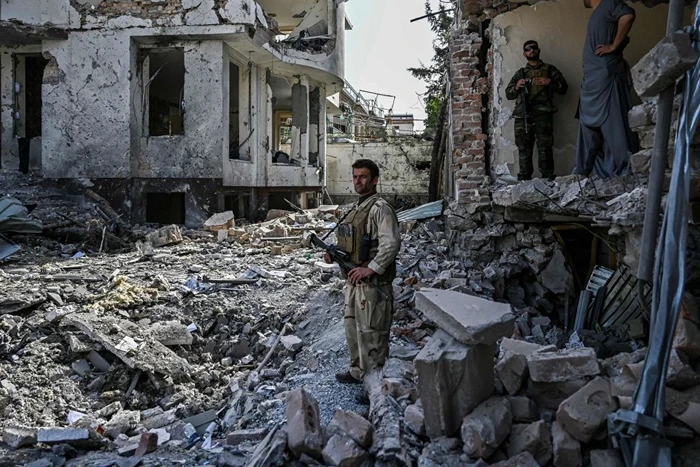
The withdrawal of US troops from Afghanistan has had significant consequences for Afghanistan, the United States, and the broader region. These consequences include the resurgence of the Taliban, the collapse of the Afghan government, the displacement of millions of people, and the potential for increased terrorist activity.
Source: The New York Times
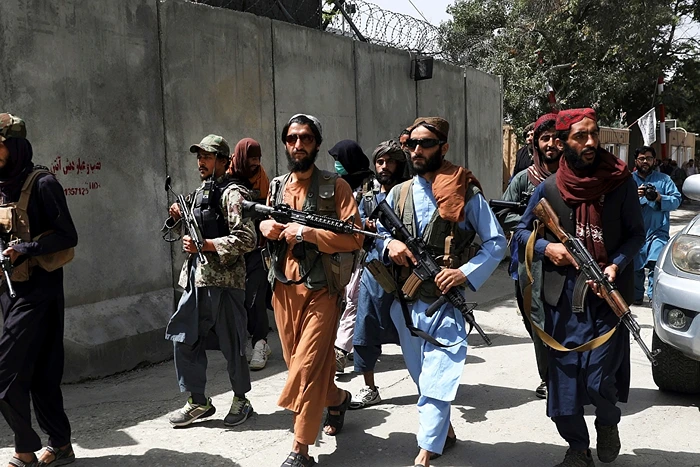
Firstly, the resurgence of the Taliban has been a significant consequence of the US military withdrawal. Since the withdrawal of US troops, the Taliban has made significant territorial gains and now controls large portions of Afghanistan. According to the United Nations, civilian casualties in Afghanistan increased by 29% in the first quarter of 2021 compared to the same period in 2020, with the Taliban responsible for the majority of the casualties. The resurgence of the Taliban has led to concerns about the erosion of human rights, particularly for women and minorities.
Secondly, the collapse of the Afghan government has been another consequence of the US military withdrawal. After the withdrawal of US troops, the Afghan government was unable to resist the Taliban's advances, and the Taliban took control of Kabul in August 2021. The collapse of the government led to a mass exodus of Afghans, with millions of people displaced or seeking refuge in neighboring countries. Moreover, the collapse of the government has raised questions about the effectiveness of US policy in Afghanistan and the future of US involvement in the region.
Thirdly, the displacement of millions of people has been a significant consequence of the US military withdrawal. According to the United Nations, over 3.5 million Afghans have been displaced by the conflict, with many seeking refuge in neighboring countries such as Pakistan and Iran. The displacement has put significant strain on the already fragile humanitarian situation in the region and has led to concerns about the potential for further instability and conflict.
Finally, the potential for increased terrorist activity has been a significant consequence of the US military withdrawal. With the collapse of the Afghan government and the resurgence of the Taliban, there are concerns that terrorist groups such as Al-Qaeda and ISIS may re-establish themselves in the region. Moreover, the Taliban's takeover of Afghanistan has raised concerns about the potential for the country to become a safe haven for terrorists, posing a threat to regional and global security.
Source: Wilson Center
Implications for Regional Security
The withdrawal of US troops from Afghanistan has had significant regional implications, particularly for neighboring countries such as Pakistan, Iran, India, China, and Russia. These countries have significant interests in Afghanistan, including security, economic, and geopolitical interests. The US military withdrawal has created new challenges and opportunities for these countries and has raised concerns about the potential for increased instability and conflict in the region.
Firstly, the withdrawal of US troops has had significant implications for Pakistan. Pakistan has long been accused of providing safe havens for the Taliban and other extremist groups in Afghanistan, and the US military presence in Afghanistan provided a check on Pakistan's influence in the region. With the withdrawal of US troops, there are concerns that Pakistan may increase its support for the Taliban and other extremist groups, which could lead to increased instability and conflict in the region.
Secondly, the withdrawal of US troops has had implications for Iran. Iran has a significant Shia minority in Afghanistan, and the Taliban's takeover of the country has raised concerns about the potential for increased sectarian violence in the region. Moreover, Iran has significant economic interests in Afghanistan, including trade and investment, and the collapse of the Afghan government could disrupt these economic ties.
Thirdly, the withdrawal of US troops has had implications for India. India has been a significant supporter of the Afghan government and has invested heavily in infrastructure projects in the country. With the collapse of the Afghan government, India's investments are at risk, and there are concerns about the potential for increased terrorist activity in the region, which could pose a threat to India's security.
Fourthly, the withdrawal of US troops has had implications for China. China has significant economic interests in Afghanistan, including the development of a copper mine in the country. Moreover, China has concerns about the potential for increased terrorist activity in the region, particularly from groups such as the East Turkestan Islamic Movement (ETIM), which has ties to the Taliban. The withdrawal of US troops has created new opportunities for China to increase its influence in the region, but it has also raised concerns about the potential for increased instability and conflict.
Source: Voice of America
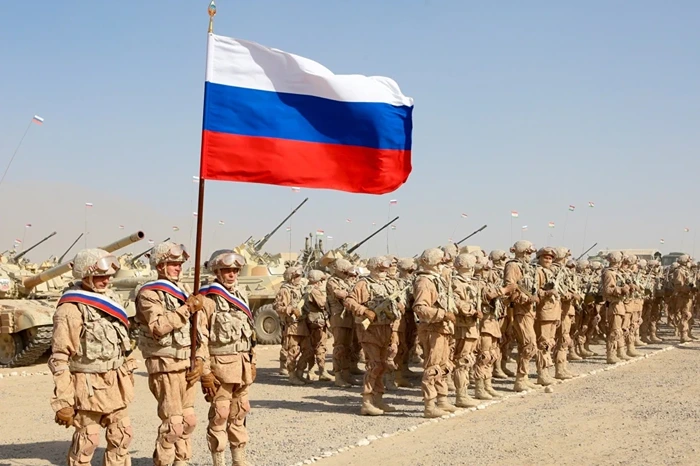
Finally, the withdrawal of US troops has had implications for Russia. Russia has been critical of the US military presence in Afghanistan and has accused the US of destabilizing the region. With the withdrawal of US troops, Russia has an opportunity to increase its influence in the region, particularly through its support for the Taliban. However, the resurgence of the Taliban has also raised concerns about the potential for increased instability and conflict in Central Asia, which could pose a threat to Russia's security.
Conclusion
The U.S. military withdrawal from Afghanistan is a significant event that will have far-reaching implications for regional security and stability. The situation highlights the complexity of achieving lasting stability and security in conflict-affected states and the importance of sustained international engagement. Going forward, addressing the root causes of conflict and instability in Afghanistan will require comprehensive and cooperative efforts by the international community and regional powers. The world must remain committed to supporting the Afghan people in their efforts to build a stable and prosperous future.
References
- Afghanistan's Government. (2021). Taliban control of territory in Afghanistan. BBC News. https://www.bbc.com/news/world-asia-58438552
- Ahmed, M., & Morello, C. (2021, July 13). The U.S. withdrawal from Afghanistan is more than half done, Pentagon says. The Washington Post. https://www.washingtonpost.com/national-security/us-withdrawal-afghanistan-halfway-complete/2021/07/13/3c2be902-e31f-11eb-934f-7e6c1927f262_story.html
- BBC News. (2021, August 16). Afghanistan crisis: What next after the Taliban takeover? https://www.bbc.com/news/world-asia-58242673
- Brookings Institution. (2021). What the Taliban's resurgence means for Afghanistan's neighbors. https://www.brookings.edu/blog/order-from-chaos/2021/07/14/what-the-talibans-resurgence-means-for-afghanistans-neighbors/
- Collins, L. (2021, September 1). The US military withdrawal from Afghanistan: What you need to know. Council on Foreign Relations. https://www.cfr.org/backgrounder/us-military-withdrawal-afghanistan-what-you-need-know
- Khashan, H. (2021, August 25). The Future of Al-Qaeda, ISIS, and Jihadism. Wilson Center. https://www.wilsoncenter.org/article/future-al-qaeda-isis-jihadism
- Kugelman, M. (2021, August 23). The fallout from the US withdrawal from Afghanistan will be severe. CNN. https://www.cnn.com/2021/08/23/opinions/fallout-from-us-withdrawal-afghanistan-will-be-severe-kugelman/index.html
- Lynch, C. (2021, September 1). What the Taliban's resurgence means for the future of Afghanistan. Time. https://time.com/6091506/taliban-resurgence-afghanistan-future/
- Mashal, M., & Rosenberg, M. (2019, January 28). U.S. and Taliban Agree in Principle to Peace Framework, Envoy Says. The New York Times. https://www.nytimes.com/2019/01/28/world/asia/taliban-peace-deal-afghanistan.html
- Mawlawizada, A. (2021, August 20). The withdrawal of US forces and its implications for Afghanistan's regional neighbors. The Diplomat. https://thediplomat.com/2021/08/the-withdrawal-of-us-forces-and-its-implications-for-afghanistans-regional-neighbors/
- New York Times. (2021, August 5). Afghanistan: Who Controls What. https://www.nytimes.com/2021/08/05/world/asia/afghanistan-casualty-report-august.html
- Nordland, R., & Rubin, A. J. (2021, August 14). Afghanistan's neighbors scramble as Taliban surge strains borders. The New York Times. https://www.nytimes.com/2021/08/14/world/asia/afghanistan-neighbors-taliban-refugees.html
- NPR. (2021, April 14). Biden to Announce He Will End America's Longest War in Afghanistan. https://www.npr.org/2021/04/14/986955659/biden-to-announce-he-will-end-americas-longest-war-in-afghanistan
- United Nations Assistance Mission in Afghanistan. (2021). Protection of civilians in armed conflict - Mid-Year Report 2021. https://unama.unmissions.org/sites/default/files/unama_protection_of_civilians_in_armed_conflict_midyear_report_2021.pdf
- United States Department of Defense. (2021). Afghanistan withdrawal updates. https://www.defense.gov/Explore/News/Article/Article/2674674/afghanistan-withdrawal-updates/
- VOA News. (2021, May 1). South, Central Asia: US Formally Begins Afghanistan Troop Pullout. Voice of America. https://www.voanews.com/a/south-central-asia_us-formally-begins-afghanistan-troop-pullout/6205298.html
- VOA News. (2021, August 30). The Taliban takeover of Afghanistan. Voice of America. https://www.voanews.com/a/6221287.html



