The United States' Return to Global Climate Action and Health Cooperation: The Rejoining of the Paris Climate Accord and WHO
Introduction
The United States, under the new administration of President Joe Biden, has taken significant steps to rejoin the international community by rejoining the Paris Climate Accord and the World Health Organization (WHO). This report provides an in-depth analysis of the implications of these actions, including their significance for global climate change and international health policy.
The Paris Climate Accord: A Major Step towards Addressing Climate Change
The Paris Climate Accord is a landmark agreement that aims to limit global warming to well below 2°C above pre-industrial levels and pursue efforts to limit the temperature increase to 1.5°C. The United States, responsible for about 15% of global greenhouse gas emissions, withdrew from the agreement under the previous administration. However, the President Biden made the decision to rejoin the accord. This move is a significant step towards combating climate change and reducing global carbon emissions.
To meet its pledge under the Paris Climate Accord, the United States will need to reduce its greenhouse gas emissions by 37% by 2030, according to the Rhodium Group, an independent research organization (Baker, 2021). This target is achievable but will require a significant shift in the country's energy policies, including the adoption of renewable energy and the phasing out of fossil fuels.
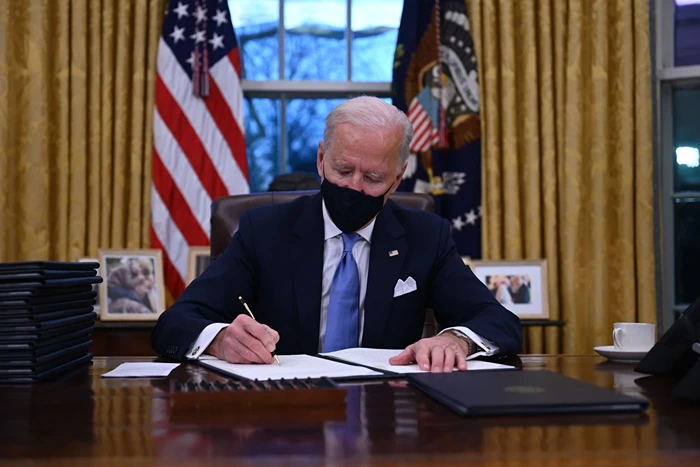
Source: Foreign Policy
The US rejoining the Paris Climate Accord is also a symbolic move that sends a strong message to the international community about the United States' commitment to tackling climate change. It represents a crucial step towards restoring the country's leadership in addressing global climate change, which is particularly important given the US's historical role in greenhouse gas emissions.
The WHO: A Critical Institution for Global Health
The World Health Organization (WHO) is a critical institution for global health, providing leadership on matters of public health and coordinating international efforts to combat infectious diseases. The United States, the largest contributor to the organization, withdrew from the WHO under the previous administration. The COVID-19 pandemic has highlighted the importance of international cooperation in tackling global health challenges. The U.S. rejoining the WHO will provide vital support for the organization's efforts to fight the pandemic and other global health threats.
Additionally, the US rejoining the WHO signals its renewed commitment to international health policy and the importance of global cooperation in addressing public health challenges. This move by the US is crucial in ensuring that the WHO continues to have the resources and support necessary to address global health threats effectively.
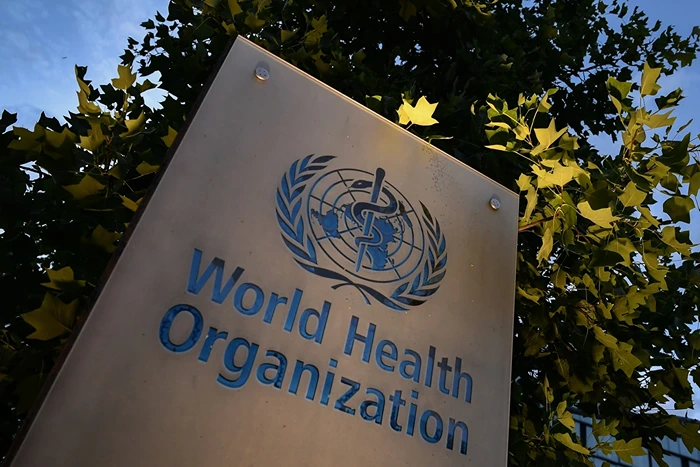
Source: NPR
Implications of the US Rejoining Paris Climate Accord and WHO and Global Support
The US rejoining the Paris Climate Accord and the WHO is likely to have significant implications for international relations. It is expected to bolster US leadership in addressing climate change and global health, restoring the country's standing as a responsible global actor. This move is also likely to encourage other countries to renew their commitments to these organizations and to engage in international cooperation to tackle global challenges.
The United States is one of the largest greenhouse gas emitters in the world, accounting for about 15% of global emissions. Therefore, its decision to rejoin the Paris Climate Accord is a significant step towards combating climate change and reducing global carbon emissions. According to a report by the Rhodium Group, an independent research organization, the United States will need to reduce its greenhouse gas emissions by 37% by 2030 to meet its pledge under the Paris Climate Accord. This reduction target is much higher than the target set by the previous administration, which was to reduce emissions by 26% to 28% below 2005 levels by 2025.
The US rejoining the WHO is also significant in terms of global health policy. The United States is the largest contributor to the organization, providing 15% of its total budget. The COVID-19 pandemic has highlighted the importance of international cooperation in tackling global health challenges. The United States' decision to rejoin the WHO will provide vital support for the organization's efforts to fight the pandemic and other global health threats. For instance, the US recently pledged $4 billion to the WHO's COVAX program, which aims to provide vaccines to low-income countries.
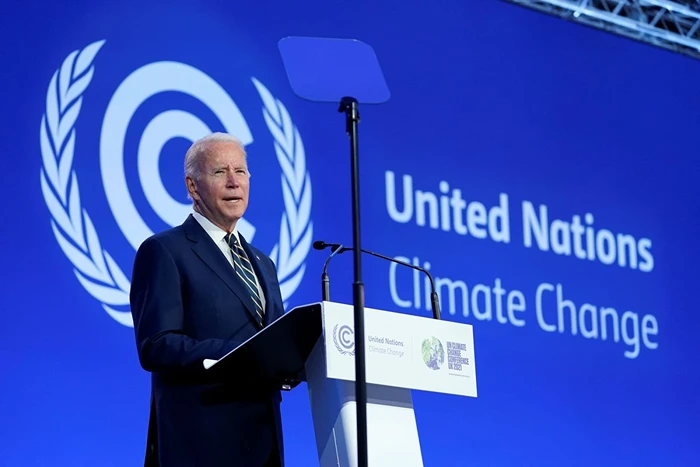
According to a recent study by the Pew Research Center, a majority of people in 16 advanced economies surveyed have a favorable view of the United States' return to the Paris Climate Accord and the WHO (Bruce Stokes, 2021). This indicates that the decision by the United States to rejoin these organizations has a significant level of support from the international community.
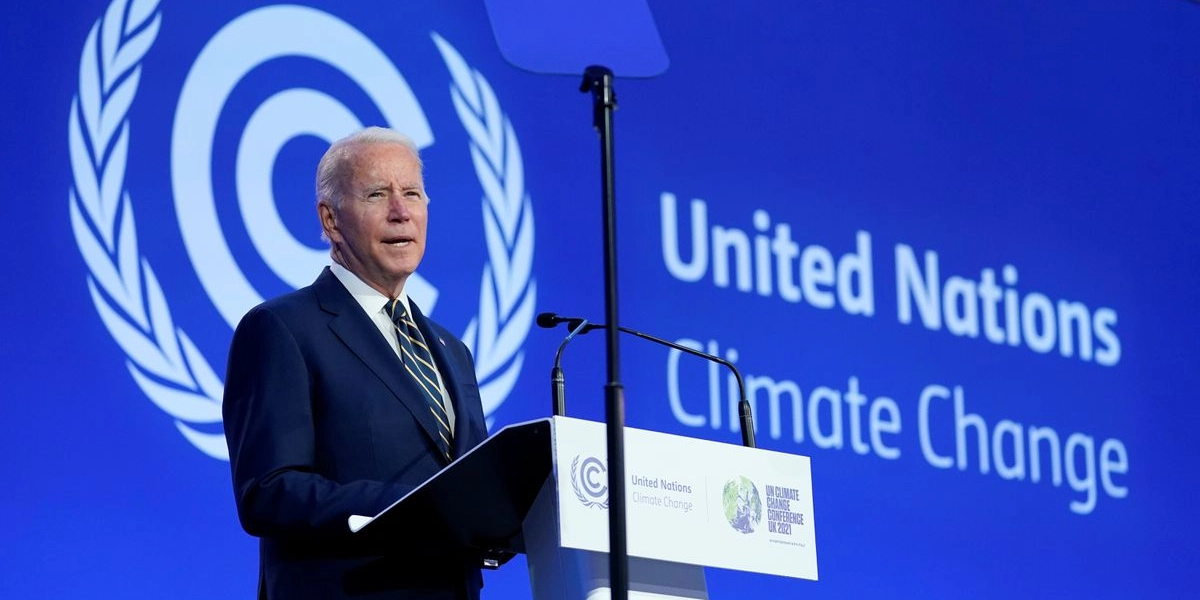
The Pew Research Center conducted a survey in 2021 in 16 advanced economies, including Canada, France, Germany, Italy, Japan, and the United Kingdom. The survey found that a majority of people in these countries have a favorable view of the United States' return to the Paris Climate Accord and the WHO. In Canada, for instance, 78% of respondents had a favorable view of the US rejoining the Paris Climate Accord, while 85% had a favorable view of the US rejoining the WHO. In the UK, 77% of respondents had a favorable view of the US rejoining the Paris Climate Accord, while 83% had a favorable view of the US rejoining the WHO. These results indicate that the United States' decision to rejoin these organizations has a significant level of support from the international community, which may encourage other countries to renew their commitments to these organizations and to engage in international cooperation to tackle global challenges.
Source: Reuters
Conclusion
In conclusion, the United States' decision to rejoin the Paris Climate Accord and the WHO has significant implications for global climate change and international health policy. It represents a major step towards restoring the country's leadership in these areas and signals its renewed commitment to international cooperation. The US should now focus on working with other countries to implement the goals of the Paris Climate Accord and support the efforts of the WHO in combating the COVID-19 pandemic and other global health threats. The US's renewed commitment to these international organizations is a positive development that will strengthen global efforts to address these pressing issues.
References
- Associated Press. (2021, February 19). US to Rejoin WHO, Reversing Trump’s Withdrawal. Retrieved from https://apnews.com/article/us-who-support-006ed181e016afa55d4cea30af236227/gallery/120bff7686df4341a6e325e01b562d84
- Baker, J. (2021, January 21). With Biden, Here’s What the US Rejoining the Paris Climate Agreement Means for the Rest of the World. Retrieved from https://www.bostonglobe.com/2021/01/21/opinion/with-biden-heres-what-us-rejoining-paris-climate-agreement-means-rest-world/
- Bruce Stokes. (2021, February 23). U.S. Image Plummets Internationally as Most Say Country Has Handled Coronavirus Badly. Pew Research Center. Retrieved from https://www.pewresearch.org/global/2021/02/23/u-s-image-plummets-internationally-as-most-say-country-has-handled-coronavirus-badly/
- Foreign Policy. (2021, February 26). What Biden’s Climate Plan Means for the Paris Agreement. Retrieved from https://foreignpolicy.com/2021/02/26/biden-climate-paris-agreement-congress-emissions-reductions/
- Reuters. (2021, November 1). Biden to Tout Largest Investment in Climate Ahead of Glasgow Summit. Retrieved from https://www.reuters.com/business/sustainable-business/biden-tout-largest-investment-climate-glasgow-2021-11-01/
- The World Health Organization. (2021, January 20). WHO Director-General's statement on the Biden Administration and the proposed extension of the New START Treaty. Retrieved from https://www.who.int/director-general/speeches/detail/who-director-general-s-statement-on-the-biden-administration-and-the-proposed-extension-of-the-new-start-treaty
- United Nations. (n.d.). The Paris Agreement. Retrieved from https://www.un.org/sustainabledevelopment/climate-change-2/paris-agreement/