Dreams Deferred: The Limitations of Korea's Education System
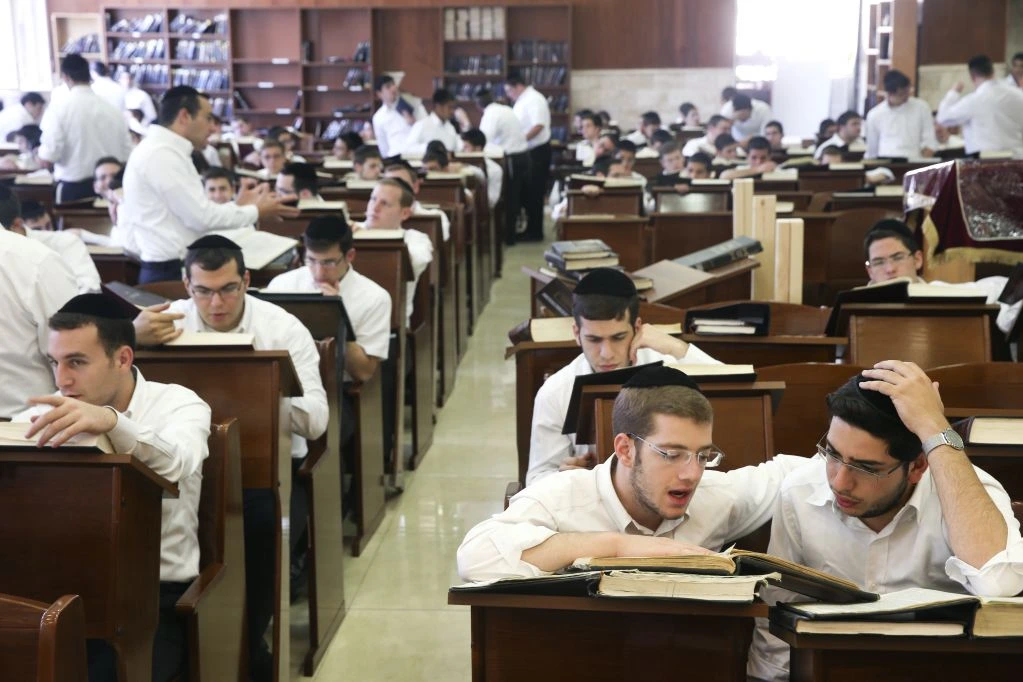
The Korean education system is globally recognized for its rigor and high academic standards. However, beneath the surface of top-ranking test scores and elite university admissions lies a deeper issue: a rigid, test-centered approach that often stifles creativity, critical thinking, and genuine intellectual curiosity. In contrast, the Jewish tradition of Havruta, a method of learning through dialogue and debate, offers a compelling alternative—one that could inspire meaningful reform in Korea’s deeply entrenched educational culture.
The Harsh Realities of Korea’s Education System
Korea’s education system is widely regarded as one of the most intense and competitive in the world. Students endure grueling hours of study, often attending school from early morning until late evening, followed by additional cram school (hagwon) sessions that stretch deep into the night. The pressure to achieve top scores on standardized tests, particularly the College Scholastic Ability Test (CSAT), dictates the trajectory of a student's future. This obsession with academic excellence has led to widespread student burnout, mental health crises, and a lack of emphasis on independent thought.
According to a 2022 study by the Korean Educational Development Institute (KEDI), over 70% of high school students reported experiencing extreme stress due to academic pressure. Furthermore, South Korea has one of the highest rates of youth depression and suicide among OECD countries, a grim testament to the unforgiving nature of the system. These alarming statistics reveal a fundamental flaw: an education system that prioritizes rote memorization and standardized performance over holistic intellectual and personal development.
A Student’s Story: The Cost of Academic Pressure
Ji-hoon, a 17-year-old high school student from Seoul, recounts his grueling daily routine. "I wake up at 6 AM, attend school until 4 PM, and then go straight to hagwon until 11 PM. By the time I get home, I barely have time to eat and shower before I collapse into bed. Every day feels like a race I can never win." Ji-hoon’s experience is far from unique. Thousands of students in Korea face similar struggles, sacrificing sleep, hobbies, and mental well-being in the relentless pursuit of academic success.
The Havruta Method: A Model for Change
The Havruta method, deeply rooted in Jewish educational philosophy, presents a stark contrast to Korea’s rigid approach. This method encourages students to learn through paired discussion, questioning, and debate, fostering deep understanding rather than passive absorption of information. In Havruta learning, students actively challenge each other’s ideas, articulate their thoughts, and develop analytical reasoning—skills that are essential in the modern, innovation-driven world.
Why Havruta Works:
- Encourages Critical Thinking: Unlike Korea’s traditional lecture-based education, Havruta requires students to actively engage with the material, fostering deeper comprehension and intellectual independence.
- Promotes Creativity and Innovation: By discussing and debating, students learn to think outside the box rather than merely regurgitating textbook answers.
- Strengthens Social and Communication Skills: The ability to argue persuasively, listen attentively, and articulate complex ideas prepares students for success beyond academia.
Havruta Beyond Jewish Education: Real-World Success Stories
Havruta-inspired learning is not confined to Jewish education. Several modern institutions have successfully incorporated discussion-based methodologies into their curriculum. For instance, the Paideia Institute in Sweden, which focuses on critical and creative thinking through dialogical learning, has reported higher student engagement and problem-solving abilities among its participants. Similarly, Minerva Schools at KGI, a university designed around active learning, has implemented debate and discussion-driven coursework to cultivate intellectual agility. These examples demonstrate that an education system centered on dialogue and inquiry is both feasible and highly effective.
Potential Challenges of Adopting Havruta in Korea
While the benefits of Havruta-style learning are clear, implementing this approach in Korea presents several challenges:
- Teacher Training: Korean teachers are accustomed to a lecture-based format and may require extensive training in facilitating open discussions and critical thinking exercises.
- Classroom Size: Many Korean classrooms have over 30 students, making it difficult to implement individualized discussion-based learning. Schools would need to explore smaller group activities or hybrid models.
- Cultural Resistance: The Korean education system places high value on discipline and hierarchy, which may conflict with the egalitarian nature of Havruta discussions.
- Assessment Methods: Current evaluation systems are heavily reliant on standardized testing. Adopting a discussion-based model would require new methods to assess student progress.
Government and Policy Perspective: Steps Toward Reform
Recognizing the limitations of Korea’s current education model, the government has made some efforts toward reform:
- 2022 Curriculum Revision: The Ministry of Education announced plans to gradually shift away from rote memorization by incorporating more inquiry-based and project-based learning.
- AI-Based Personalized Learning: Pilot programs utilizing AI-driven education platforms aim to provide students with tailored learning experiences that encourage critical thinking.
- University Admissions Reform: Some universities have begun placing greater emphasis on personal statements, extracurricular achievements, and interview assessments rather than just CSAT scores.
While these initiatives signal a move in the right direction, they remain incremental. To create meaningful change, policymakers must actively integrate discussion-based learning into mainstream education, provide comprehensive teacher training, and establish evaluation systems that reward critical thinking over memorization.
A Call for Action: Who Must Step Up?
Transforming Korea’s education system requires collective effort from multiple stakeholders:
- Policymakers must introduce more structured reforms that emphasize discussion-based learning and reduce the reliance on standardized testing.
- Schools and Teachers need training in active learning methodologies and must create classroom environments that encourage debate and inquiry.
- Parents should advocate for a balanced approach to education, supporting schools that prioritize student well-being alongside academic success.
- Students themselves can embrace discussion-based learning by forming study groups that encourage debate and deeper analysis of their subjects.
The future of Korea’s youth should not be defined solely by their test scores. It is time to build an education system that values dialogue over memorization, curiosity over conformity, and wisdom over mere knowledge. Only through collective action can we empower students to chase their dreams without deferring them to an uncertain future.