Toward Sustainable Urbanization: Policy Directions for Reducing Urban Migration
To: The National Assembly of the Republic of Korea
From: Eugene Lee, Student Researcher, Youth Impact Institute
Subject: Strategies to Reduce Urban Migration in South Korea
Introduction
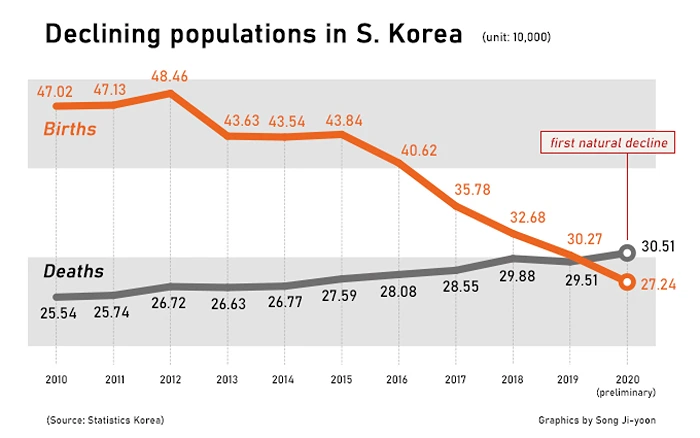
South Korea is facing a dual crisis of severe overpopulation in Seoul and the alarming deterioration of rural areas. The concentration of the population in urban centers, particularly Seoul, has resulted in infrastructural strain and a high cost of living, while rural areas suffer from depopulation and economic decline. Compounding these issues is South Korea's record-low birth rate, which poses a long-term threat to the nation's demographic and economic stability. This memo outlines strategic initiatives aimed at reversing rural depopulation, mitigating urban overcrowding, and encouraging population redistribution through comprehensive rural development programs.
Background
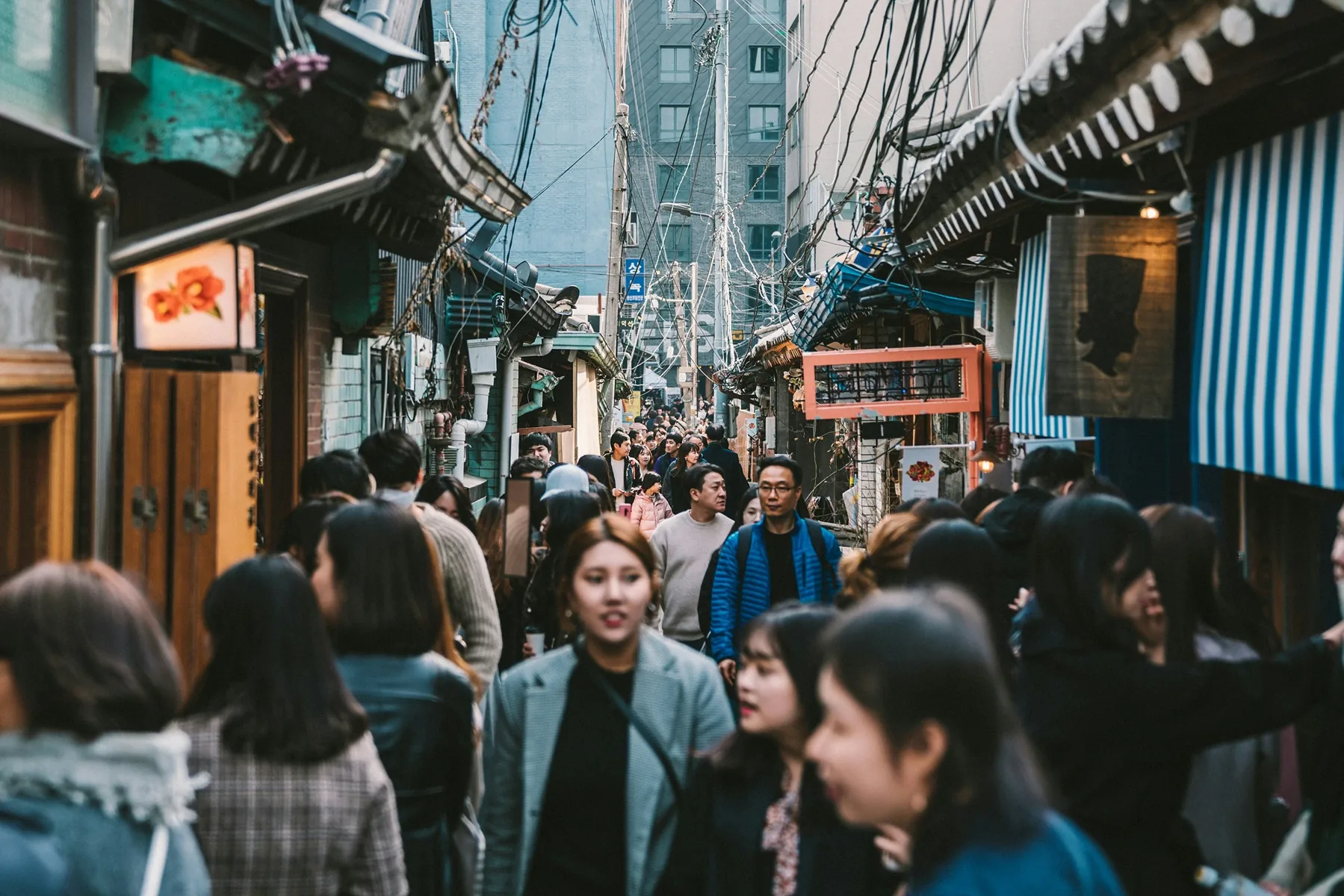
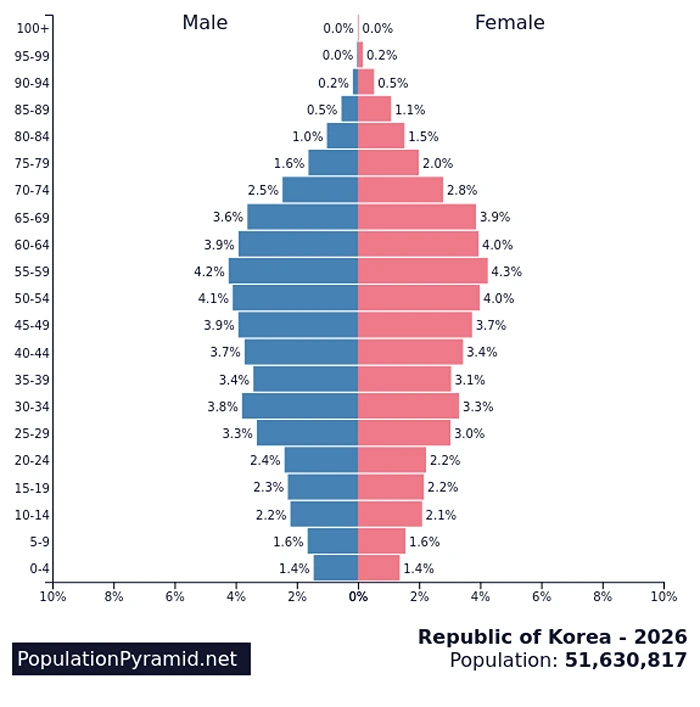
Urban Overcrowding: Seoul's population density has reached unsustainable levels, straining public services, housing, and transportation. The high cost of living exacerbates social inequality and diminishes quality of life.
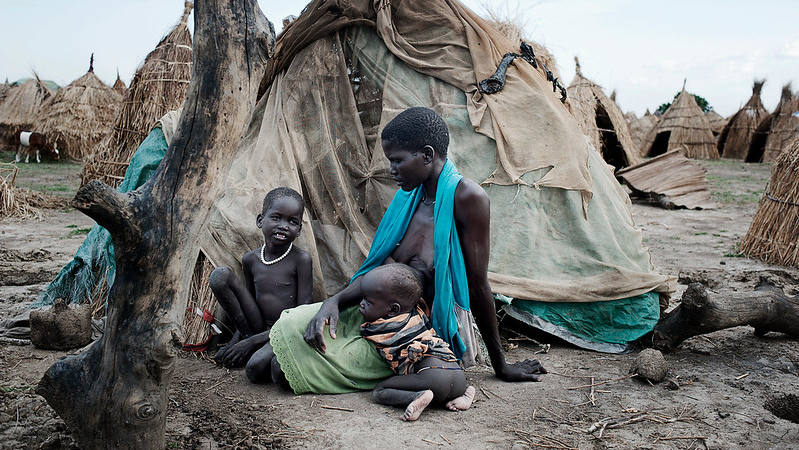
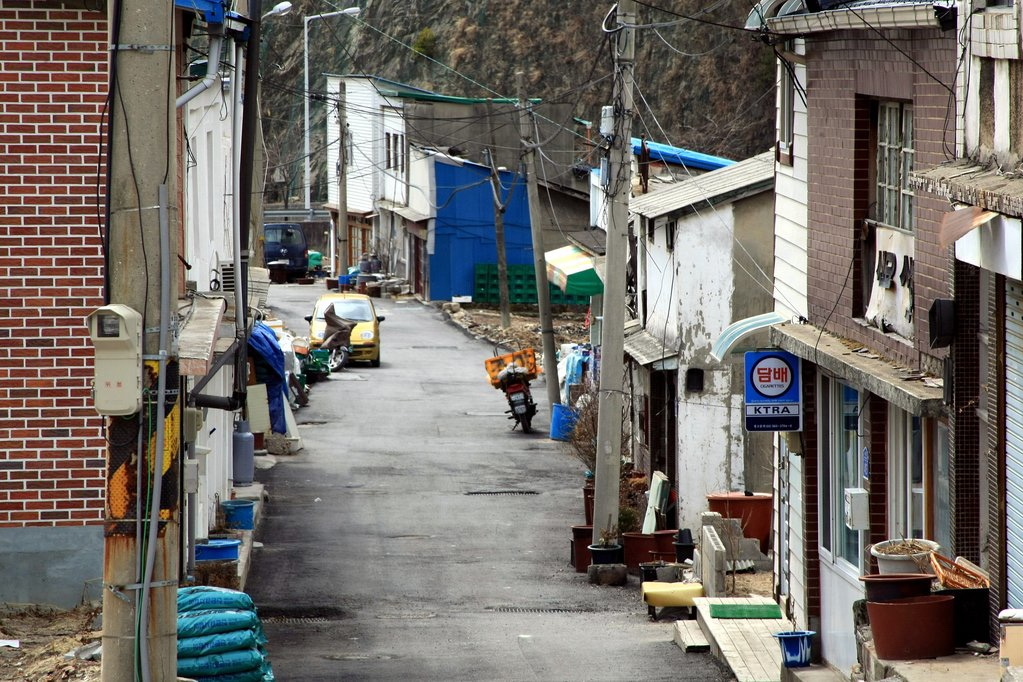
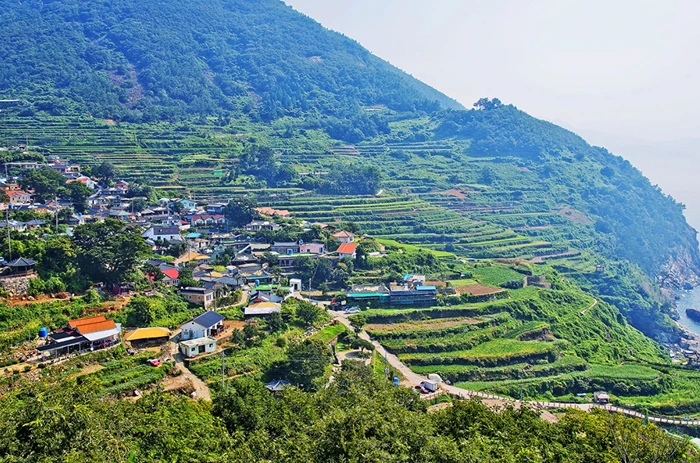
Rural Depopulation: Rural areas are experiencing economic decline, aging populations, and infrastructure neglect. The migration of younger populations to urban centers has left rural communities unsustainable.
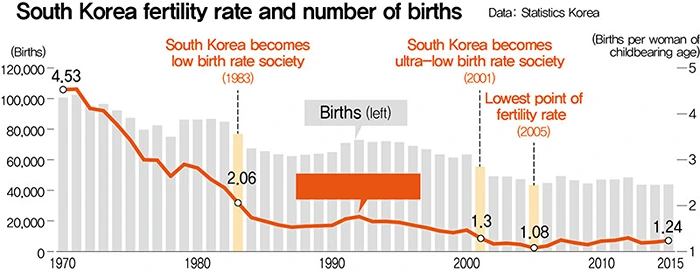
Low Birth Rate: South Korea's fertility rate is among the lowest in the world, contributing to an aging population and a shrinking workforce. This trend is more pronounced in urban areas, where high living costs discourage family formation.
Policy Recommendations
Incentivize Rural Relocation:
Financial Incentives: Introduce subsidies for housing, relocation, and start-up businesses in rural areas. Provide tax breaks and grants to families and individuals who move to the countryside.Subsidies, tax breaks, and grants will make rural living more attractive, encouraging families and individuals to relocate, thereby reducing urban congestion and stimulating rural economies.
Employment Opportunities: Develop regional job creation programs focusing on agriculture, technology, and sustainable industries. Partner with private companies to establish branches in rural locations. Creating jobs in agriculture, technology, and sustainable industries will retain and attract residents, revitalizing rural economies and reducing migration to urban areas.
Education and Healthcare: Invest in high-quality education and healthcare facilities in rural areas to attract young families. Ensure access to modern amenities and services comparable to urban standards. Improved facilities will attract young families to rural areas, contributing to a more balanced population distribution and enhancing rural community life.
Develop Rural Infrastructure:
Transport Connectivity: Enhance transportation networks between rural and urban areas to facilitate easy commuting and goods transportation. Improve road, rail, and public transit systems to reduce isolation. Enhanced transport networks will facilitate commuting and trade, making rural areas more accessible and appealing for both residents and businesses.
Digital Infrastructure: Expand high-speed internet and digital services in rural areas to support remote work and digital entrepreneurship. Encourage the growth of tech hubs and e-commerce.Expanding high-speed internet will support remote work and digital businesses, fostering economic growth and attracting younger, tech-savvy populations.
Promote Rural Tourism and Culture:
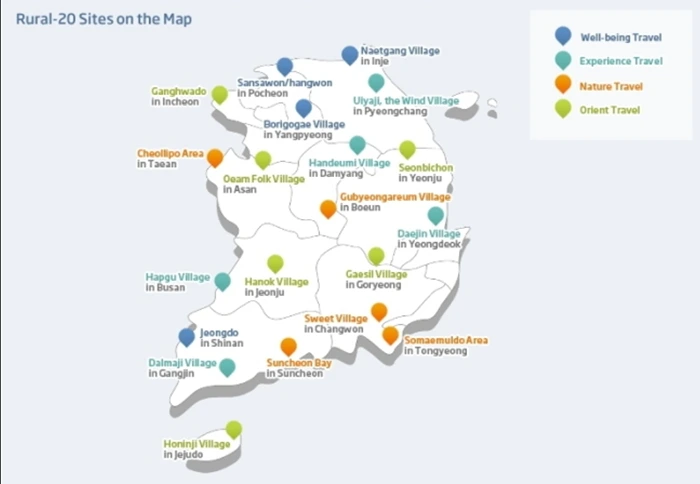
Tourism Development: Invest in tourism infrastructure, such as hotels, cultural sites, and recreational facilities, to attract domestic and international tourists. Promote rural heritage, cuisine, and eco-tourism. Investing in tourism infrastructure will boost local economies, promote cultural heritage, and increase rural attractiveness as a travel destination.
Cultural Programs: Support local cultural initiatives, festivals, and arts programs that celebrate rural traditions and heritage. Engage communities in preserving and promoting their unique identities. Supporting cultural initiatives will enhance community engagement, attract visitors, and preserve unique rural identities, enriching the overall rural experience.
Support Agricultural Innovation:
Modern Farming Techniques: Provide training and resources for sustainable farming practices, organic agriculture, and high-value crops. Encourage the adoption of smart agriculture technologies. Providing training and resources for sustainable and innovative farming will increase productivity, reduce environmental impact, and make agriculture a more viable livelihood.
Agri-Business Initiatives: Foster agri-business clusters and cooperatives to enhance productivity and market access. Facilitate partnerships between farmers, researchers, and businesses for innovation. Fostering agri-business clusters will improve productivity, market access, and profitability, encouraging more people to engage in agriculture.
Address Demographic Challenges:
Family Support Programs: Implement comprehensive family support policies, including childcare services, parental leave, and financial assistance for families with children. Implementing comprehensive family support policies will encourage higher birth rates, especially in rural areas where the cost of living is lower.
Youth Engagement: Create youth-focused programs that encourage young people to stay or move to rural areas. Offer scholarships, internships, and entrepreneurship opportunities tailored to rural settings. Creating programs tailored to youth will retain and attract young people to rural areas, ensuring a vibrant and sustainable future for these communities.
Conclusion
Addressing the overpopulation in Seoul and the decline of rural areas requires a multifaceted approach that combines economic incentives, infrastructure development, and cultural promotion. By implementing these strategic initiatives, South Korea can achieve a more balanced population distribution, rejuvenate rural communities, and create a sustainable future for all its citizens. These efforts will not only alleviate urban pressures but also preserve and enhance the vitality of the nation’s rural heritage.