South Sudan's Displaced: The Pressing Call for Humanitarian Action
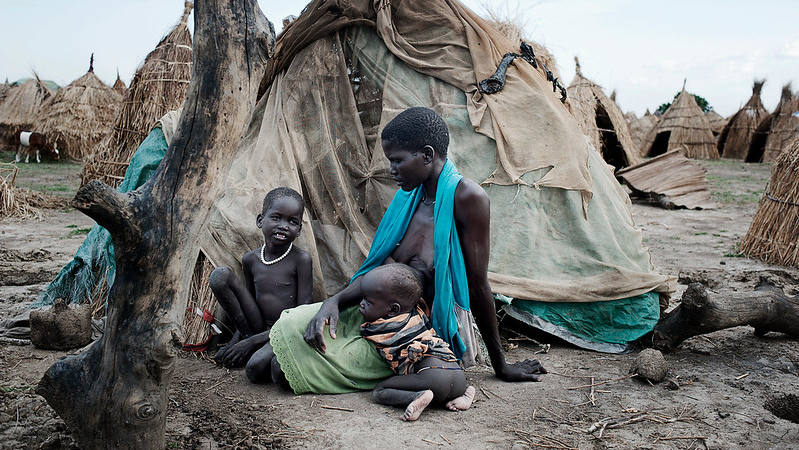
South Sudan, the world's youngest nation, has been mired in conflict and violence since its independence in 2011. The ensuing civil war and ethnic strife have created a humanitarian crisis of enormous proportions, leaving millions of people displaced and struggling to survive. As of 2023, over 4 million South Sudanese have been forced to flee their homes, with 1.8 million internally displaced and another 2.2 million seeking refuge in neighboring countries. The combination of conflict, a collapsed healthcare system, and high mortality rates has created a dire situation that demands immediate and sustained attention.
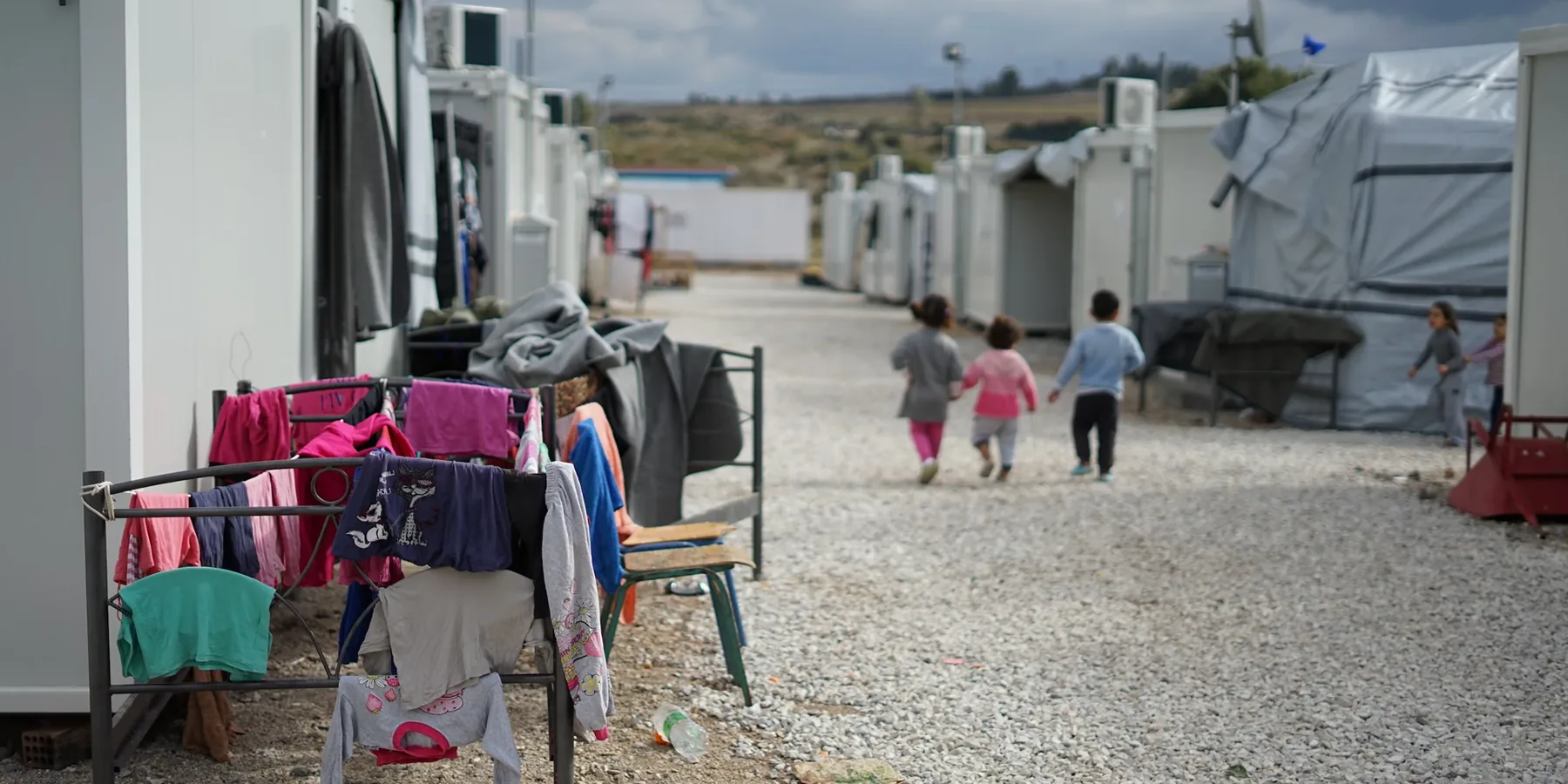
The ongoing conflict in South Sudan has torn apart communities, disrupted livelihoods, and forced families to abandon their homes in search of safety. The internally displaced population, numbering 1.8 million, lives in overcrowded camps with limited access to basic necessities such as clean water, food, and shelter. For the 2.2 million refugees who have fled to neighboring countries, the challenges are equally severe. They often find themselves in unfamiliar environments, dependent on international aid for survival. The displaced population is highly vulnerable, facing threats not only from ongoing violence but also from disease outbreaks, malnutrition, and mental health issues. The trauma of displacement and the loss of family members, homes, and livelihoods have left deep psychological scars, particularly on children, who make up a significant portion of the displaced population.
South Sudan's healthcare system is one of the most underdeveloped in the world. Only 40% of the population has access to healthcare facilities, and even those facilities are often under-resourced, understaffed, and unable to meet the needs of the population. This lack of access to healthcare has dire consequences, particularly for women and children. The maternal mortality rate in South Sudan is a staggering 789 per 100,000 live births, one of the highest in the world. This is largely due to a lack of access to prenatal care, skilled birth attendants, and emergency obstetric services. For children, the situation is equally grim, with an under-five mortality rate of 99 per 1,000 live births. Preventable diseases such as malaria, diarrhea, and respiratory infections are among the leading causes of death for children under five. The healthcare crisis is exacerbated by the fact that many displaced people are living in remote or conflict-affected areas where there are no healthcare facilities at all. For these populations, accessing even the most basic healthcare services is nearly impossible.
Despite the overwhelming challenges, there are organizations working tirelessly to provide lifesaving assistance to South Sudan's displaced and vulnerable populations. UNICEF has deployed mobile health clinics to reach remote and displaced populations who would otherwise have no access to healthcare. These clinics provide a range of essential services, including vaccinations, prenatal care, and treatment for common illnesses. The mobile clinics are often the only source of healthcare for many communities, and their impact has been significant. By bringing healthcare directly to those in need, UNICEF has been able to improve health outcomes in areas where stationary health facilities are either non-existent or inaccessible due to ongoing conflict. The International Medical Corps has established emergency healthcare services in refugee camps both within South Sudan and in neighboring countries. These services include primary healthcare, mental health support, and nutrition programs. In the overcrowded and under-resourced refugee camps, the International Medical Corps has played a critical role in reducing disease outbreaks and improving overall health. Their mental health support programs are particularly important, as they address the psychological trauma experienced by refugees, many of whom have witnessed or been directly affected by violence.
The situation in South Sudan is a complex and multifaceted crisis that requires a coordinated and sustained response from the international community. The immediate needs of the displaced population include access to clean water, food, shelter, and healthcare. Long-term solutions must address the root causes of the conflict, support the rebuilding of the healthcare system, and promote peace and stability in the region. Investing in healthcare infrastructure, training healthcare professionals, and expanding access to medical supplies and medications are critical steps toward reducing maternal and child mortality rates. Additionally, more support is needed for mental health services, which are crucial for helping displaced populations cope with the trauma of conflict and displacement. The challenges facing South Sudan are immense, but with continued international support and a focus on addressing the immediate and long-term needs of the population, there is hope for a better future. The resilience of the South Sudanese people, combined with the efforts of organizations like UNICEF and the International Medical Corps, provides a foundation on which to build a healthier, safer, and more stable South Sudan.