Navigating the Urban Exodus: Understanding and Addressing Rural-to-Urban Migration Challenges in South Korea
The ongoing urbanization trend in South Korea, characterized by a significant rural-to-urban migration, primarily to Seoul, underscores a critical need for rethinking rural development and fostering rural-urban coexistence. This essay delves into the importance of rural development in South Korea, exploring its implications for economic stability, social cohesion, environmental sustainability, and cultural preservation. Furthermore, it highlights the essentiality of rural-urban coexistence as a strategic approach to achieving balanced national development and ensuring a sustainable future for both rural and urban areas.
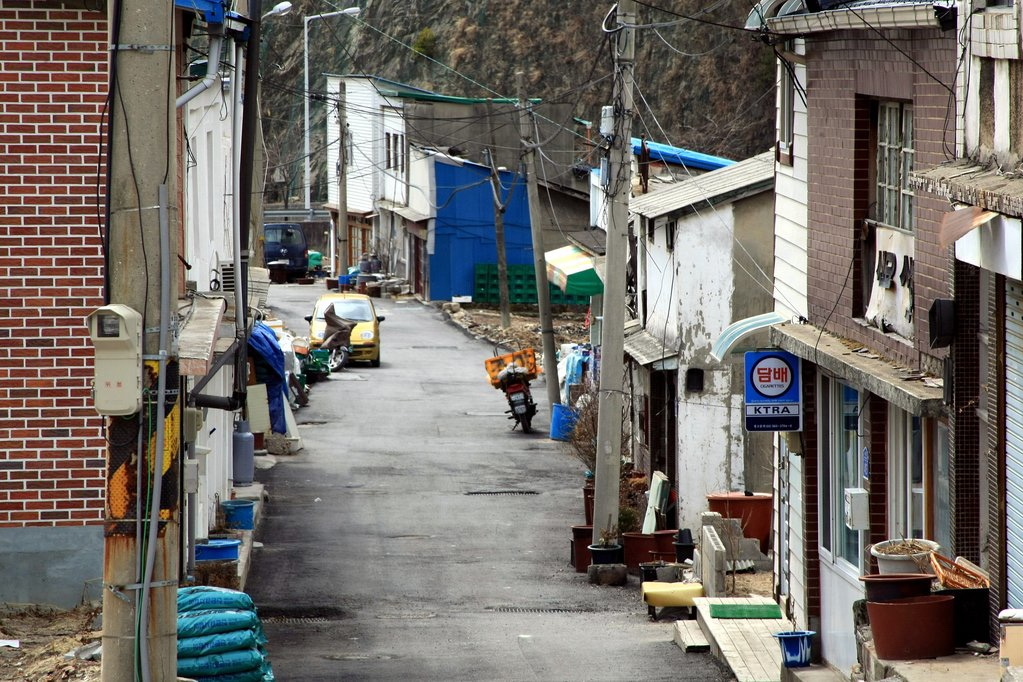
Rural areas in South Korea have traditionally been the backbone of the nation's agriculture and a reservoir of cultural heritage. However, decades of rapid industrialization and urbanization have led to a stark rural-urban divide, manifesting in economic disparities, demographic shifts, and cultural dilution. Rural development is thus not merely a matter of equitable growth but a critical pillar for national resilience. By diversifying the rural economy through initiatives like technological innovation in agriculture, promoting renewable energy, and developing eco-tourism, South Korea can mitigate the risks associated with over-centralization of economic activities in urban areas. Such diversification not only enhances national food security but also creates sustainable livelihoods, reducing the economic incentives for rural-to-urban migration. Moreover, the social fabric of rural communities, woven over generations, is at risk of unraveling as younger populations migrate to urban centers. This demographic shift threatens the continuity of traditional knowledge and practices, exacerbating social isolation among the elderly population left behind. Addressing rural development is thus imperative to foster social equity, ensuring that quality of life, access to services, and economic opportunities are not solely the privileges of urban living. The environmental sustainability of South Korea heavily relies on the conscientious development of its rural areas. Rural landscapes play a vital role in biodiversity conservation, carbon sequestration, and the maintenance of ecological balances. Sustainable rural development practices, such as organic farming and forest management, contribute significantly to the country's environmental health, offering a counterbalance to the urban industrial activities.
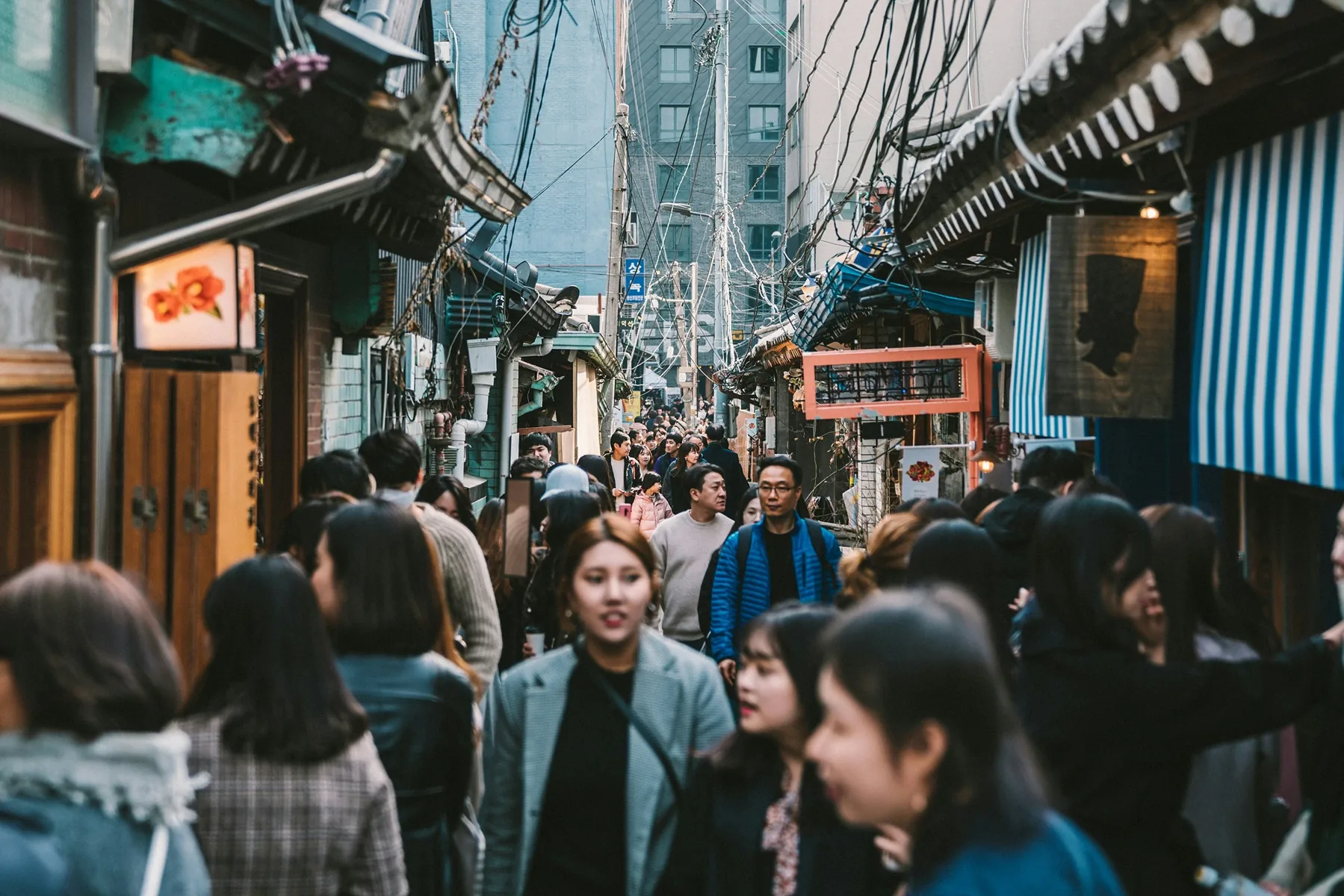
Culturally, rural South Korea is a tapestry of traditions and practices that form an integral part of the national identity. As urbanization lures younger generations away, there's a tangible threat to the continuity of this rich cultural heritage. Rural development efforts that include cultural preservation as a core component not only safeguard these traditions but also promote cultural tourism, providing a viable economic pathway for rural revitalization. The future of South Korea hinges on a strategic paradigm shift towards fostering rural-urban coexistence. This involves recognizing the interdependence of rural and urban areas and leveraging it for mutual benefit. Urban areas depend on rural regions for food, water, and ecological services, while rural areas can benefit from the technological, educational, and economic opportunities urban centers offer. Creating robust linkages between rural and urban areas through improved infrastructure, digital connectivity, and transportation networks is paramount. Such connectivity enables the flow of goods, services, and people, ensuring that rural areas are not isolated from the developmental strides made in urban settings. Furthermore, policies encouraging urban residents to engage with rural communities, whether through tourism, investment, or remote work, can infuse rural economies with new vitality.
Tackling the challenges posed by rural-to-urban migration in South Korea necessitates a holistic strategy that emphasizes the symbiosis between rural and urban realms, ensuring their mutual sustainability and prosperity. Essential to this approach is the revitalization of rural economies through significant investment in infrastructure—such as broadband internet and transportation—that would make these areas more livable and economically viable. Furthermore, by modernizing agriculture and diversifying rural economies into sectors like eco-tourism and digital services, rural areas can offer compelling livelihoods that could stem the tide of migration. Parallelly, enhancing educational and skill development opportunities tailored to the modern economy ensures rural youth are well-prepared for future challenges, reducing the necessity to migrate for better prospects. Urban-rural linkages should be strengthened, encouraging urbanites and businesses to engage with and invest in rural development, creating a circular economy that benefits the entire country. Additionally, integration programs in urban settings are crucial for the social and cultural assimilation of rural migrants, easing their transition and enriching the urban fabric with diverse cultural perspectives. This multifaceted solution not only addresses the immediate challenges associated with migration but also fosters a more balanced, sustainable development path for South Korea, ensuring that both rural and urban areas can thrive in harmony. In essence, the rural-urban coexistence framework offers a sustainable pathway to addressing the challenges posed by migration trends. It emphasizes the need for comprehensive policies that not only aim at rural development but also at integrating these efforts within a broader national development strategy. Such an approach ensures that the advancements in urban areas do not come at the expense of rural communities but rather, that development is a shared, inclusive journey.
In conclusion, rural development in South Korea is a critical national priority that demands concerted efforts across economic, social, environmental, and cultural domains. The challenges of urbanization and migration present an opportunity to reimagine rural-urban relations, emphasizing coexistence and mutual support. By investing in rural areas and creating conducive linkages with urban centers, South Korea can ensure a balanced, sustainable development trajectory that honors its heritage and secures a prosperous future for all its citizens.