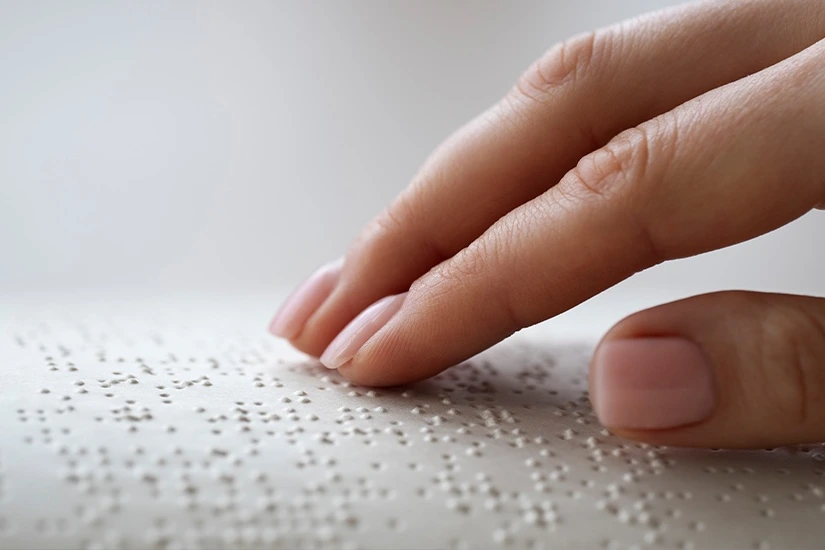
Through Their Eyes: The Vision of Sightless Photographers
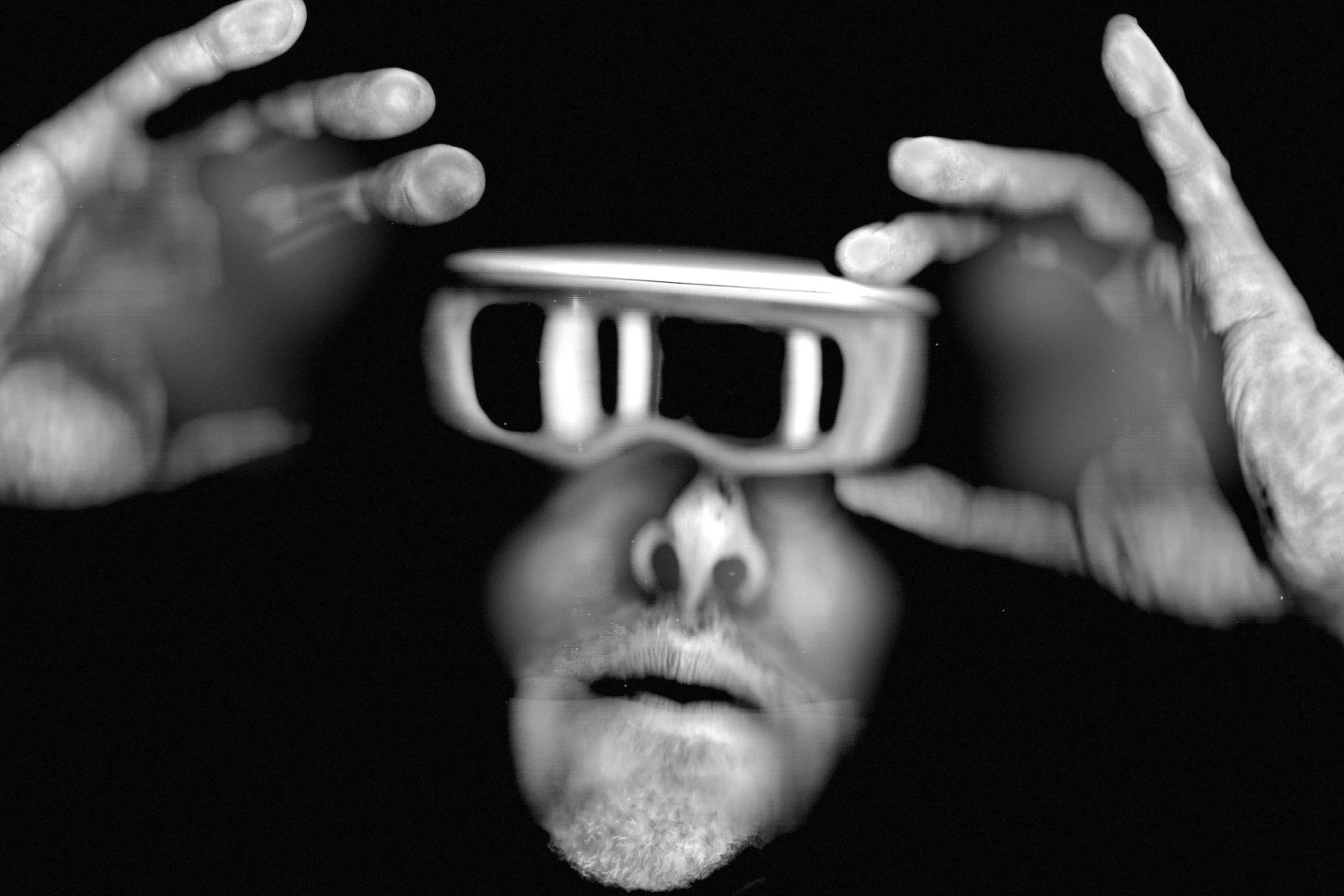
When we think of photography, we often imagine a person meticulously adjusting focus, framing a subject, and capturing the perfect shot—all through the lens of sight. But what happens when the photographer is blind? What does it mean to “see” the world without vision and yet still create images that tell powerful, emotional stories? Welcome to the extraordinary world of blind photographer artists who break barriers, challenge perceptions, and redefine what it means to create visual art.
Beyond Sight: Challenging Misconceptions
Blind photographers challenge one of the most deeply held assumptions in visual art—that vision is necessary to create. Society often places people with disabilities into narrow categories, underestimating their capabilities. Yet, through creative techniques, touch, sound, and intuition, blind photographers demonstrate that photography is not only about sight—it is about perception, emotion, and storytelling.
By embracing other senses and tools like audio cues, tactile feedback, or verbal guidance, these photographers compose images that reflect their understanding of the world. The process becomes less about visual precision and more about expression—transforming the camera into an extension of their inner vision.
Seeing Through Emotion and Memory
What makes a photograph powerful isn’t just its clarity or symmetry, but the story it tells. Blind photographers often rely on emotional cues and spatial awareness to express those stories. They may remember how a place felt, how a conversation sounded, or how light warmed their skin. These sensations are then captured as moments, framed by intuition and edited with heart. In a sense, their work asks viewers to step away from seeing with their eyes and start feeling with their hearts. And in doing so, they create a deeper connection with their audience—one rooted in shared human experience.
Tools That Empower the Visionless
Advances in technology have also played a major role in empowering blind photographers. Talking cameras, GPS-enabled devices, screen readers, and tactile sensors have made it possible for people without sight to navigate the complex world of photography. With support from inclusive design, blind artists can now access editing software, organize their portfolios, and even exhibit their work to the public. But more than technology, it is community support and recognition that fuels their creativity. Workshops, photography programs, and exhibitions celebrating blind photographers have emerged worldwide, giving them space to grow, share, and inspire.

Redefining Art and Ability
Blind photographers are not defined by what they lack—they are defined by the vision they offer. Their work asks us to rethink the boundaries of art and to broaden our understanding of ability. They remind us that creativity knows no limits, and that every person, regardless of their physical capabilities, has a story worth telling. Their work is a powerful act of advocacy, silently yet boldly stating: “We are here. We are artists. We have vision.”
In conclusion
To view the world through the eyes of a blind photographer is to learn how to see again. Not just with your eyes, but with your soul. Their art teaches us that vision is not simply what we see, but how we feel, how we imagine, and how we connect. So the next time you look at a photo taken by someone who cannot see, remember: you are witnessing a vision far deeper than sight it’s a glimpse into the courage, creativity, and soul of a remarkable artist.
References
- newyorker.com+3en.wikipedia.org+3assistivetechnologyblog.com+3
- en.wikipedia.org+12peteeckert.com+12thephotoargus.com+12가디언
- +2squarecylinder.com+2en.wikipedia.org+2