Breaking Barriers: Supporting People with Disabilities in South Korea
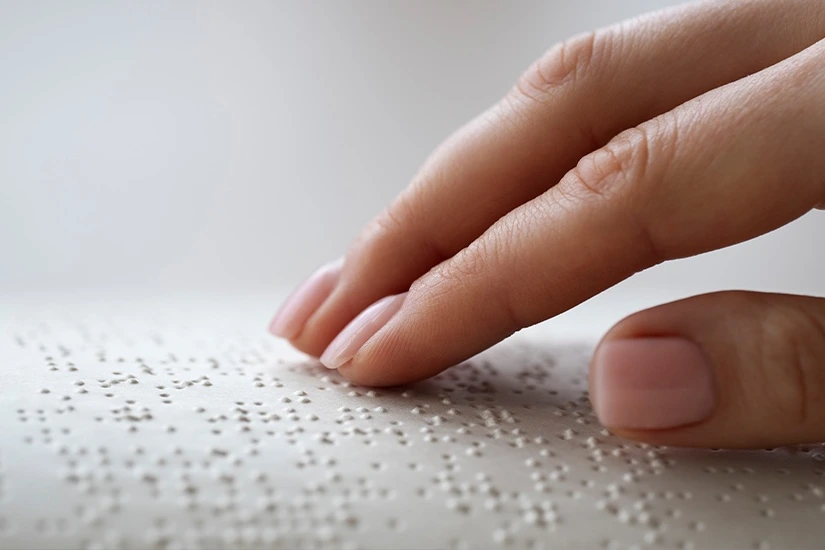
Imagine a world where a visually impaired artist transforms everyday struggles into breathtaking masterpieces, or a young student with cerebral palsy not only excels in academics but inspires a community by completing a marathon. These examples are not far-fetched; they are happening every day. People with disabilities bring extraordinary resilience, creativity, and determination to our communities, reshaping perceptions and enriching society as a whole.
In South Korea, significant strides have been made to support individuals with disabilities. From accessible education and leadership opportunities to inclusive housing and policies, progress is evident. However, challenges remain, particularly in rural areas and for underrepresented groups. This article delves into five critical areas; scholarships, leadership, housing, education, and policies to highlight both achievements and areas for improvement. Along the way, we celebrate the exceptional qualities that individuals with disabilities contribute to our world and explore how we can build a future where everyone thrives.
The Unique Strengths of People with Disabilities
People with disabilities often develop exceptional skills that benefit everyone around them. For example, their problem-solving abilities arise from tackling daily challenges with creativity. Consider a young professional who, despite being visually impaired, uses adaptive technology to excel in graphic design proving that limitations can foster innovation. Their perseverance and resilience inspire others; a university student with cerebral palsy who completes a marathon exemplifies sheer determination. Moreover, their empathy, cultivated through personal struggles, nurtures more compassionate communities. These traits of adaptability, empathy, resilience, and ingenuity are invaluable in schools, workplaces, and broader society.
Scholarships: Opening Doors to Education
Education is a cornerstone of opportunity, and South Korea has programs to ensure students with disabilities can achieve their dreams. The Korea Disabled Students Scholarship covers tuition, living expenses, and assistive technology, such as voice recognition software for students with hearing impairments. Universities like Yonsei and Korea University also offer tailored scholarships. Additionally, corporations such as Samsung and The Beautiful Foundation fund vocational training programs, helping students transition into rewarding careers. One example is Kim Min-Jae, a scholarship recipient who, with the aid of adaptive tools, graduated with honors in engineering and now develops mobility aids for others.
Leadership: Empowering Advocates for Change
Leadership programs in South Korea equip individuals with disabilities to become advocates and decision-makers. The Disabled Persons Employment and Development Institute provides training in public speaking and policy advocacy. Government initiatives actively include individuals with disabilities in advisory committees to ensure their voices influence national policies. For instance, Park Ji-Hoon, a wheelchair user and policy advisor, has successfully championed improved public transportation accessibility. Mentorship programs further empower the next generation, pairing aspiring leaders with accomplished mentors who guide them in achieving their goals.
Housing: Creating Accessible and Inclusive Homes
A safe and accessible home is essential for everyone. South Korea’s barrier-free housing initiatives include features like ramps, elevators, and widened doorways. Subsidized housing programs make homeownership attainable for low-income individuals with disabilities, while assisted living facilities offer tailored support for those requiring additional care. However, disparities persist, particularly in rural areas. For instance, while Seoul offers extensive accessible housing options, smaller towns often lack resources, leaving families like the Lees, who care for a child with muscular dystrophy, struggling to find suitable accommodations. Bridging this urban-rural gap is crucial.
Education: Building an Inclusive System
South Korea’s education system has evolved to embrace students with disabilities. Many schools now implement Individualized Education Plans (IEPs) to tailor learning experiences. Technologies such as screen readers and hearing aids have transformed classrooms, enabling students like Hyun-Jung, a high schooler with hearing loss, to excel academically. Special education schools offer customized programs, while teacher training ensures that educators can effectively support diverse learners. These initiatives create a more inclusive environment, fostering opportunities for every student to succeed.
Policies: Laying a Strong Foundation for Equality
Progressive policies have laid the groundwork for disability inclusion in South Korea. The Disability Discrimination Act prohibits unfair treatment, while workplace quotas encourage companies to hire employees with disabilities, fostering diversity. South Korea’s commitment to the UN Convention on the Rights of Persons with Disabilities underscores its dedication to international standards. Financial assistance programs, such as monthly stipends, alleviate living costs. Yet, enforcement remains a challenge; rural areas and marginalized groups often struggle to access these benefits fully. Strengthening oversight can ensure that support reaches everyone in need.
A Call to Action
South Korea has made significant advancements in addressing the needs of people with disabilities. Scholarships, leadership initiatives, housing programs, inclusive education, and robust policies have opened doors to new opportunities. At the same time, it is essential to celebrate their unique strengths like resilience, empathy, and creativity that enrich our communities. Looking ahead, the journey toward full inclusion requires ongoing commitment from policymakers, educators, employers, and society at large. By amplifying the voices of individuals with disabilities, investing in equitable solutions, and bridging existing gaps, South Korea can create a society that truly values diversity and equal opportunity. The contributions of people with disabilities remind us that overcoming barriers is not just about removing obstacles but also about unlocking human potential. Together, we can build a future where everyone, regardless of ability, can thrive, inspire, and lead the way toward a more inclusive world.
References
- https://learningportal.iiep.unesco.org/en/issue-briefs/improve-learning/disability-inclusive-education-and-learning?utm_source=chatgpt.com
- https://www.oecd.org/en/publications/disability-work-and-inclusion_1eaa5e9c-en.html?utm_source=chatgpt.com
- https://www.worldbank.org/en/topic/socialsustainability/brief/inclusive-education-initiative-transforming-education-for-children-with-disabilities?utm_source=chatgpt.com