Trump’s Tariff Escalation: A New Trade War Unfolds
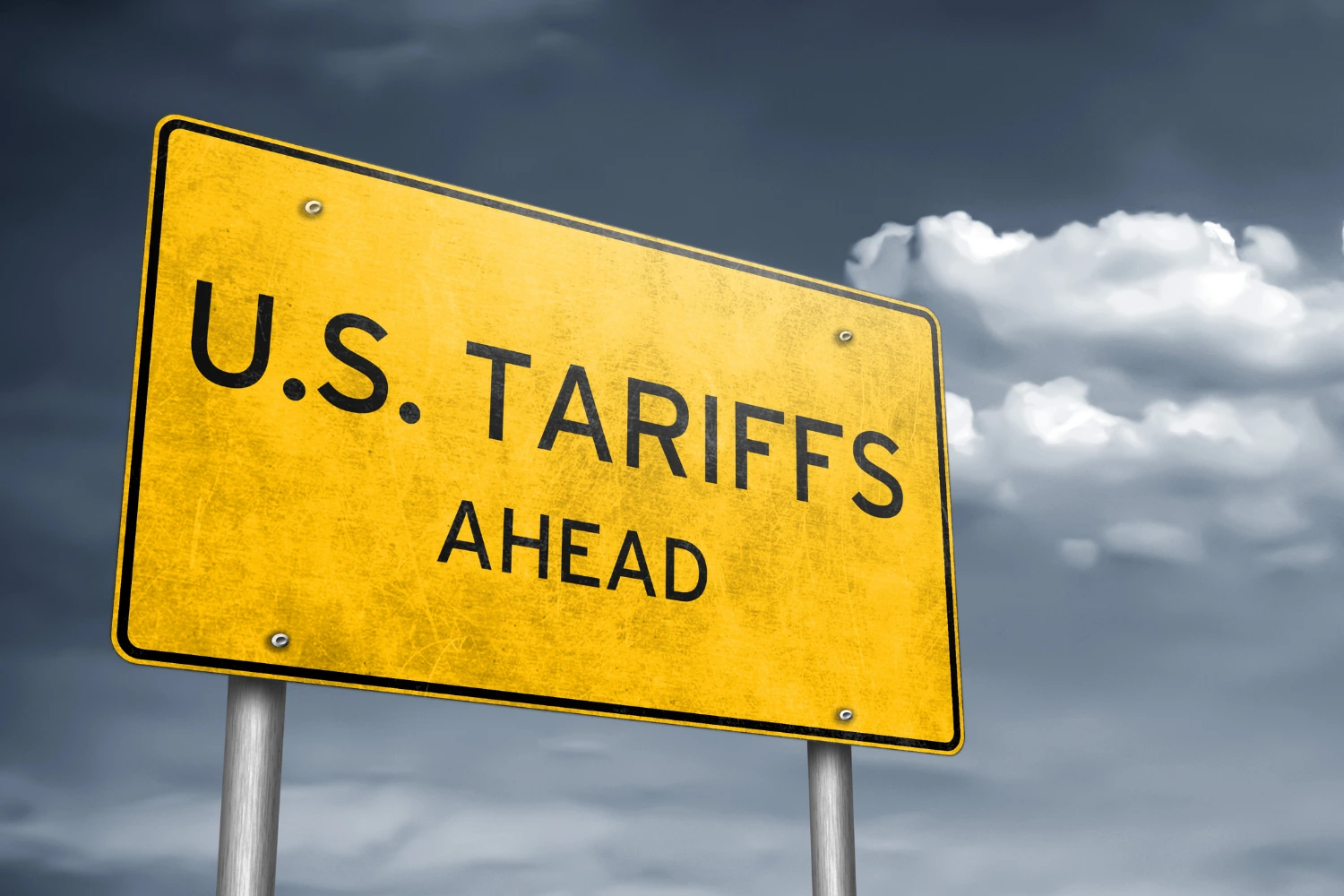
In a move that has sparked international tension and economic uncertainty, President Donald Trump has escalated tariffs against key U.S. trading partners, reigniting concerns of a global trade war. The administration's recent decisions have targeted Canada, Mexico, China, and the European Union, with significant implications for global markets, American businesses, and diplomatic relations.
Tensions with Canada and Mexico
On February 1, 2025, President Trump imposed a 25% tariff on imports from Canada and Mexico, citing concerns over illegal immigration and drug trafficking. While the move was framed as a national security measure, it quickly drew criticism from North American neighbors. Canada responded with a 25% retaliatory tariff on $20 billion worth of U.S. goods, including steel, aluminum, and agricultural products. Mexico followed suit with tariffs on American pork, dairy, and corn.
In an effort to avoid a prolonged trade conflict, negotiations took place throughout February. However, the talks failed to yield an agreement, and on March 4, 2025, the tariffs went into effect. Both Canada and Mexico are exploring alternative trade alliances, with Canada strengthening ties with the EU and Mexico seeking partnerships with South American countries. The economic impact is expected to hit industries reliant on cross-border supply chains the hardest, including the automotive and agricultural sectors.
China: A Renewed Trade Battle
The U.S.-China trade war, previously de-escalated following a phase-one deal, has reignited with a 20% tariff on Chinese imports. This measure targets a wide range of goods, from electronics to textiles. In response, Chinese officials have accused the Trump administration of "economic aggression" and are actively pursuing trade partnerships with Southeast Asian markets.
U.S. companies have been forced to adapt to these new tariffs in various ways. Some are negotiating price reductions with Chinese suppliers, while others are shifting manufacturing to alternative markets like Vietnam and India. Retailers such as Williams-Sonoma have focused on reducing their reliance on Chinese imports and are boosting domestic production to mitigate the rising costs.
European Union: A Threat to Key Industries
In addition to actions against North America and China, President Trump announced a 25% tariff on imported automobiles and parts from the EU. This move has created a significant rift between the U.S. and its long-standing allies in Europe.
The European automotive industry, particularly German manufacturers like BMW and Volkswagen, faces a severe financial blow. In response, EU leaders are considering imposing tariffs on major U.S. exports such as agricultural products, whiskey, and technology.
Moreover, President Trump has threatened additional tariffs on EU nations if they collaborate with Canada or Mexico to undermine U.S. economic dominance. European officials are reportedly developing contingency plans, including increased defense spending and trade alliances with Asia to reduce dependence on American markets.
Domestic Reactions and Political Fallout
The tariffs have divided public opinion within the United States. Supporters of President Trump view the move as a necessary measure to protect American jobs and curb unfair trade practices. CNBC host Jim Cramer voiced strong support for the tariffs, calling them a "bold and necessary" step in revitalizing American manufacturing. Critics, however, warn that the tariffs risk backfiring by raising consumer prices, straining diplomatic relations, and destabilizing industries reliant on global supply chains.
Farmers have expressed growing concerns about the loss of export markets, particularly with China and Mexico imposing retaliatory tariffs on American agricultural products. Additionally, industries dependent on imported materials, such as construction and manufacturing, face rising costs that may result in job losses and delayed projects.
Economic and Consumer Impact
Financial analysts have warned that the tariffs could increase consumer prices across multiple sectors. The 25% tariff on auto imports, for example, is expected to significantly raise vehicle prices for American consumers. The retail sector may also see price hikes on household goods, electronics, and clothing, adding to inflation concerns.
Small businesses reliant on imported components are facing difficult decisions regarding whether to absorb costs or pass them on to consumers. As companies adjust their supply chains and explore new partnerships, some warn that economic instability may persist for months to come.
Global Trade and Diplomatic Ramifications
Internationally, these escalating tariffs are straining diplomatic relations with U.S. allies. Canadian Prime Minister Mark Carney has declared that the "old relationship" with the United States is over, signaling a shift toward closer ties with Europe and Asia. Meanwhile, European Union leaders are strategizing ways to lessen their reliance on U.S. trade partnerships while promoting domestic innovation and industry.
China is aggressively pursuing new trade agreements with emerging markets in Southeast Asia, hoping to offset the impact of U.S. tariffs. The ripple effects are creating opportunities for regional economies to expand their trade networks in response to shifting global dynamics.
Looking Ahead
As the situation continues to evolve, analysts warn that prolonged tariff battles could destabilize global markets and diminish investor confidence. The Trump administration maintains that its policies are designed to encourage fairer trade practices, yet critics argue that the strategy risks isolating the United States and damaging economic growth.
With tensions mounting, businesses, consumers, and global leaders are watching closely to see how this high-stakes economic standoff will unfold in the months ahead.



