Taliban Takeover of Afghanistan Brings Uncertainty to the Region
Introduction
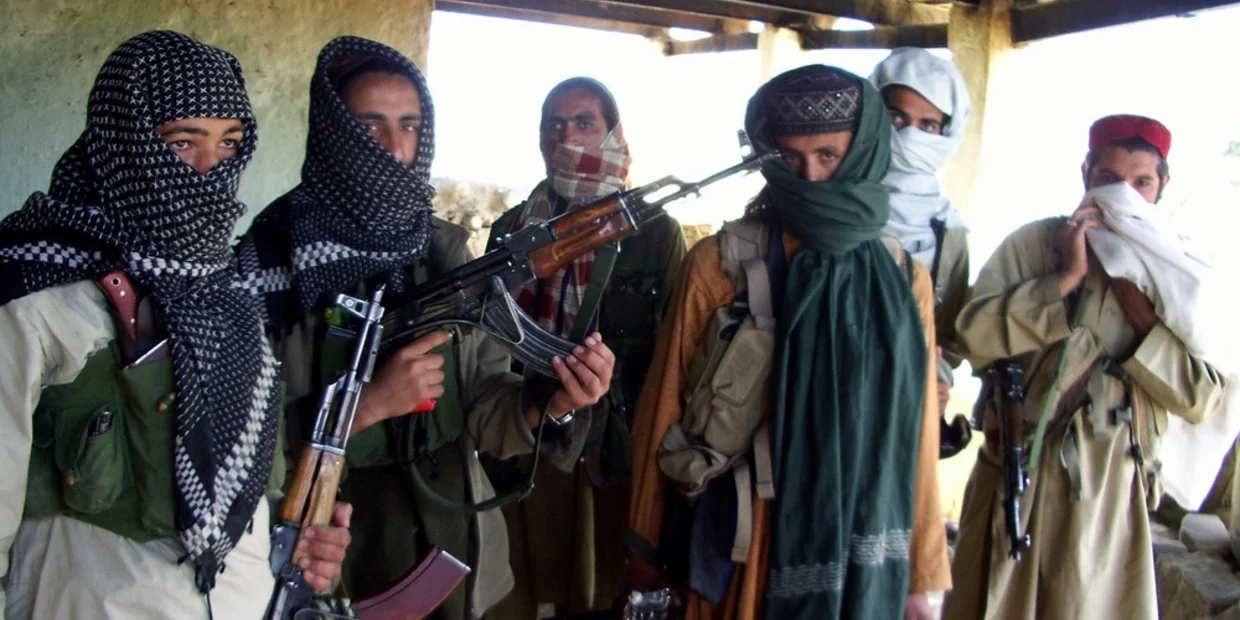
The Taliban's swift takeover of Afghanistan in 2021 has significant implications for the country and the wider region. The sudden collapse of the Afghan government has raised concerns about the security situation in the country and the future of its people. This report analyzes the regional implications of the Taliban's return to power, including the potential impact on neighboring countries, refugees, and the fight against terrorism.
Destabilization of Neighboring Countries: The Risk Posed by the Taliban's Resurgence
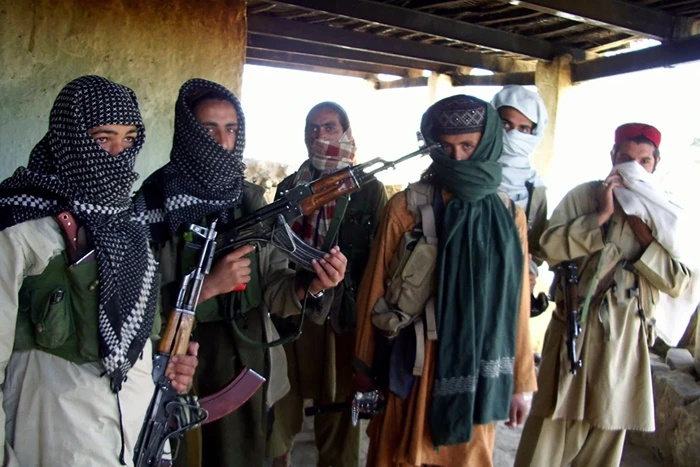
The Taliban's return to power in Afghanistan has the potential to destabilize neighboring countries. Pakistan, in particular, has a significant stake in the situation in Afghanistan, with a long and porous border with the country. The Taliban's presence in Afghanistan could provide support for militant groups operating in Pakistan, such as the Tehrik-i-Taliban Pakistan (TTP), which has already carried out attacks in the country. The situation in Afghanistan could also have an impact on Iran, which shares a long border with the country. Iran has already seen an influx of Afghan refugees and is concerned about the potential spread of extremism.
Source: CNN
A Looming Refugee Crisis
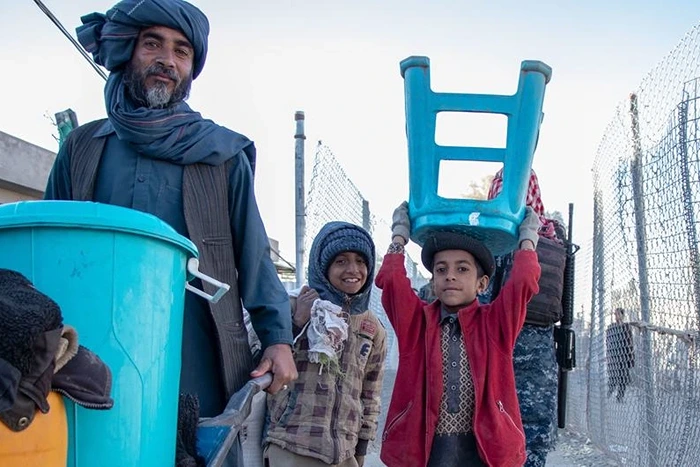
The Taliban's swift takeover of Afghanistan in August 2021 has triggered a massive displacement crisis, with millions of Afghans forced to flee their homes in search of safety and security. According to the United Nations High Commissioner for Refugees (UNHCR), an estimated 5.5 million Afghans have been displaced due to conflict and insecurity, with over 2.2 million seeking refuge in neighboring countries.
Source: United Nations News
Iran and Pakistan have borne the brunt of the refugee crisis, with Iran hosting an estimated 2.5 million Afghans, and Pakistan hosting over 1.4 million registered refugees, making it the world's largest host of refugees. However, these figures do not include unregistered Afghans who may be living in these countries, which are estimated to be much higher.
The sudden influx of refugees has put a significant strain on the host countries' resources and infrastructure, particularly in terms of access to basic services such as housing, education, and healthcare. For example, in Pakistan's Khyber Pakhtunkhwa province, which borders Afghanistan, over 70% of Afghan refugee children are out of school, according to the UNHCR. Additionally, Afghan refugees in Iran face challenges such as lack of access to legal employment, housing, and healthcare.
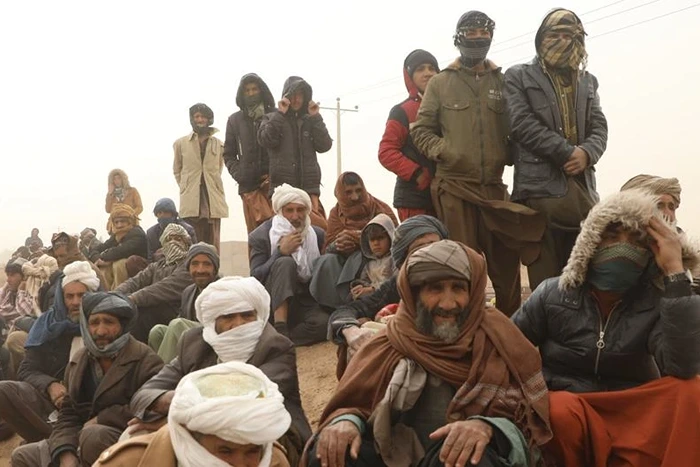
The refugee crisis caused by the Taliban's takeover of Afghanistan has significant implications for the stability of the region. The sudden influx of refugees has the potential to exacerbate tensions between host communities and refugees, particularly in countries like Pakistan, which have already been hosting large numbers of Afghan refugees for decades. For instance, there have been reports of increased harassment and discrimination against Afghan refugees in Pakistan, as well as clashes between Afghan refugees and the local population.
Furthermore, the refugee crisis could have long-term economic implications for the host countries, which may struggle to provide basic services and infrastructure to the growing population of refugees. This could lead to increased competition for jobs and resources, exacerbating social tensions and potentially fueling conflict in the region.
Source: United Nations News
Finally, the refugee crisis could have far-reaching consequences beyond the region, with the global community being called upon to provide humanitarian assistance to those affected by the conflict. However, donor countries and international organizations may struggle to provide adequate assistance, given the scale of the crisis and the strain it places on resources. For example, the UNHCR has called for $1.3 billion in aid to address the immediate needs of Afghan refugees, but only 40% of this funding has been secured so far.
Impact on Counterterrorism Efforts
The Taliban's return to power in Afghanistan has significant implications for the fight against terrorism. The group has long been linked to terrorist activities, including the harboring of Al-Qaeda prior to the 9/11 attacks. The Taliban has been designated as a terrorist organization by many countries, including the United States, the United Kingdom, Canada, and Australia.
One of the most significant implications of the Taliban's return to power is the potential for Afghanistan to once again become a safe haven for terrorist groups. According to a report from the United Nations Security Council, the Taliban was responsible for more civilian casualties in Afghanistan in 2020 than any other group. While the Taliban has publicly stated that it will not allow Afghanistan to be used as a base for terrorist groups, concerns remain about the group's true intentions and its ability to control extremist elements within its ranks. In the past, the group has provided shelter and support to groups like Al-Qaeda and the Haqqani network.
The Taliban's return to power could also have wider implications for the fight against terrorism. The group's resurgence could embolden other extremist groups, such as ISIS and Al-Qaeda, who may see the Taliban's success as a sign that their own efforts to establish a caliphate or other form of extremist governance can also succeed. This could lead to an increase in terrorist activity around the world, as these groups seek to capitalize on the Taliban's success and expand their influence. For example, ISIS-Khorasan, a branch of ISIS operating in Afghanistan, has already claimed responsibility for several attacks in the country since the Taliban takeover.
In addition, the situation in Afghanistan could have implications for the broader international community's efforts to combat terrorism. The United States and its allies have invested significant resources and manpower in the fight against terrorism over the past two decades, and the Taliban's return to power raises questions about the effectiveness of these efforts. Some may argue that the United States and its allies have failed to achieve their objectives in Afghanistan, and that the Taliban's return to power is a clear indication of this failure. The situation in Afghanistan has already had an impact on counterterrorism efforts in the region. For example, the United States has suspended drone strikes in Afghanistan, which were a key tool in the fight against terrorist groups.
There are concerns that the Taliban's return to power could lead to a resurgence of terrorist activity in neighboring countries, such as Pakistan. The Taliban has strong ties to extremist groups operating in Pakistan, and some experts worry that the group's success could inspire similar movements in the region. The Taliban's takeover of Afghanistan has also created a refugee crisis, with thousands of Afghans fleeing the country in search of safety. This could have implications for counterterrorism efforts, as displaced individuals may be more vulnerable to radicalization by extremist groups.
Overall, the impact of the Taliban's return to power on the fight against terrorism is complex and multifaceted. While the group has made pledges to prevent Afghanistan from becoming a safe haven for terrorist groups, there are concerns about its ability to follow through on these promises. The situation in Afghanistan could also have broader implications for the fight against terrorism, both in the region and around the world. The international community will need to remain vigilant in monitoring the situation and ensuring that the Taliban lives up to its commitments. At the same time, efforts to combat terrorism will need to continue, with a focus on preventing other extremist groups from capitalizing on the Taliban's success and expanding their influence around the world.
China and Russia's Role in the Taliban's Return
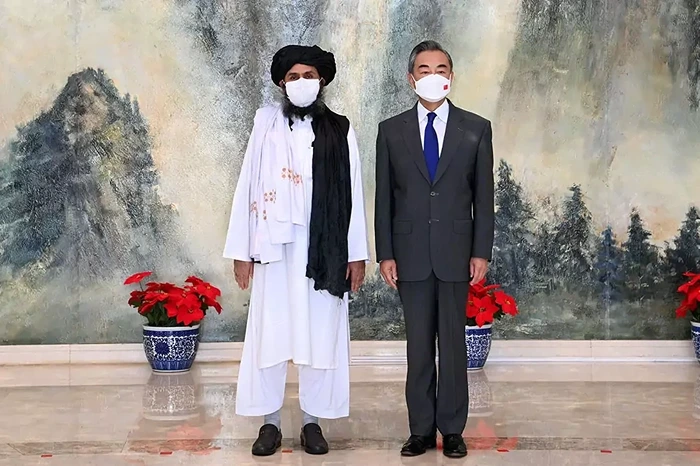
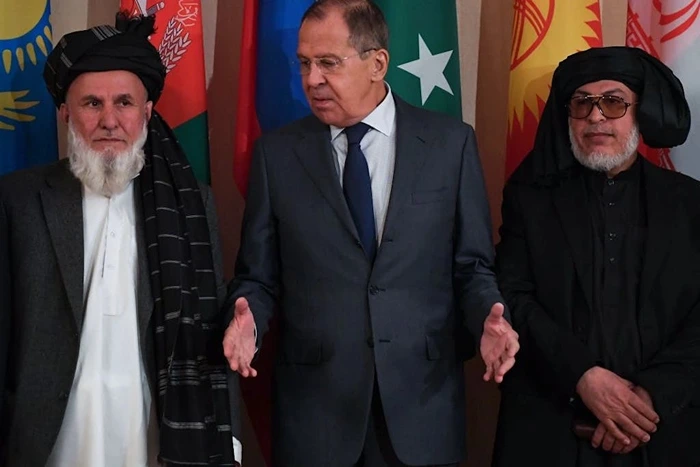
The Taliban's return to power in Afghanistan has not only raised concerns about the future of the country but also about the role that foreign powers such as China and Russia will play in the region. Both countries have previously maintained contacts with the Taliban and have expressed a willingness to cooperate with the group. However, their involvement raises questions about the implications for the fight against terrorism and regional stability.
Source: Reuters in Council on Foreign Relations
China has been particularly vocal about its stance on the Taliban's return to power. The country has called for an "open and inclusive" government in Afghanistan and has offered economic assistance to the country. This is consistent with China's broader foreign policy goals, which prioritize stability and economic development in neighboring countries. However, China is also concerned about the potential for the East Turkestan Islamic Movement (ETIM), a Uighur separatist group, finding safe haven in Afghanistan. ETIM has been designated as a terrorist organization by both China and the United States, and China worries that the group could launch attacks on Chinese targets from Afghanistan.
Russia has also expressed a willingness to cooperate with the Taliban and has suggested that the group could play a role in maintaining stability in Afghanistan. Russia's involvement in the region is motivated by a desire to prevent the spread of terrorism and instability to its own borders. However, the country has also expressed concerns about the potential for increased terrorism and instability in the region. Russia worries that the Taliban's resurgence could lead to an increase in drug trafficking and other criminal activity in the region, which could spill over into Russia.
Source: CNN
The role of China and Russia in the Taliban's return to power has broader implications for the region and the world. Some experts argue that the involvement of these countries could complicate efforts to combat terrorism and promote stability in the region. China's economic assistance to Afghanistan could help to stabilize the country, but it could also provide the Taliban with the resources it needs to consolidate its power and strengthen its ties with other extremist groups. Russia's cooperation with the Taliban could help to prevent the spread of terrorism in the region, but it could also signal a shift in the country's foreign policy priorities away from the West and towards the East.
Conclusion
The Taliban's takeover of Afghanistan has brought uncertainty to the region, with potential implications for neighboring countries, refugees, and the fight against terrorism. The international community must work together to address these issues and prevent further destabilization in the region. The situation in Afghanistan is complex, and the path forward is uncertain, but it is essential that we remain vigilant and address the challenges ahead.
References
- Al Jazeera. (2021, August 16). Pakistan's Afghanistan dilemma. Retrieved from https://www.aljazeera.com/news/2021/8/16/pakistans-afghanistan-dilemma.
- Al Jazeera. (2021, August 17). Taliban take Afghanistan: What is the group's history? Retrieved from https://www.aljazeera.com/news/2021/8/17/taliban-take-afghanistan-what-is-the-groups-history.
- BBC News. (2021, August 15). Afghanistan: Taliban take control of Kabul as president flees. Retrieved from https://www.bbc.com/news/world-asia-58223185.
- CNN. (2018, November 9). Russia-Taliban talks: What the US and Afghan government are saying. Retrieved from https://edition.cnn.com/2018/11/09/europe/russia-taliban-talks-intl/index.html.
- CNN. (2022, December 15). The Taliban's ties to Afghan and Pakistani terror groups are America's problem too. Retrieved from https://edition.cnn.com/2022/12/15/middleeast/taliban-afghan-pakistan-ttp-americas-problem-intl-hnk/index.html.
- Council on Foreign Relations. (2021, August 25). China's Deal With the Taliban. Retrieved from https://www.cfr.org/in-brief/china-afghanistan-deal-with-taliban.
- India Today. (2021, August 16). Afghanistan crisis: Why the Taliban takeover is dangerous for India. Retrieved from https://www.indiatoday.in/india/story/afghanistan-crisis-why-taliban-takeover-dangerous-for-india-1847537-2021-08-16.
- The Economic Times. (2021, August 17). Taliban Takeover in Afghanistan: Pakistan, China, Russia and Iran's response. Retrieved from https://economictimes.indiatimes.com/news/international/world-news/taliban-takeover-in-afghanistan-pakistan-china-russia-and-irans-response/articleshow/85341128.cms.
- The Guardian. (2021, August 16). China, Russia and Iran rush to recognise Taliban as legitimate rulers of Afghanistan. Retrieved from https://www.theguardian.com/world/2021/aug/16/china-russia-and-iran-rush-to-recognise-taliban-as-legitimate-rulers-of-afghanistan.
- United Nations News. (2022, February 16). Taliban must act against terrorism, drug trafficking to gain international legitimacy: UN envoy. Retrieved from https://news.un.org/en/story/2022/02/1111532.



