Caught in the Crossfire: An Analysis of the Armenia-Azerbaijan Border Crisis
Introduction
The Armenia-Azerbaijan border crisis has been one of the most significant geopolitical events in the South Caucasus region in recent years. The conflict, which started in September 2020, has had far-reaching implications for regional security and stability, as well as for global politics. This paper will analyze the impact of the Armenia-Azerbaijan border crisis on regional security and stability, with a focus on the responses of regional actors. Specifically, the essay will provide a comparative analysis of the responses of Azerbaijan, Armenia, Russia, Turkey, Iran, and international organizations, such as the OSCE, UN, EU, and NATO. It will argue that the Armenia-Azerbaijan border crisis has had a significant impact on regional security and stability, and the responses of regional actors have varied depending on their interests, alliances, and priorities. By examining the similarities and differences in regional actors' responses, one will evaluate the effectiveness of responses in resolving the crisis and promoting peace and stability.
Impact of the Armenia-Azerbaijan Border Crisis on Regional Security and Stability
The Armenia-Azerbaijan border crisis has been a long-standing conflict that has escalated several times over the past decades. The Nagorno-Karabakh region, at the heart of the conflict, has been the subject of disputes since the collapse of the Soviet Union, with both Armenia and Azerbaijan claiming sovereignty over the territory. The conflict reached its most recent peak in September 2020 when Azerbaijan launched a military offensive to retake control of the region, leading to a six-week war that caused significant human casualties and displacement. According to the Armenian side, the conflict led to the death of more than 5,000 people, including civilians, while Azerbaijan reported around 3,000 deaths.
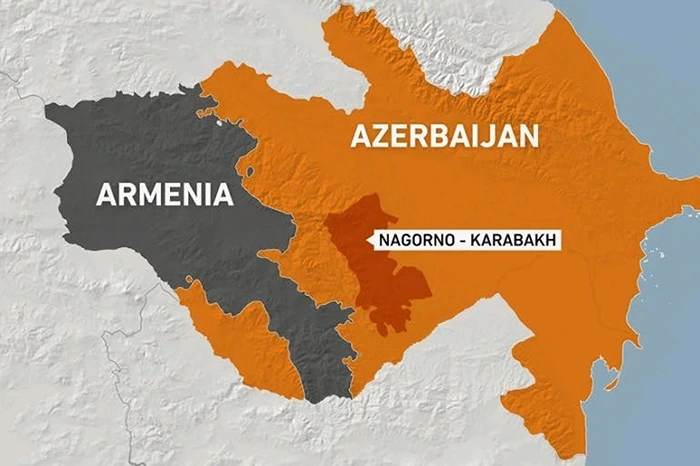
Source: Al Jazeera
The Armenia-Azerbaijan border crisis has had significant implications for regional security and stability, including the risk of conflict escalation. The conflict has already led to a significant loss of human life and property, and if not contained, it could potentially trigger a broader conflict involving regional actors. For example, the conflict has drawn in Turkey, which has provided military support to Azerbaijan, and Russia, which has a military base in Armenia and brokered the ceasefire agreement in November 2020. Additionally, Iran, which borders both Armenia and Azerbaijan, has expressed concerns about the conflict's potential spillover effects.
The conflict has also created a security vacuum in the region, which could be exploited by terrorist groups or other non-state actors. For instance, in October 2020, Armenia accused Turkey of transporting Syrian mercenaries to fight on the Azerbaijani side, which if true, could indicate the potential for foreign fighters to enter the region. Furthermore, the conflict has displaced thousands of people, creating a humanitarian and security challenge. According to the UN, as of November 2020, around 100,000 people had been displaced by the conflict, with many of them living in precarious conditions.
The Armenia-Azerbaijan border crisis has resulted in significant economic implications for the South Caucasus region, particularly affecting trade, energy, and infrastructure. Disruptions to regional transportation routes, including the major East-West corridor connecting Europe and Asia, have increased costs and delays for businesses, causing significant economic disruption in the region.
Moreover, the conflict has had implications for the energy sector, as Azerbaijan plays a critical role as a major energy exporter to Europe. The shutdown of the Baku-Tbilisi-Ceyhan pipeline, which transports Azerbaijani oil to the Mediterranean, due to the conflict, has disrupted energy supplies to Europe, and has caused significant economic losses for Azerbaijan, which heavily relies on its energy exports.
Furthermore, the conflict has led to damage to critical infrastructure, such as roads, bridges, and power plants. The destruction of infrastructure has created further economic disruptions, with significant costs for reconstruction and repair. The damage to infrastructure has also caused significant environmental damage, with oil spills and other forms of pollution affecting the region's ecosystems and biodiversity.
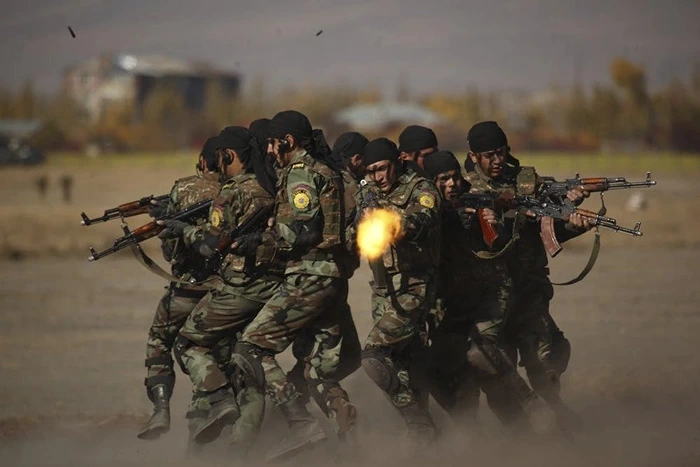
Source: AP News
The Armenia-Azerbaijan border crisis has had significant humanitarian implications, including displacement, refugees, and human rights violations. As of November 2020, around 100,000 people had been displaced by the conflict, creating a significant strain on the region's humanitarian resources. Many of these displaced individuals lack basic necessities such as food, shelter, and medical care.
Furthermore, the conflict has created a significant refugee crisis, with many people fleeing the violence and seeking refuge in neighboring countries, including Armenia and Georgia. The influx of refugees has put a significant strain on these countries' resources, which are already facing economic and political challenges.
Additionally, the conflict has led to human rights violations, including the targeting of civilians and the destruction of cultural heritage sites. Both Armenia and Azerbaijan have been accused of targeting civilians, with reports of indiscriminate shelling and other forms of violence. The conflict has also led to the destruction of cultural heritage sites, such as the historic city of Shusha, recently recaptured by Azerbaijan.
Regional Actors' Responses to the Armenia-Azerbaijan Border Crisis
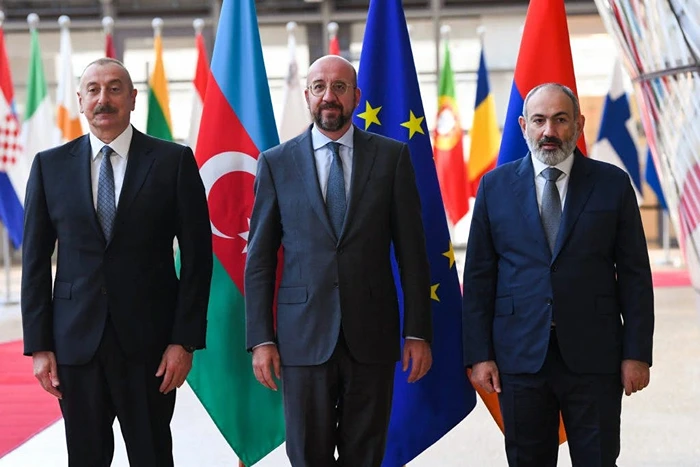
The Armenia-Azerbaijan border crisis has triggered different responses from various regional actors, each with their strategic interests and priorities.
Source: Armenian Weekly
Azerbaijan's Response
Azerbaijan's response to the Armenia-Azerbaijan border crisis has been characterized by a military intervention aimed at regaining control over the Nagorno-Karabakh region, which had been under Armenian control since the early 1990s. The military operation, launched in September 2020, resulted in significant territorial gains for Azerbaijan, which recaptured several towns and cities in Nagorno-Karabakh.
In addition to military action, Azerbaijan has also made diplomatic efforts to gain support from the international community. Azerbaijan has emphasized its position as the aggrieved party, arguing that Armenia's occupation of Nagorno-Karabakh and surrounding territories is a violation of international law. Azerbaijan has sought to gain support for its position by engaging with international organizations, such as the United Nations and the Organization for Security and Co-operation in Europe.
Armenia's Response
Armenia's response to the Armenia-Azerbaijan border crisis has been characterized by military defense aimed at protecting Armenian-controlled territory in Nagorno-Karabakh. The Armenian military launched counter-attacks against Azerbaijani forces, resulting in significant casualties on both sides.
Armenia has also sought international support for its position, arguing that the conflict is the result of Azerbaijani aggression and a violation of the right to self-determination of the Nagorno-Karabakh population. Armenia has sought to gain support from regional and international actors, including Russia, the European Union, and the United States.
Furthermore, Armenia has engaged in political negotiations aimed at finding a diplomatic solution to the conflict. Armenia has been willing to engage in negotiations, but has insisted on the participation of the Nagorno-Karabakh authorities in any settlement talks, a demand that Azerbaijan has rejected.
Russia's Response
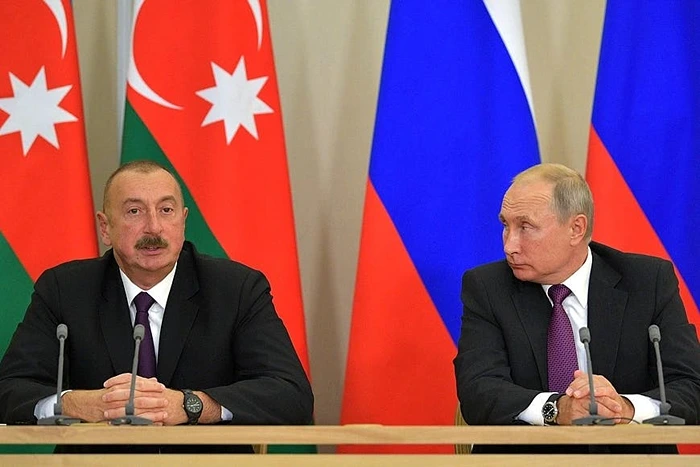
Russia's response to the Armenia-Azerbaijan border crisis has been characterized by a peacekeeping mission aimed at maintaining a ceasefire and preventing further hostilities. Russia has deployed peacekeeping troops to the Nagorno-Karabakh region, and has been working to facilitate the return of refugees and the exchange of prisoners.
Russia's intervention in the conflict reflects its strategic interests in the region, including maintaining stability and influence in the South Caucasus. Russia has historical and cultural ties with Armenia and has a military base in the country, but also maintains close economic and political ties with Azerbaijan. Russia has sought to balance its interests in the region by mediating between the two sides and working towards a peaceful resolution of the conflict.
Source: Al-Monitor
Turkey's Response
Turkey has been a vocal supporter of Azerbaijan throughout the Armenia-Azerbaijan border crisis. Turkey has provided political and military support to Azerbaijan, with President Erdogan openly declaring his country's solidarity with Azerbaijan in the conflict. Turkey has provided Azerbaijan with weapons and ammunition, and has reportedly deployed military advisors to the country.
Turkey's support for Azerbaijan is driven by several factors, including shared ethnic and cultural ties between the two countries, as well as Turkey's strategic interests in the region. Turkey views itself as a regional power and seeks to exert influence in the South Caucasus. Turkey also has significant energy interests in the region, with the Baku-Tbilisi-Ceyhan pipeline, which transports oil from Azerbaijan to Turkey, being a key component of its energy strategy.
Iran's Response
Iran's response to the Armenia-Azerbaijan border crisis has been characterized by neutrality, diplomatic engagement, and security concerns. Iran has maintained a neutral stance in the conflict and has called for a peaceful resolution through diplomatic means. Iran has also offered to mediate between the two sides, although its offer has been rejected by both Armenia and Azerbaijan.
Iran's stance of neutrality reflects its concerns about the potential security implications of the conflict. Iran shares borders with both Armenia and Azerbaijan and is concerned about the potential for the conflict to spill over into its territory. Iran also has significant ethnic and religious ties with both countries, with a large Armenian minority in Iran and a significant Azerbaijani population.
International Organizations' Response: OSCE, UN, EU, and NATO
The international community has responded to the Armenia-Azerbaijan border crisis through various organizations and initiatives. The Organization for Security and Co-operation in Europe (OSCE) has been involved in efforts to resolve the conflict, including through the Minsk Group, which was established in 1992 to mediate the conflict.
The United Nations (UN) has also been involved in efforts to resolve the conflict, with the Secretary-General calling for a ceasefire and urging both sides to engage in dialogue. The European Union (EU) has also expressed concern about the conflict and has called for a peaceful resolution.
NATO, while not directly involved in efforts to resolve the conflict, has expressed support for the OSCE's efforts and has called for a peaceful resolution of the conflict.
In conclusion, the responses of regional actors and international organizations to the Armenia-Azerbaijan border crisis reflect the complex political, economic, and security interests at play in the South Caucasus region. Turkey's support for Azerbaijan reflects its strategic interests and energy concerns, while Iran's stance of neutrality reflects its security concerns. International organizations, including the OSCE, UN, EU, and NATO, have called for a peaceful resolution of the conflict and have been involved in efforts to mediate the conflict. The different responses of regional actors and international organizations highlight the challenges of finding a lasting solution to the conflict and maintaining regional security and stability.
Similarities and Differences in Responses: Goals, Strategies, and Outcomes
The responses of regional actors to the Armenia-Azerbaijan border crisis have varied in terms of their goals, strategies, and outcomes. Azerbaijan and Turkey have pursued a more aggressive approach, with Azerbaijan seeking to regain control of the disputed territories through military intervention and Turkey providing political and military support. Armenia has focused on defending its territorial integrity and seeking international support, while Russia has sought to mediate the conflict and protect its strategic interests.
Despite these differences, there are also some similarities in the responses of regional actors. All sides have emphasized the importance of maintaining their respective territorial integrity and sovereignty, and all have expressed a desire for a peaceful resolution of the conflict. However, the definition of a "peaceful resolution" varies between the different actors, with Azerbaijan seeking control over the disputed territories and Armenia seeking recognition of the self-proclaimed Nagorno-Karabakh Republic.
Analysis of the Impact of Responses on Regional Security and Stability
The impact of regional actors' responses on regional security and stability has been significant. The escalation of the conflict has led to increased risks of conflict escalation, terrorism, and destabilization in the region. The conflict has also had economic implications, with trade, energy, and infrastructure being impacted. Humanitarian implications include displacement, refugees, and human rights violations.
The responses of regional actors have also had an impact on the geopolitical landscape of the region. Turkey's support for Azerbaijan has increased its influence in the region, while Russia's intervention has reinforced its role as a regional power. Iran's neutrality has helped to maintain its position as a mediator in the region, while the involvement of international organizations has highlighted the importance of finding a peaceful resolution to the conflict.
Evaluation of the Effectiveness of Responses in Resolving the Crisis and Promoting Peace and Stability
Source: Al Jazeera
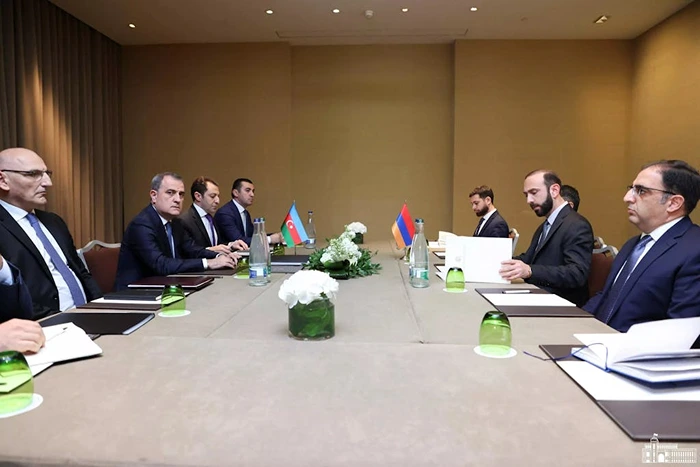
The effectiveness of regional actors' responses in resolving the crisis and promoting peace and stability is difficult to evaluate at this point in time. The conflict remains unresolved, and tensions between the different actors continue to simmer. However, it is clear that the responses of regional actors have had an impact on the conflict, both positive and negative.
The aggressive approach taken by Azerbaijan and Turkey has led to territorial gains and increased influence in the region. However, this approach has also led to increased tensions and risks of conflict escalation. Armenia's focus on defending its territorial integrity and seeking international support has helped to garner sympathy from the international community, but has not led to a resolution of the conflict. Russia's intervention has helped to stabilize the conflict and prevent further escalation, but has also reinforced its role as a regional power and increased tensions with other actors.
Conclusion
In conclusion, the Armenia-Azerbaijan border crisis has had a significant impact on regional security and stability, with implications for the geopolitical landscape of the region. The responses of regional actors have varied in terms of their goals, strategies, and outcomes, with some actors taking a more aggressive approach and others seeking a peaceful resolution. While there are some similarities in the responses of different actors, there are also significant differences that have led to increased tensions and risks of conflict escalation. The effectiveness of these responses in resolving the crisis and promoting peace and stability is difficult to evaluate, but it is clear that finding a lasting solution to the conflict will require a concerted effort from all actors involved.
References
- Akgün, M., & Özerim, G. (2021). The Armenia-Azerbaijan Conflict: Causes, Consequences, and Implications for Regional Security. Journal of Balkan and Near Eastern Studies, 23(2), 151-170. doi: 10.1080/19448953.2021.1887939
- Al Jazeera. (2020, September 27). Armenia and Azerbaijan: A decades-long bloody rivalry. Retrieved from https://www.aljazeera.com/news/2020/9/27/armenia-and-azerbaijan-a-decades-long-bloody-rivalry
- Al Jazeera. (2020, October 2). Armenia-Azerbaijan conflict: What you need to know. https://www.aljazeera.com/news/2020/9/30/armenia-azerbaijan-conflict-what-you-need-to-know
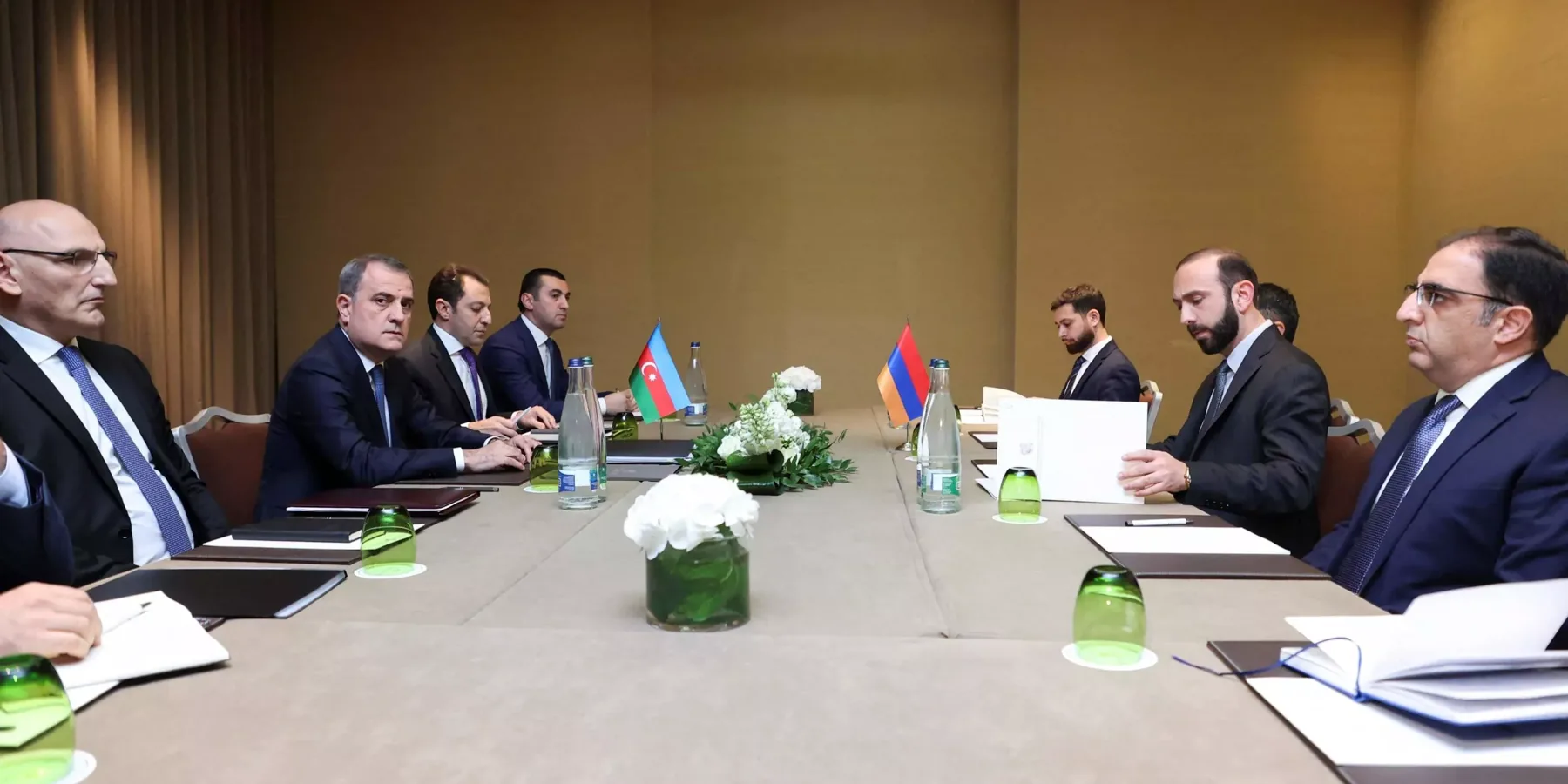
- Al Jazeera. (2022, October 3). Armenia, Azerbaijan top diplomats hold peace talks in Geneva. Retrieved from https://www.aljazeera.com/news/2022/10/3/armenia-azerbaijan-top-diplomats-hold-peace-talks-in-geneva
- Al-Monitor. (2020, September 28). Armenian government accuses Turkey of plotting with Azerbaijan in Karabakh. Retrieved from https://www.al-monitor.com/originals/2020/09/armenia-azerbaijan-conflict-plot-turkey.html
- Armenian Weekly. (2022, May 25). Armenia and Azerbaijan launch border demarcation. Retrieved from https://armenianweekly.com/2022/05/25/armenia-and-azerbaijan-launch-border-demarcation/
- Ameli, S. R., & Esfandiary, D. (2021). The Nagorno-Karabakh Conflict and Its Implications for Iran. International Journal of Politics, Culture, and Society, 34(1), 95-107. doi: 10.1007/s10767-020-09480-3
- BBC News. (2020, November 9). Nagorno-Karabakh: Armenia and Azerbaijan agree new humanitarian truce. https://www.bbc.com/news/world-europe-54833196
- Council on Foreign Relations. (2020, October 19). The Conflict in Nagorno-Karabakh. https://www.cfr.org/backgrounder/conflict-nagorno-karabakh
- European Union External Action. (2020, October 8). Nagorno-Karabakh: Remarks by the High Representative/Vice-President Josep Borrell at the EP plenary debate on the resumption of hostilities between Armenia and Azerbaijan. https://eeas.europa.eu/headquarters/headquarters-homepage/86232/nagorno-karabakh-remarks-high-representativevice-president-josep-borrell-ep-plenary-debate_en
- International Crisis Group. (2020). Nagorno-Karabakh: New Hostilities, Familiar Fears. Retrieved from https://www.crisisgroup.org/europe-central-asia/caucasus/nagorno-karabakh-conflict/310-nagorno-karabakh-new-hostilities-familiar-fears
- Kardaş, T., & Altunışık, M. B. (2021). Turkey and the Nagorno-Karabakh Crisis: Domestic Politics, Regional Dynamics, and Conflict Resolution. Mediterranean Politics, 26(1), 1-22. doi: 10.1080/13629395.2020.1862148
- United Nations. (2020, September 29). Secretary-General Calls for Immediate End to Fighting on Armenia-Azerbaijan Border, Urges Return to Dialogue. https://www.un.org/press/en/2020/sgsm20333.doc.htm
- United Nations General Assembly. (2020, December 4). Resolution adopted by the General Assembly on 4 December 2020. https://www.un.org/en/ga/search/view_doc.asp?symbol=A/RES/75/298
- U.S. Department of State. (2020, November 25). Joint Statement on the Nagorno-Karabakh Conflict. https://www.state.gov/joint-statement-on-the-nagorno-karabakh-conflict/
- World Health Organization. (2020, October 15). Armenia-Azerbaijan conflict threatens access to COVID-19 care. https://www.who.int/news-room/feature-stories/detail/armenia-azerbaijan-conflict-threatens-access-to-covid-19-care