Trump, the U.S. Reserve, and the Future of Crypto
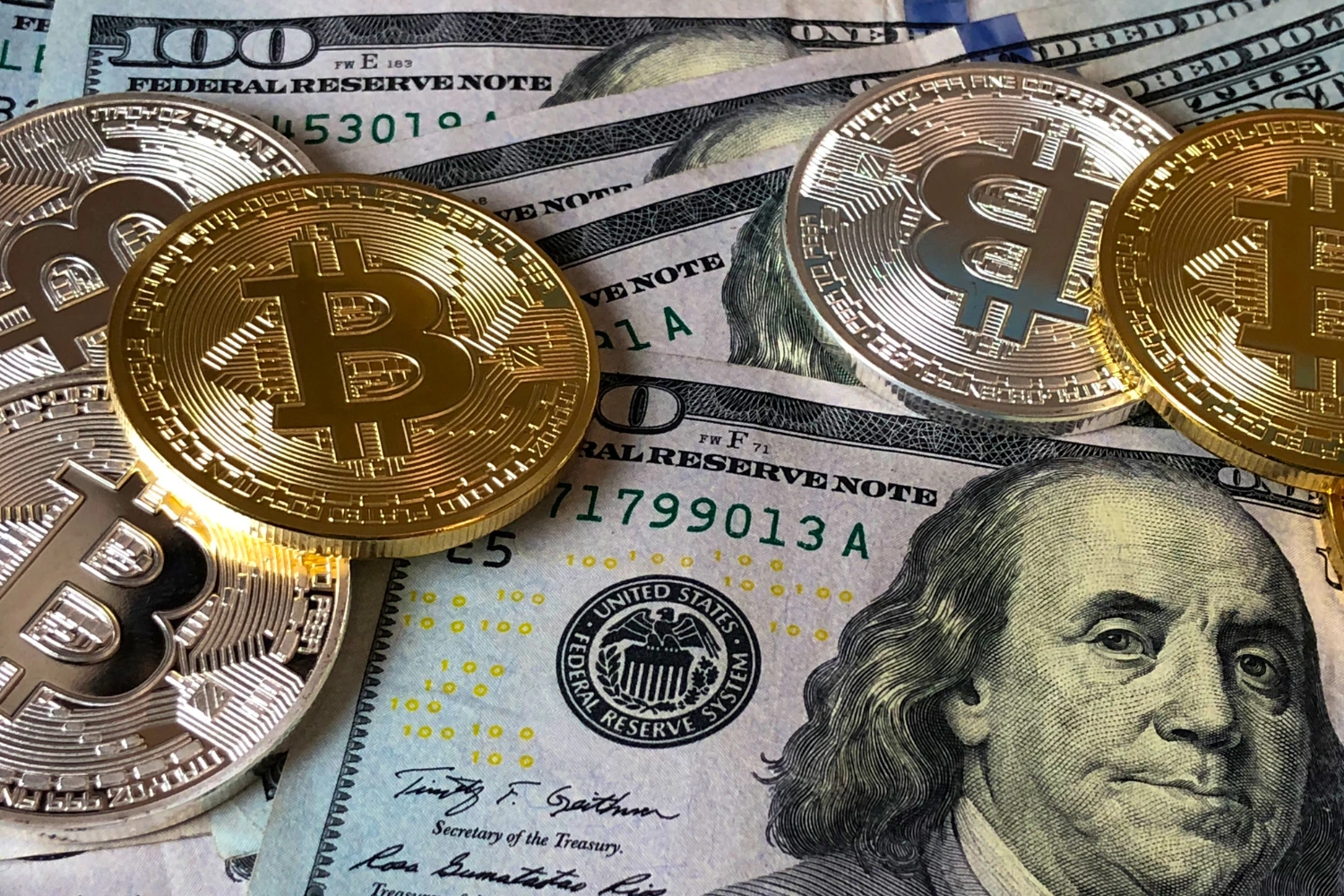
As of April 2, 2025, Bitcoin's trajectory reflects a complex interplay of market dynamics and evolving U.S. governmental policies. Currently trading near $85,000, the cryptocurrency has experienced fluctuations influenced by global economic uncertainties, notably the impending U.S. tariffs. Analysts suggest that these tariffs contribute to Bitcoin's price stagnation, with potential movements anticipated based on forthcoming economic policies.
Technical Indicators and Market Sentiment
Technical analyses present a mixed outlook for Bitcoin. The cryptocurrency approaches the "death cross," a bearish signal where the 50-day moving average dips below the 200-day moving average, historically suggesting potential downturns. However, interpretations vary, with some analysts viewing it as a precursor to further losses, while others remain cautiously optimistic about Bitcoin's resilience.
U.S. Government's Strategic Bitcoin Reserve
In a landmark move, President Donald Trump signed an executive order on March 6, 2025, establishing the Strategic Bitcoin Reserve and the United States Digital Asset Stockpile. This initiative aims to harness the potential of digital assets as strategic national resources. The reserve is capitalized with Bitcoin already owned by the federal government, primarily acquired through asset forfeitures related to illicit activities. Estimates suggest that the U.S. holds approximately 200,000 BTC, positioning it as the largest known state holder of Bitcoin globally.
The executive order outlines several key directives:
- Strategic Bitcoin Reserve: Establishes Bitcoin as a permanent reserve asset, funded by the Treasury's forfeited Bitcoin holdings. The U.S. commits to retaining these assets, exploring strategies to acquire more without burdening taxpayers.
- U.S. Digital Asset Stockpile: Creates a repository for non-Bitcoin digital assets forfeited to the Treasury, with stewardship strategies, including potential sales, to be determined.
- Interagency Accountability: Mandates all federal agencies to fully account for their digital asset holdings, ensuring transparency and coordinated management.
President Trump's Evolving Stance on Bitcoin
President Trump's perspective on cryptocurrencies has undergone a significant transformation. In 2021, he labeled Bitcoin a "scam," expressing skepticism about its legitimacy. However, by 2024, his stance shifted markedly. During his campaign, Trump articulated a vision for the U.S. to become the "crypto capital of the world," advocating for policies that foster innovation and leadership in the digital asset space.
This policy shift culminated in the establishment of the Strategic Bitcoin Reserve, reflecting a strategic embrace of digital assets at the national level. The administration's approach aims to balance innovation with regulation, positioning the U.S. at the forefront of the global cryptocurrency landscape.
The Trump Family's Direct Involvement in Cryptocurrency
Beyond governmental initiatives, members of the Trump family have actively ventured into the cryptocurrency sector. Eric Trump and Donald Trump Jr. announced the launch of "American Bitcoin," a mining enterprise in collaboration with Florida-based company Hut 8. This venture aspires to become the most efficient pure-play Bitcoin miner while establishing a substantial strategic Bitcoin reserve. Hut 8 holds an 80% stake, with American Data Centers retaining the remainder. Eric Trump serves as Chief Strategy Officer, and Matt Prusak leads as CEO.
This initiative underscores the family's commitment to integrating cryptocurrency ventures into their business portfolio, aligning with the broader national strategy to embrace digital assets.
Regulatory Developments and Future Outlook
The administration's pro-crypto stance is further evidenced by regulatory developments aimed at fostering a conducive environment for digital assets. The House Financial Services Committee is set to mark up the STABLE Act, a bill designed to regulate stablecoins by imposing rigorous standards on issuers. While the bill has garnered bipartisan attention, debates continue regarding its potential impact on innovation and financial stability.
Internationally, the administration's initial steps toward digital deregulation have received cautious optimism. IMF Managing Director Kristalina Georgieva noted that previous overregulation had stifled economic growth, and the current approach appears focused on balancing regulation with innovation. However, she emphasized the need for careful deregulation to mitigate financial and macroeconomic risks.
As the U.S. government integrates Bitcoin into its strategic reserves and the Trump family deepens its involvement in the crypto industry, the landscape for digital assets is poised for significant evolution. Market participants and policymakers alike will need to navigate these developments thoughtfully, balancing the potential for innovation with the imperative of maintaining financial stability.
References
- https://www.pillsburylaw.com/en/news-and-insights/cryptocurrency-digital-assets-trump.html
- https://www.pbs.org/newshour/show/what-to-know-about-trumps-cryptocurrency-plans-and-a-potential-conflict-of-interest
- https://markets.businessinsider.com/news/currencies/bitcoin-mining-eric-donald-trump-jr-hut-8-stablecoin-2025-4
- https://www.reuters.com/technology/newsmaker-imfs-georgieva-says-initial-signs-us-digital-deregulation-are-2025-03-31/