Serving For Those Who Served: A Promise to Korean War Veterans
S.T.A.N.D. with Korean War Veterans
S Supporting
T Their
A Adequate
N Needs
D Dignity
On June 23, 2023, one senior citizen was caught stealing groceries seven consecutive times to resolve his extreme starvation in Busan, South Korea. Surprisingly, during the police interrogation, it was found that the man was an old veteran of the Korean War who was not properly compensated for his service and commitment to the country. Such a case lays bare the status quo of the welfare system of one of the affluent countries in the world on their war heroes.
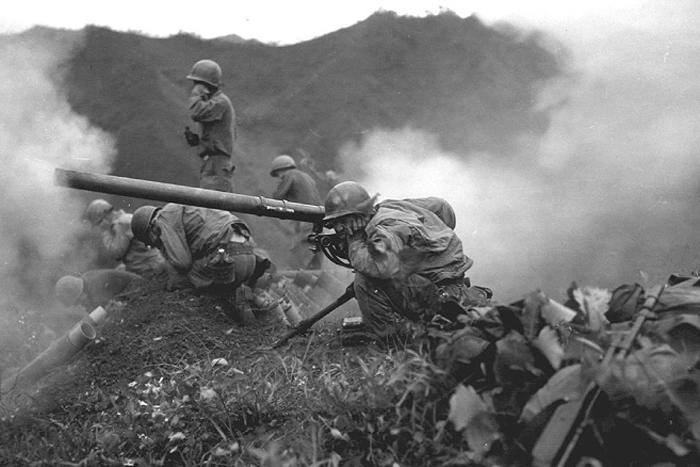
The first half of the 20th century was a period of turmoil and chaos on the Korean peninsula. The 35 years of Japanese occupation not only devastated the major agricultural industries and robust manpower but also impoverished the souls and cultures of Korea. Moreover, even after gaining independence in 1945, the futile hopes for the reconstruction of the new sovereign country were completely demolished as the war broke out five years later within the minuscule peninsula. On June 25, 1950, North Korea, which was supported by the Union of Soviet Socialist Republics(USSR), launched a massive military operation on South Korea. At the beginning of the war, South Korea-unprepared for the enemy invasion-was pushed back to the southern tip of the peninsula and even the nation’s capital-Seoul-was captured in the following week of invasion. During the horrendous war, not only conscription was implemented on a nationwide scale but thousands of high schoolers bravely volunteered to fight on the frontlines just for a reason to save their country. Those soldiers served a pivotal role in earning time on the frontlines until the UN forces consisting of soldiers of various nationalities: American, Australian, British, and even Ethiopians arrived. The invaluable sacrifices and commitments of young and robust soldiers ultimately changed the tide of the war; without those commitments, the country called South Korea would not exist in the contemporary world.
The war ended with an armistice agreement on July 27, 1953, yet as the treaty does not guarantee permanent peace, the tension between the two countries has nearly never been relieved even 70 years after the end of the war. Such heightening tension with the enemy has led to the enactment of conscription for male citizens aged between 18 and 35 since 1957. Whilst the continuation of the mandatory military service has reinforced the military power of the country, it deteriorated the social impression of the role of “soldiers.” As serving in the military has become obvious for a range of male citizens, the role of a soldier is perceived as a painful period of one’s life rather than a venerable hero of the country. This lack of respect and social interest in the soldiers has caused issues regarding the poor treatment of soldiers-especially veterans are regarded as no longer an obligation of the country-to be ignored within society.
Pensions
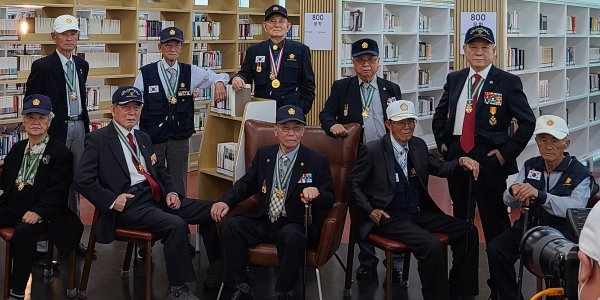
As over 70 years have passed since the end of the war, the vast majority of living veterans are former student soldiers who stepped forward to save their country at a young age. However, in comparison to not only their service and sacrifice but also the impact of war on them, the compensation provided to them is minuscule. According to the Korean Ministry of Veterans Affairs, although VA Benefits for those veterans who fought in the Korean War are constantly increasing over the years, the amount of money they receive is only 390000 KRW per month. Compared to 65000 KRW in 2000, there has been a significant increase in the amount of aid, yet it is insufficient to compensate for the scars, which the war left behind. Moreover, whilst extra pension is paid by the government of provinces, in addition to 390000 KRW provided by the federal government, the pension veterans receive differs by province.
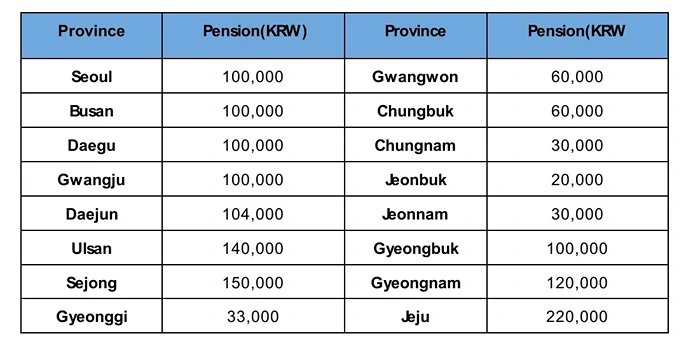
Furthermore, the average age of veterans is now roughly 90, meaning the majority of them need medical care, and especially with the wounds from the war increase the costs of their medical care. At the status quo, 90% of their medical fees are paid by the government in VHS Medical Center. However, not only are they not supported with the expenses for their costly medication but there are only 9 of them in metropolitan areas, making old veterans difficult to access.
In light of these challenges, it is imperative for society to recognize the debt owed to these veterans. The government must reassess the pension system, considering the escalating costs of living and healthcare. Moreover, a concerted effort is needed to expand the availability of medical facilities catering to the unique needs of Korean War veterans.
Reflecting on the recent theft by an old war veteran, the silent struggle of these veterans should no longer go unnoticed; their sacrifice deserves not only acknowledgment and honor but also additional hands of help. As they bravely sacrificed their youth in the cold, atrocious forefront, it is now our turn to rally behind Korean War veterans, ensuring that they receive the respect, recognition, and support befitting the heroes who are the ‘founding fathers’ of this nation.