The Killing of George Floyd and the Black Lives Matter Movement: An Analysis of the Global Response to Systemic Racism
Introduction
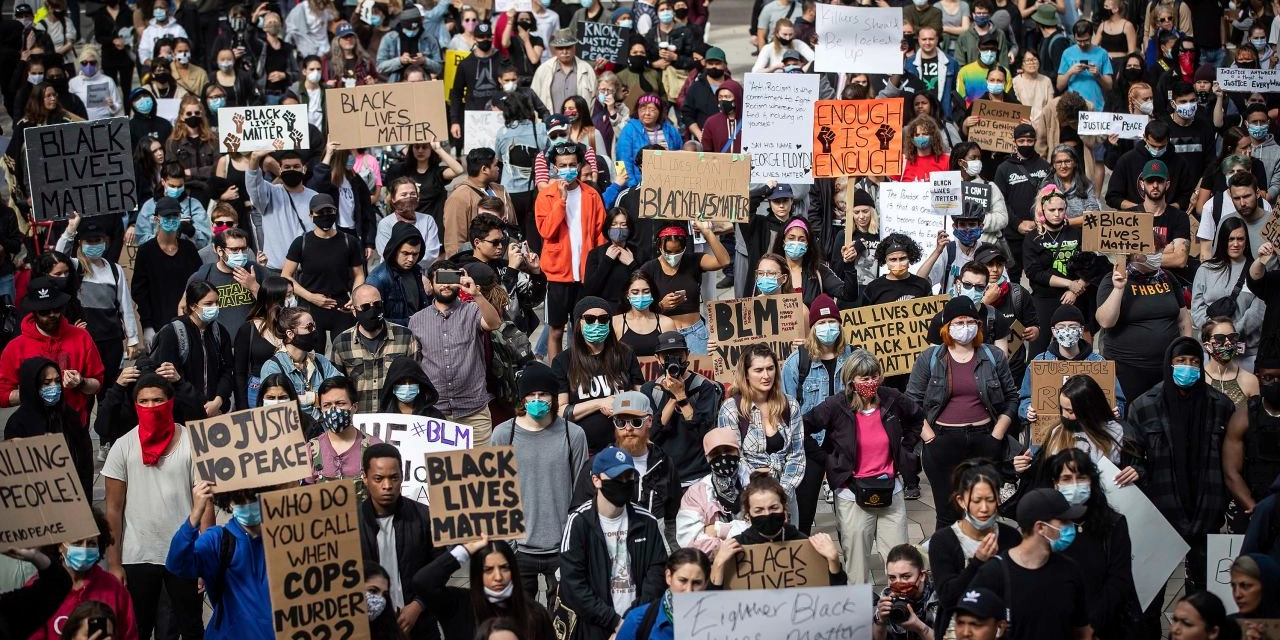
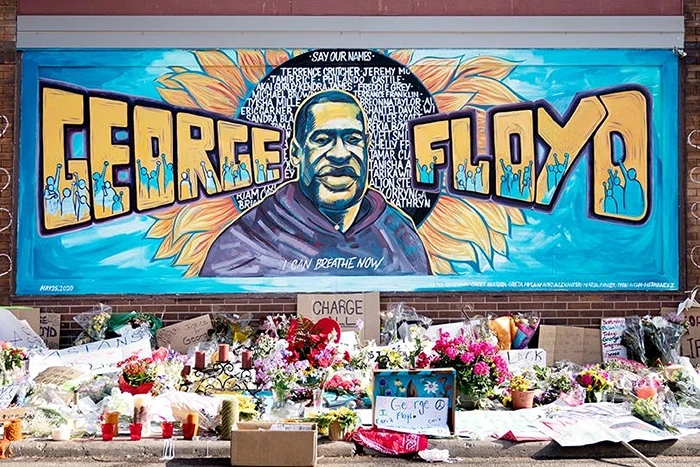
The killing of George Floyd, a 46-year-old Black man, by a Minneapolis police officer on May 25, 2020, sparked protests across the United States and the world. This report provides a critical analysis of the global response to the killing of George Floyd and the Black Lives Matter movement, including the root causes of systemic racism, the government response, and the broader implications for social justice.
The Root Causes: Systemic Racism and Police Brutality
Source: Los Angeles Times
The killing of George Floyd was not an isolated incident, but rather a manifestation of the systemic racism and police brutality that has plagued the United States and other countries for centuries. According to Mapping Police Violence, police in the United States killed 1,127 people in 2020, with Black people being three times more likely to be killed than white people. This is despite the fact that Black people only make up 13% of the U.S. population.
The roots of systemic racism are complex and multifaceted, but they are largely driven by structural inequality, discriminatory policies, and implicit bias. Structural inequality refers to the ways in which certain groups have greater access to resources, power, and opportunities than others, which can create and perpetuate disparities. In the United States, for example, Black people have historically been denied access to education, jobs, housing, and other resources, which has limited their opportunities and contributed to economic and social inequality.
Discriminatory policies are another key driver of systemic racism. Policies such as redlining, which was a practice of denying mortgages to Black people in certain neighborhoods, have had lasting effects on Black communities. Redlining led to segregated housing patterns, which in turn led to segregated schools, limited economic opportunities, and unequal access to healthcare and other resources. Similarly, the War on Drugs, which was launched in the 1980s, led to disproportionate rates of arrest and incarceration for Black people, even though rates of drug use and sales were similar across racial groups.
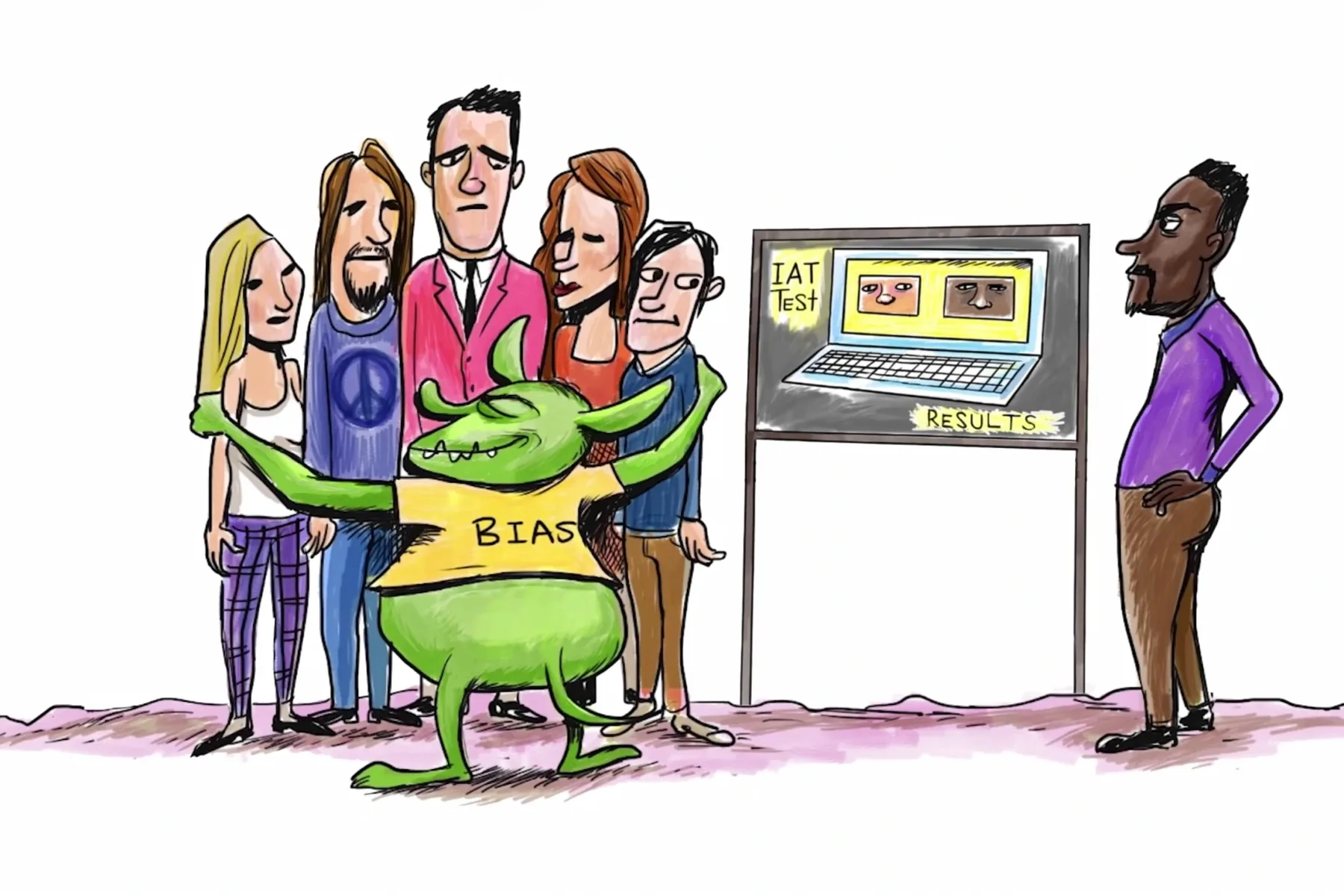
Source: The University of Texas at Austin
Implicit bias is another factor that contributes to systemic racism. Implicit bias refers to the unconscious attitudes and stereotypes that people hold about certain groups of people. These biases can affect how people interact with others and can lead to discrimination in hiring, housing, and other areas. For example, studies have shown that job applicants with Black-sounding names are less likely to be called back for an interview than applicants with white-sounding names, even when their resumes are identical.
Police brutality is also a manifestation of systemic racism. Police officers are supposed to protect and serve their communities, but all too often, they use excessive force and engage in violent behavior towards Black people. This is partly because police officers are trained to view Black people as dangerous and threatening, and partly because there is a lack of accountability and oversight when police officers use excessive force.
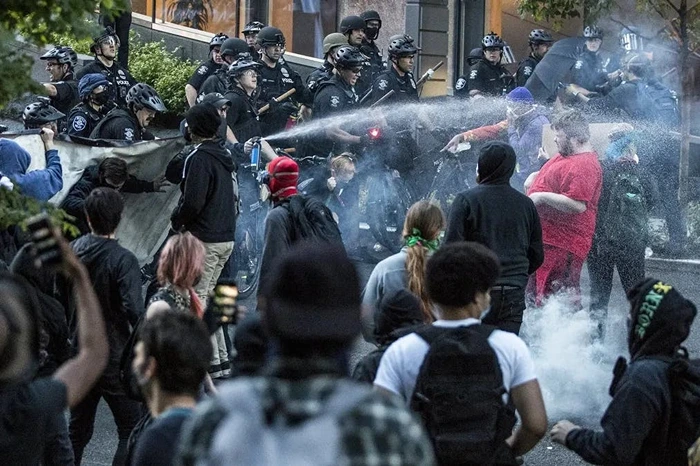
Source: Seattle Times
In order to address systemic racism and police brutality, it is necessary to address the root causes of these issues. This means implementing policies that address structural inequality, such as providing access to quality education, healthcare, and jobs. It also means reforming policies that are discriminatory, such as ending the War on Drugs and addressing the legacy of redlining. Additionally, it means addressing implicit bias through training and education, and holding police officers accountable for their actions through independent oversight and prosecution when appropriate.
The Government Response: Mixed Results and Persistent Challenges
In the aftermath of George Floyd's death, some cities and states moved to pass police reform legislation. For example, the city of Minneapolis, where Floyd was killed, voted to disband its police department and replace it with a community-led public safety system. The state of Colorado passed a police reform bill that included measures such as banning chokeholds and requiring officers to intervene if they witness excessive force.
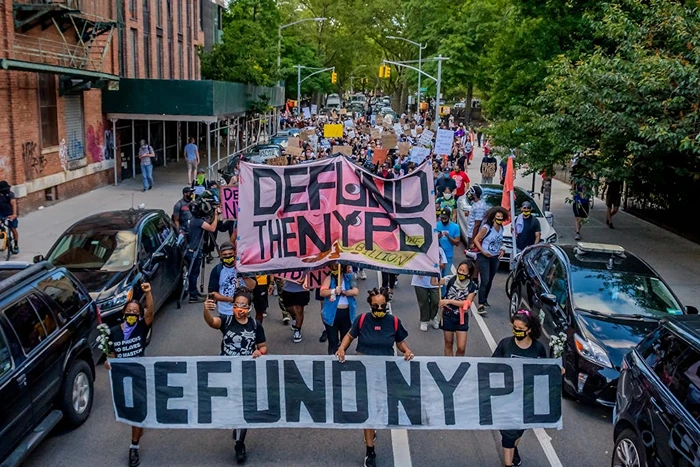
Source: The Verge
On the other hand, some cities and states have been resistant to change, with some even pushing back against calls to defund or reform police departments. For example, in New York City, the mayor rejected calls to defund the police and instead proposed modest budget cuts. In California, some cities, such as Beverly Hills, even increased police funding in the wake of the protests.
The Trump administration was criticized for its lack of action in response to the Black Lives Matter movement. In particular, Trump was criticized for his inflammatory rhetoric, including his tweets calling for the deployment of the National Guard and his characterization of protesters as "thugs" and "anarchists." Additionally, the Trump administration took steps to roll back police reforms implemented under the Obama administration, such as reducing federal oversight of local police departments.
In contrast, the Biden administration has made racial justice a key priority. In his first week in office, President Biden signed a series of executive orders aimed at addressing systemic racism. These orders included measures such as strengthening anti-discrimination housing policies and directing the Department of Justice to phase out the use of private prisons. Biden has also called for police reform legislation, including the George Floyd Justice in Policing Act, which aims to address issues such as police use of force and qualified immunity. However, the act has yet to be passed by Congress.
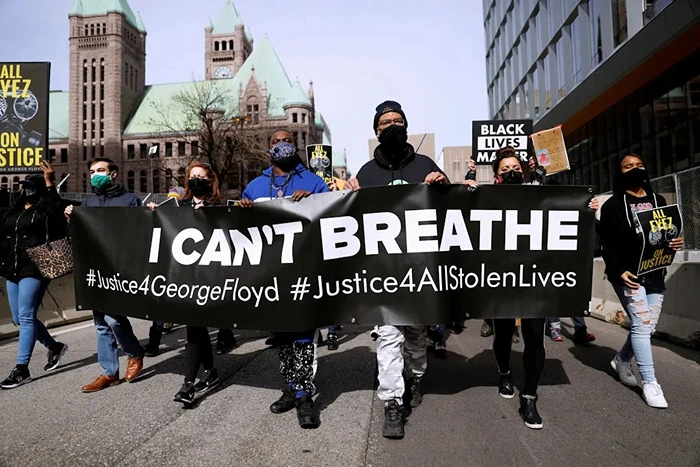
Source: Financial Times
The Global Response: A Groundswell of Solidarity and Action
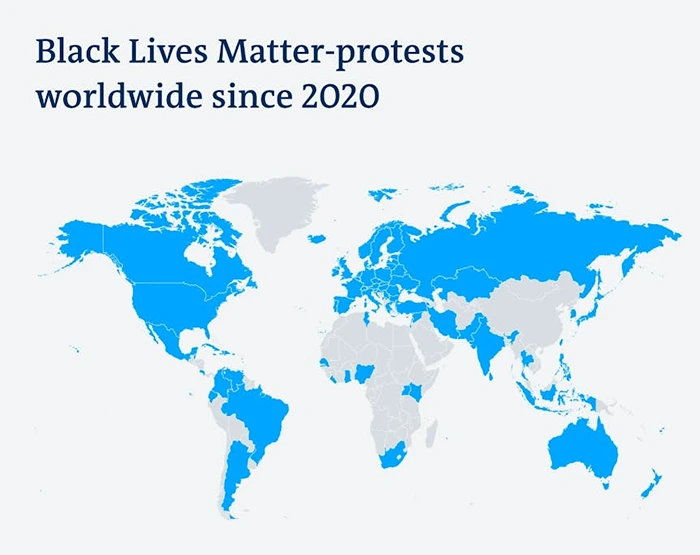
The protests and demonstrations following George Floyd's death were not limited to the United States. In fact, they took place in over 2,000 cities across 60 countries, making it one of the largest global human rights movements in history. The protests were not just limited to major cities or urban areas, but also took place in smaller towns and rural areas where issues of racial inequality may not always be at the forefront of public consciousness.
In addition to physical protests, social media played a significant role in amplifying the voices of activists and protesters. The hashtag #BlackLivesMatter was used over 8 million times on Instagram alone in the days following George Floyd's death.
The global response to the Black Lives Matter movement has led to tangible changes in some countries. For example, in France, the government banned the use of chokeholds by police officers following protests in Paris. In the United Kingdom, a commission was established to examine racial disparities in the criminal justice system and other areas of public life.
Source: DW, NED
The global response has also led to a surge in interest in anti-racism and social justice. In addition to book sales of works by Black authors increasing by 500%, Google searches for terms related to anti-racism and racial justice also spiked significantly.
Overall, the global response to the killing of George Floyd and the Black Lives Matter movement has been remarkable in its size, scope, and impact. It has shown that issues of systemic racism and police brutality are not limited to the United States, but are global issues that require collective action and solidarity.
Conclusion
The killing of George Floyd and the Black Lives Matter movement have brought the issue of systemic racism and police brutality to the forefront of public consciousness. They have inspired a groundswell of global solidarity and action, while also exposing the persistent challenges of addressing systemic inequality. Moving forward, it is essential to maintain momentum and focus on sustained action and accountability in order to achieve lasting social justice.
References
- CNN. (2020, June 1). Thousands around the world protest George Floyd’s death in global display of solidarity. Retrieved from https://edition.cnn.com/2020/06/01/world/george-floyd-global-protests-intl/index
- BBC News. (2020, June 7). George Floyd: Global protests show no sign of easing. Retrieved from https://www.bbc.com/news/world-52971821
- DW News. (2021, February 26). How George Floyd's death reignited a worldwide movement. Retrieved from https://www.dw.com/en/how-george-floyds-death-reignited-a-worldwide-movement/a-56781938
- Ethics Unwrapped. (n.d.). Implicit Bias. Retrieved from https://ethicsunwrapped.utexas.edu/video/implicit-bias
- Los Angeles Times. (2020, June 5). Editorial: The police killing of George Floyd shows how urgent police reform is. Retrieved from https://www.latimes.com/opinion/story/2020-06-05/george-floyd-arrest-police-killing
- Mapping Police Violence. (n.d.). 2020 police violence report. https://mappingpoliceviolence.org/2020
- MarketWatch. (2020, June 15). George Floyd’s killing has catalyzed a surge in donations to Black-led causes. Retrieved from https://www.marketwatch.com/story/george-floyds-killing-has-catalyzed-a-surge-in-donations-to-black-led-causes-2020-06-12
- NPR. (2020, June 2). In George Floyd's death, a police union's powerful role goes on display. Retrieved from https://www.npr.org/2020/06/02/867522571/in-george-floyds-death-a-police-unions-powerful-role-goes-on-display
- Ross, M. H. (2015). Incarceration and Its Disseminations: Testing the “Spread” of Lethal Police Force. Theoretical Criminology, 19(2), 265–289. https://doi.org/10.1177/1362480615571781
- Rothstein, R. (2017). The Color of Law: A Forgotten History of How Our Government Segregated America. Liveright Publishing Corporation.
- Seattle Times. (2020, May 30). Protesters break windows, clash with police in downtown Seattle. Retrieved from https://www.seattletimes.com/seattle-news/protesters-break-windows-clash-with-police-in-downtown-seattle/
- The New York Times. (2020, June 4). George Floyd protests: A timeline. https://www.nytimes.com
- The Verge. (2020, June 12). The complicated call to defund the police. Retrieved from https://www.theverge.com/21377136/defund-the-police-george-floyd-protest-politics-budget-minneapolis-nyc-austin
- US Department of Justice. (2021, January 26). Executive Order on Reforming Our Incarceration System to Eliminate the Use of Privately Operated Criminal Detention Facilities. Retrieved from https://www.justice.gov/opa/pr/executive-order-reforming-our-incarceration-system-eliminate-use-privately-operated