The Royal Shake-up: The Impacts of Prince Harry and Meghan Markle Quitting the Royal Family
Introduction
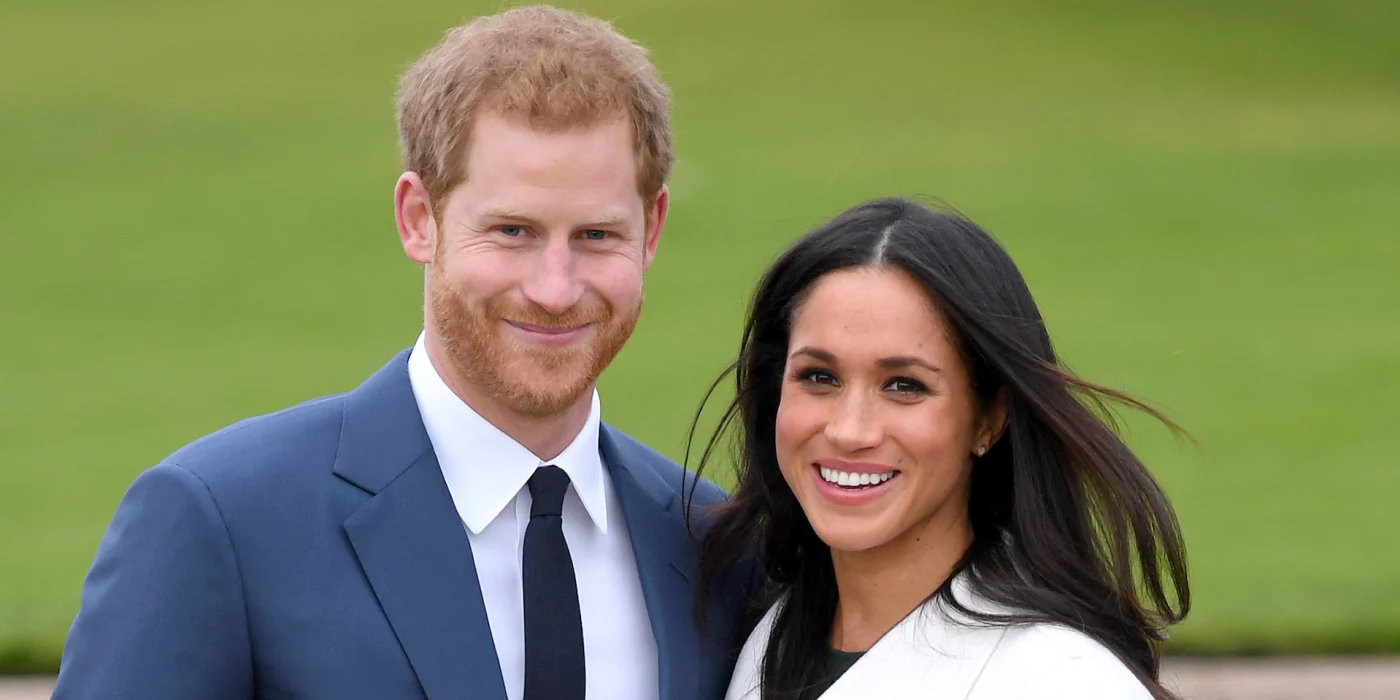
On January 8, 2020, Prince Harry and Meghan Markle announced that they were stepping back from their roles as senior members of the British royal family. This unprecedented move, known as Megxit, sent shockwaves across the world and raised questions about the future of the British monarchy and its relationship with the international community.
Megxit is not just a personal decision by the Duke and Duchess of Sussex, but it has far-reaching consequences for the British monarchy and its significance in international relations. This essay aims to provide an in-depth analysis of the implications of Megxit, tracing the evolution of the British monarchy and its role in shaping international relations in the past. We will examine the impact of Megxit on the British monarchy, the cultural and historical ties between the United Kingdom and the monarchy, and the diplomatic fallout between the Commonwealth and the monarchy. Additionally, we will explore the far-reaching consequences of Megxit on international relations, the challenges faced by the British monarchy post-Megxit, and the controversies surrounding this decision.
The Role of the British Monarchy in the Past and its Significance Today
The British monarchy has a rich history that spans over a millennium. It has survived wars, revolutions, and political upheavals, and has adapted to changing times while preserving its traditions and values. The evolution of the British monarchy can be traced back to the Anglo-Saxon period when kings and queens ruled over small kingdoms in England. With the Norman Conquest in 1066, the monarchy gained more power and prestige, and by the 12th century, it had become the supreme authority in the land.
Over the centuries, the British monarchy has faced numerous challenges, including the English Civil War, the Glorious Revolution, and the World Wars. However, it has also seen periods of prosperity and expansion, such as the Elizabethan era, the Industrial Revolution, and the Victorian era. Today, the British monarchy is a constitutional monarchy, which means that its powers are limited by the constitution, and it serves as a symbol of national unity and continuity.
The role of the British monarchy has evolved over time, from being a source of political power to becoming a cultural and ceremonial institution. In the past, the monarch wielded considerable political influence and was the ultimate authority in matters of state. However, with the gradual democratization of British society and the rise of parliamentary democracy, the monarchy's powers have been curtailed, and it has become more ceremonial and symbolic in nature.
Today, the British monarchy plays an important role in promoting national unity and identity. It is a visible symbol of the country's heritage and traditions, and it represents the continuity of the British state. The monarchy is also a major tourist attraction, drawing millions of visitors to the United Kingdom every year.
How the British Monarchy Has Shaped International Relations in the Past
Source: The British Monarchist League
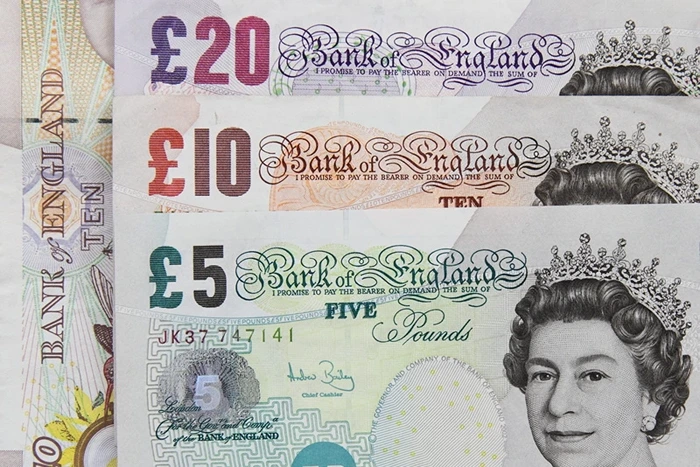
The British monarchy has played a significant role in shaping international relations in the past, particularly during the era of colonialism and imperialism. The monarchs of the past were instrumental in expanding the British Empire and establishing Britain's influence in many parts of the world. They also played a key role in diplomacy and foreign policy, forging alliances and negotiating treaties with other nations.
Today, the role of the British monarchy in international relations is more limited, but it still holds significant symbolic value. The monarchy represents the United Kingdom on the global stage, and its members often undertake diplomatic visits and engagements on behalf of the country. The Commonwealth of Nations, a group of 54 countries that were formerly part of the British Empire, is also linked to the British monarchy, and the Queen serves as its symbolic head.
What is Megxit and What Does it Mean for the British Monarchy?
Source: Fox News
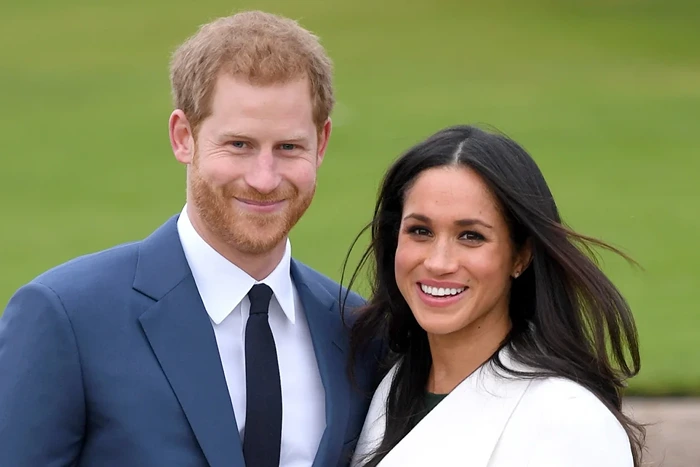
On January 8, 2020, Prince Harry and Meghan Markle, the Duke and Duchess of Sussex, announced their decision to step back from their roles as senior members of the British royal family. The announcement, which came as a shock to many, was dubbed "Megxit" by the media. This move was seen as a major blow to the British monarchy, as the couple was highly popular and seen as a key asset to the royal family.
Megxit has had a significant impact on the role and relevance of the British monarchy. It has raised questions about the institution's future and its ability to adapt to the changing times. The decision of Prince Harry and Meghan Markle to leave the royal family has been seen as a sign of the challenges facing the monarchy in the 21st century.
According to a YouGov poll conducted in January 2020, only 37% of Britons believed that the monarchy would last for the next 100 years. This was a significant drop from the 50% who held this belief in 2012. The poll also found that only 45% of Britons believed that the monarchy was good for the country, down from 68% in 2002.
Megxit has also had an impact on the perception of the British monarchy in the international community. The decision of Prince Harry and Meghan Markle to step back from their royal duties and move to North America has been seen as a blow to the image of the royal family.
In the United States, where Meghan Markle is from, the move was met with a great deal of sympathy and support. A YouGov poll conducted in January 2020 found that 67% of Americans believed that the way the British press had treated Meghan Markle was unfair. This was in contrast to the 46% of Britons who held this view.
In Canada, where the couple had been living prior to the pandemic, their arrival was seen as a boost to the country's international profile. However, there were concerns about the cost of providing security for the couple, which was ultimately taken on by the Canadian government.
Overall, Megxit has had a significant impact on the British monarchy, raising questions about its future and its ability to adapt to the changing times. The move has also had an impact on the perception of the monarchy in the international community, with varying views on the decision of Prince Harry and Meghan Markle to step back from their royal duties.
The Significance of Megxit for the International Community
Megxit has far-reaching consequences on international relations. The British Monarchy is not just a national institution, but also a global symbol of tradition and continuity. Its importance goes beyond its ceremonial role, and it plays a significant role in the UK's foreign policy. Megxit has caused shockwaves across the globe, with many questioning the future of the British Monarchy and its relationship with other countries.
Source: CBC
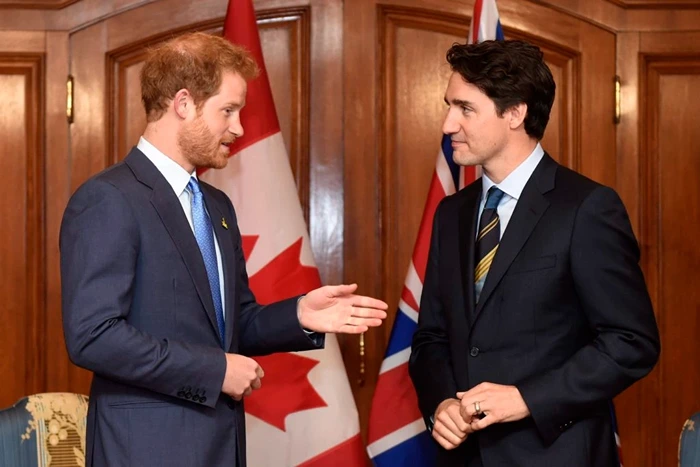
One of the most immediate examples of how Megxit has affected international relations is the impact on the UK's relationship with Canada. The couple announced their intention to split their time between Canada and the UK, leading to increased scrutiny of Canada's ties to the British monarchy. This scrutiny resulted in a wave of anti-monarchist sentiment, particularly in Quebec, where there is a strong independence movement. In response, the Canadian government was forced to clarify its position on the monarchy, stating that it remains committed to the Crown.
Megxit also had a significant impact on the relationship between the British monarchy and the United States. Meghan Markle, an American actress, and activist, was already a popular figure in the United States before she married Prince Harry. Following the couple's announcement to step back from their royal duties, the media attention on them intensified in the US.
Meghan and Harry's move to North America, and specifically to the US, also had political implications. The couple settled in California, the home state of Meghan, and where her mother Doria Ragland resides. The move was viewed by some as a strategic choice to position themselves for potential future involvement in American politics.
Moreover, Megxit coincided with a politically turbulent time in the United States. The couple's decision to step back from their royal duties and seek financial independence coincided with the growing calls for racial justice in the US following the death of George Floyd. Meghan Markle, as a biracial woman, had spoken out on issues of race and injustice even before joining the royal family. Her stance on these issues became even more pronounced after her marriage to Prince Harry. The couple's departure from the monarchy, and the alleged mistreatment they received by the British tabloid press, was viewed by some in the US as an example of systemic racism and discrimination.
Furthermore, the couple's decision to pursue financial independence and establish their own brand, Archewell, was seen as a potential threat to the British royal family's traditional image and brand. This move also had implications for the lucrative relationship between the monarchy and the US entertainment industry, which had seen a surge in interest and revenue following Meghan and Harry's wedding.
The decision of Prince Harry and Meghan Markle to step back from their duties as senior members of the British royal family, commonly referred to as Megxit, has had a significant impact on the relationship between the UK and other Commonwealth countries. As a symbol of the British monarchy, the Duke and Duchess of Sussex were expected to play a prominent role in Commonwealth affairs. However, their departure from the Royal Family has raised questions about the relevance of the monarchy within the Commonwealth.
Many Commonwealth countries have expressed their disappointment with the couple's decision to step down as senior royals. Barbados, for example, has announced its intention to remove the Queen as its head of state and become a republic. The Prime Minister of Barbados, Mia Mottley, stated that "the time has come to fully leave our colonial past behind." Similarly, the Prime Minister of Jamaica, Andrew Holness, has called for a debate on whether the country should remain a constitutional monarchy.
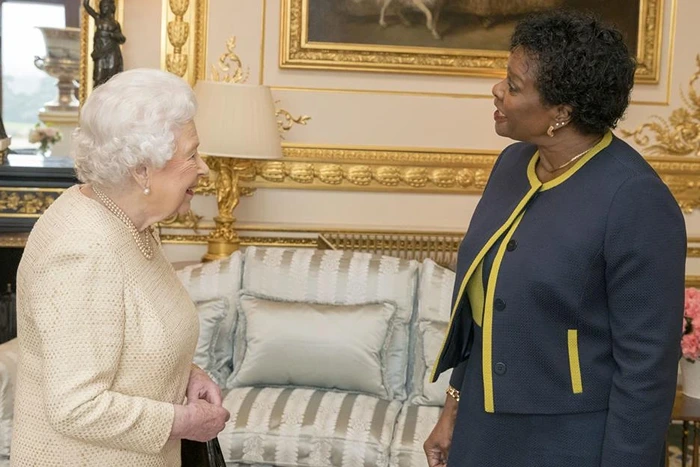
Source: Express
Megxit has also raised questions about the future of the Commonwealth itself. The organization, which consists of 54 member countries, was established in 1949 and has been headed by the British monarch ever since. Some have argued that the Commonwealth should sever its ties with the British monarchy and become a truly independent organization.
Challenges Faced by the British Monarchy Due to Megxit
One of the most significant challenges is the loss of the couple's star power and appeal, which was a valuable asset in promoting the monarchy and the UK abroad. Harry and Meghan were popular with younger generations and had a significant social media following, which they used to promote their philanthropic causes. Their departure has left a void in the royal family's ability to connect with younger audiences and promote their causes to a global audience.
Another challenge faced by the British monarchy is the potential loss of funding and economic value associated with the royal family. Harry and Meghan were a significant draw for tourism and generated millions of pounds in revenue for the UK economy. Their departure has raised concerns about the potential impact on tourism and the economy. In addition, the couple's decision to become financially independent has raised questions about the future funding and financial sustainability of the royal family.
Furthermore, Megxit has exposed tensions within the royal family and highlighted the need for modernization and reform. The crisis has brought into question the role of the monarchy in modern Britain and raised debates about its relevance and legitimacy. The British monarchy has historically been seen as a symbol of stability and tradition, but the controversy surrounding Megxit has exposed the need for change and adaptation to modern times.
Megxit has also created a rift between the royal family and the media, which has intensified scrutiny and criticism of the monarchy. The couple's decision to step back from royal duties and their subsequent media interviews have caused controversy and increased tensions between the royal family and the press. The British media has been accused of racism and bias in its coverage of the couple, leading to calls for greater regulation and accountability.
Conclusion
In summary, Megxit has had a significant impact on the British Monarchy and its relationship with the international community. The decision by Prince Harry and Meghan Markle to step back as senior members of the royal family led to a series of challenges and controversies, including a strain on the relationship between the UK and its Commonwealth partners, as well as a need for the monarchy to redefine its role and relevance in the modern world. Furthermore, the fallout from Megxit has also had implications for international relations, with examples such as the strain on UK-Canada relations and the controversy surrounding the Oprah interview.
The British monarchy has faced significant challenges and controversies in the aftermath of Megxit, including a loss of public confidence and increased scrutiny of its role and relevance in modern society. Despite these challenges, there is still a path forward for the monarchy to regain public trust and reaffirm its importance both domestically and on the international stage. This includes addressing concerns about transparency and accountability, and taking steps to modernize and adapt to changing societal norms.
Looking to the future, it remains to be seen how Megxit will continue to shape the relationship between the British monarchy and international relations. However, it is clear that the fallout from this event has highlighted the need for the monarchy to navigate changing societal values and expectations, and to prioritize transparency and accountability in its actions. As the monarchy looks to move forward, it will be crucial to find a balance between tradition and modernity, and to adapt to the evolving needs and expectations of the British public and the wider international community.
References
- BBC News. (2020, January 9). Prince Harry and Meghan to "step back" as senior UK royals. BBC News. https://www.bbc.com/news/uk-51014310
- CBC News. (2020, February 26). Who will pay for Harry and Meghan's security in Canada? Retrieved from https://www.cbc.ca/news/politics/harry-meghan-security-costs-rcmp-canada-1.5478022
- Express. (2020, September 18). Meghan Markle and Harry dealt blow as key Barbados royal considers cutting ties with UK monarchy. Retrieved from https://www.express.co.uk/news/royal/1336435/Meghan-markle-news-prince-harry-royal-family-Barbados-commonwealth-queen-Elizabeth-megxit
- Fox News. (2020, September 23). Meghan Markle, Prince Harry's Megxit to be dramatized in new Lifetime movie. Retrieved from https://www.foxnews.com/entertainment/meghan-markle-prince-harry-megxit-dramatized-lifetime-movie
- Huffpost. (2013, July 11). Britain's anti-monarchy campaign sees rise in support ahead of royal birth. Retrieved from https://www.huffpost.com/entry/britain-anti-monarchy-campaign_n_3615311
- Jackson, V. (2020, January 15). What Megxit means for the royal family and Canada. The Conversation. https://theconversation.com/what-megxit-means-for-the-royal-family-and-canada-129673
- Murphy, B. (2020, January 14). Harry and Meghan's 'step back' from royal duties is huge – but what will it actually look like? ABC News. https://www.abc.net.au/news/2020-01-14/harry-and-meghan-announce-they-will-step-back-from-royal-duties/11866626
- Robinson, J. (2020, January 9). Meghan Markle and Prince Harry to "step back" from Royal duties. CNN. https://www.cnn.com/2020/01/08/uk/harry-meghan-step-back-gbr-intl/index.html
- Smith, H. (2020, January 17). What is the Commonwealth and is it still relevant? BBC News. https://www.bbc.com/news/world-42668490
- The Monarchist League of Canada. (n.d.). Symbols of Monarchy. Retrieved from http://www.monarchist.org.uk/symbols-of-monarchy.html
- Welch, A. (2020, January 13). Meghan Markle's Impact On The British Monarchy Has Been Compared To Brexit. HuffPost. https://www.huffingtonpost.co.uk/entry/meghan-markle-brexit-british-monarchy_uk_5e1d7f08c5b6da971d1d1e57
- Wintour, P. (2020, January 19). Commonwealth may decide next head after Queen, says Charles. The Guardian. https://www.theguardian.com/uk-news/2020/jan/19/commonwealth-may-decide-next-head-after-queen-says-charles
- World Bank. (2022, January 1). World Development Indicators. World Bank. https://databank.worldbank.org/source/world-development-indicators



