The Real Estate Rush: What’s Fueling Korea’s Housing Obsession?
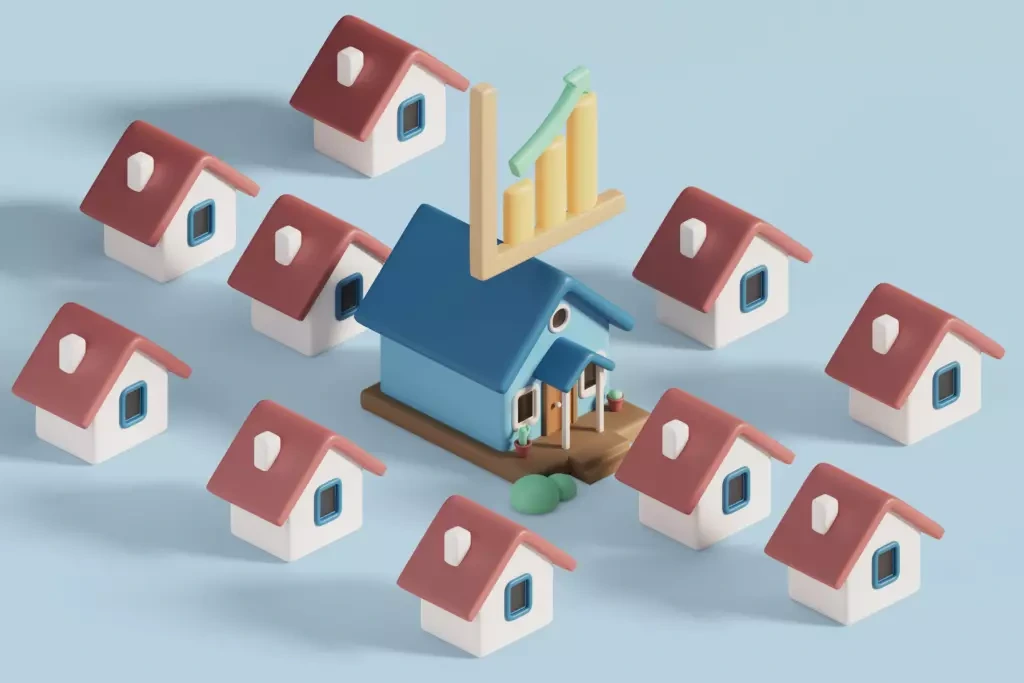
In South Korea, buying a home is more than just securing a place to live—it’s a race, a status symbol, and for many, a life goal. As apartment prices continue to skyrocket in major cities, especially in Seoul, South Korea’s obsession with real estate has become a defining feature of its economic landscape and social identity. But what is fueling this unrelenting housing craze? Why are so many young people feeling locked out of the dream of homeownership? And what does this trend mean for Korea’s future?
A Historical Shift: From Shelter to Asset
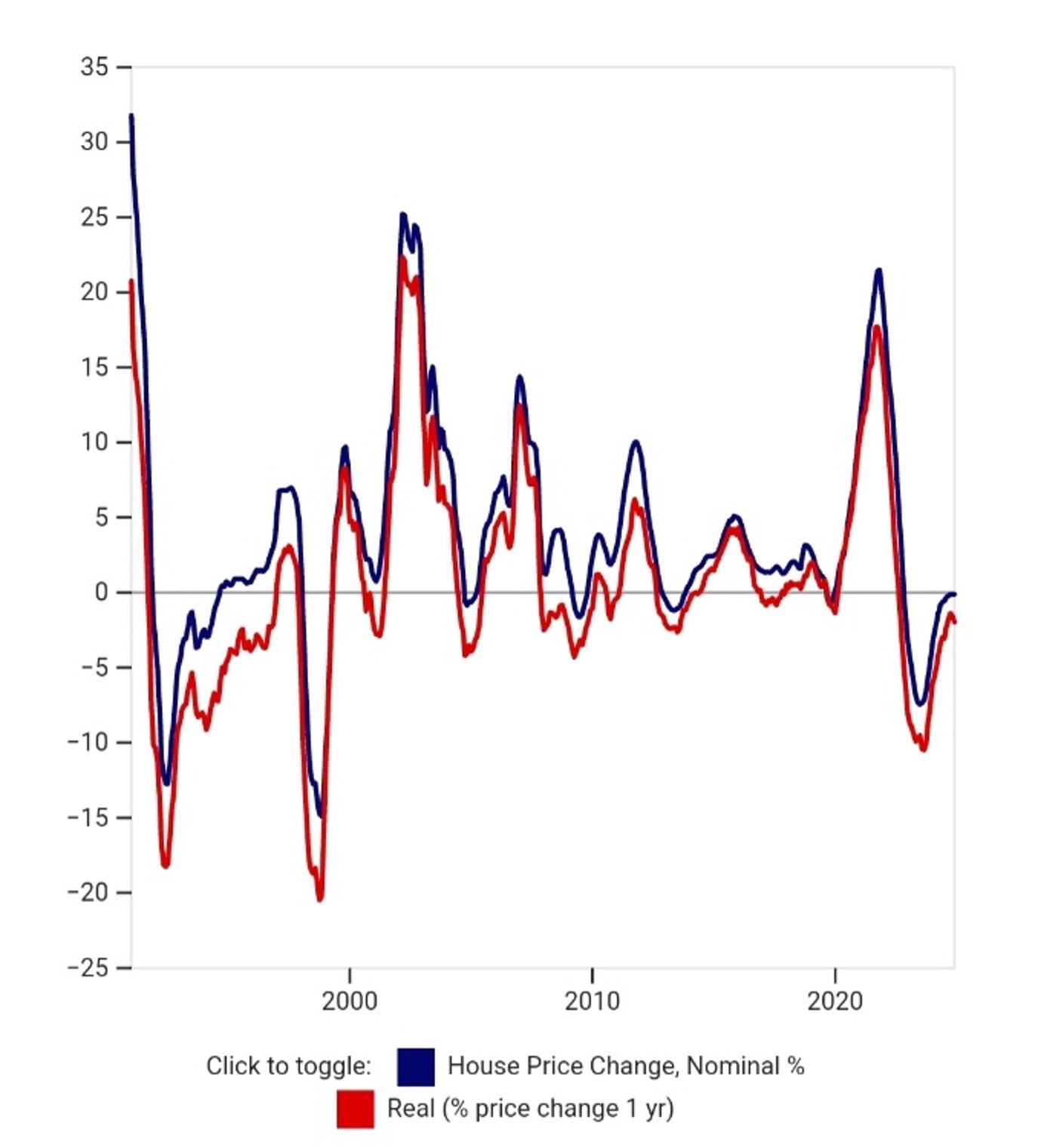
South Korea’s real estate culture wasn’t always like this. In the past, owning a home was primarily about stability and family. But after the financial crisis in the late 1990s and the liberalization of property laws in 1999, real estate transformed into one of the most profitable forms of investment. For many Korean families, purchasing an apartment became a way to build wealth. Over time, the mindset shifted—property was no longer just about living space, but about investment, retirement, and legacy. With property values rising steeply year after year, buying an apartment became synonymous with securing one’s financial future.
The Price of Pride: Seoul’s Surging Market
Nowhere is the obsession clearer than in Seoul. Apartments in the capital are priced at astronomical levels, with some units reaching over a billion won (roughly $750,000 USD or more). As demand continues to outweigh supply, prices show no sign of stabilizing. In 2022, the Rent Income Ratio (RIR) for young households in Seoul reached 17.4% a staggering figure that reflects how much of young people’s income is spent on housing. For comparison, housing affordability is typically considered problematic when the RIR exceeds 30%. Many young Koreans are spending years or even decades—trying to save for a down payment, all while prices rise faster than their salaries.
Young and Stuck: The Dream That Feels Out of Reach
For Korea’s younger generation, especially those in their 20s and 30s, the dream of owning a home is slipping further away. Despite working long hours and saving diligently, many feel like they’re running in place.
Ji-hoon, a 29-year-old office worker in Seoul, shared his frustration: “I’ve saved every bonus and lived with my parents for five years. But every time I check apartment prices, they’ve gone up again. It feels impossible.” This situation has led to increased anxiety, delayed marriages, and lower birth rates. In a society where homeownership is tied to personal success, many feel inadequate or left behind if they can’t afford property.
Government Policies: Helping or Hurting?
Over the years, successive Korean governments have tried to tame the real estate market through regulations—restricting loans, taxing multiple-homeowners, and controlling prices. However, these policies often have mixed results. In early 2025, Seoul Mayor Oh Se-hoon announced the easing of some real estate regulations to “restore property rights.” While the move was applauded by investors and homeowners, it also led to a sudden jump in prices, sparking concern among ordinary citizens and renters.
Critics argue that without stricter controls, speculative buying will continue to drive prices higher, making homes unaffordable for those who need them most.
Cultural Expectations and Social Pressures
In Korean society, there’s a strong cultural pressure to own a home before marriage. This pressure is not only on men but increasingly on women, too. Parents often feel obligated to help their children buy property—sometimes even taking out loans themselves. Apartments are also tied to school zones, career opportunities, and social status. Living in a high-demand area like Gangnam is not just convenient—it signals prestige. The desire to “make it” in Korean society often begins with the purchase of an apartment.
What Can Be Done? Solving Korea’s real estate crisis won’t be easy, but there are possible steps forward:
- Increase the supply of affordable public housing, especially in high-demand urban centers.
- Introduce tighter regulations on speculative investments and restrict ownership of multiple properties.
- Subsidize first-time buyers, particularly young adults and newlyweds.
- Promote rural development, making areas outside Seoul more attractive to live and work in. Most importantly, Korea needs a cultural shift—one where success isn’t measured solely by square footage or postal code.
Conclusion: Rethinking the Housing Race
South Korea’s real estate rush is about more than money it’s about identity, pressure, and the pursuit of stability. As more young people find themselves priced out of the market, the country faces a crucial question: Can the housing obsession be balanced with fairness and opportunity? The answer may determine not just who gets to own a home, but what kind of society Korea wants to be in the future.
References
- https://inblog.ai/grayzipblog/kb (cover photo)
- https://www.koreatimes.co.kr/www/biz/2025/02/602_357027.htm
- https://www.cbrekorea.com/en/insights/reports/2025-korea-real-estate-market-outlook
- https://www.globalbankingandfinance.com/2025-real-estate-trends-in-south-korea-market-dynamics-and-economic-impact
- https://www.koreatimes.co.kr/www/biz/2025/03/602_394334.html
- https://www.chosun.com/english/national-en/2024/01/25/G3HBOTMQSFBU3BAMGV77PDVGFU/
- https://www.globalpropertyguide.com/asia/south-korea/price-history graph photo
- https://www.koreatimes.co.kr/www/nation/2025/03/113_375856.html
- https://scispace.com/pdf/korean-public-rental-housing-for-low-income-households-main-3la82lat37.pdf