The Assassination of Mohsen Fakhrizadeh: Implications for Iran's Nuclear Program and Regional Security
I. Introduction
The assassination of Mohsen Fakhrizadeh, a leading nuclear scientist in Iran, in November 2020 sent shockwaves through the international community. Fakhrizadeh was widely considered the mastermind behind Iran's nuclear program, and his death has raised concerns about the future of the program and its impact on regional security. This paper seeks to explore the implications of Fakhrizadeh's assassination for Iran's nuclear program and regional security. We will begin by examining Fakhrizadeh's enigmatic persona and his contributions to Iran's nuclear program. We will then delve into the regional security implications of his assassination, including tensions between Iran and Israel, potential retaliation by Iran, and the international response. Finally, we will assess the future of Iran's nuclear program, including potential scenarios, risks, and opportunities. By analyzing these issues, we hope to shed light on the complex and multifaceted nature of regional security in the Middle East and chart a path forward for global security.
II. The Enigmatic Genius Behind Iran's Nuclear Program: Mohsen Fakhrizadeh's Role Unveiled
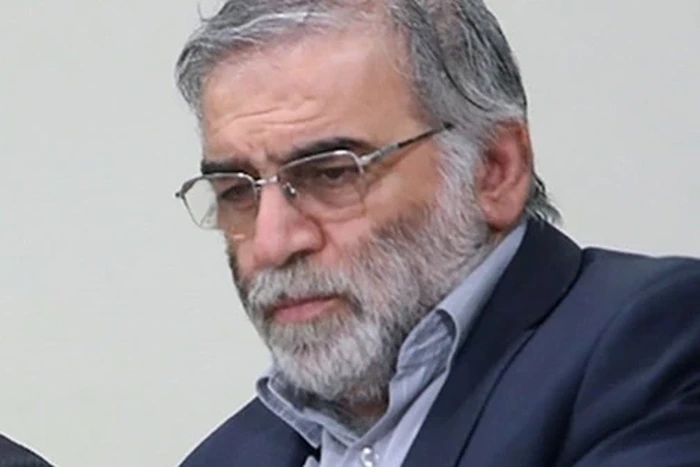
Mohsen Fakhrizadeh was a pivotal figure in Iran's nuclear program, which has been a matter of international concern for many years. He was a professor of physics and served as the head of Iran's nuclear research center. His contributions to Iran's nuclear program were immense, and his expertise was unique.
Source: BBC News
According to a report by the International Atomic Energy Agency (IAEA), Fakhrizadeh played a critical role in Iran's efforts to develop nuclear weapons. He oversaw the development of a range of technologies that could be used in the production of nuclear weapons, including the design of high-explosive detonators and the development of uranium enrichment capabilities.
Fakhrizadeh's assassination dealt a severe blow to Iran's nuclear program. According to a report by the Institute for Science and International Security (ISIS), Fakhrizadeh's death was a significant loss to Iran's nuclear weapons program. The report states that Fakhrizadeh "was central to Iran's nuclear weapons program and oversaw activities related to the development of nuclear warheads, explosive charges, and the procurement of nuclear-related materials and equipment."
The assassination of Fakhrizadeh has dealt a significant blow to Iran's nuclear program and its research and development capabilities. Fakhrizadeh was one of the most prominent scientists in Iran's nuclear program, and his expertise and knowledge were crucial to the program's progress. He was responsible for the design and development of many key components of Iran's nuclear program, including the centrifuges used to enrich uranium. His assassination has not only resulted in the loss of a key figure in Iran's nuclear program, but also dealt a severe blow to Iran's technical capabilities and institutional memory.
Moreover, the assassination of Fakhrizadeh has created a sense of insecurity and fear among Iranian scientists and researchers working in the nuclear field. The incident has raised concerns about the safety of other scientists and the possibility of further attacks, which could lead to brain drain in Iran's scientific community. The fear of further attacks and the potential consequences of such incidents could also hinder Iran's nuclear program's progress in the future.
Overall, the assassination of Fakhrizadeh has significant implications for Iran's nuclear program and its future. While Iran has vowed to continue its nuclear activities and has identified new individuals to replace Fakhrizadeh, the loss of his knowledge and expertise cannot be easily replaced. The incident has also contributed to an already tense regional security environment, highlighting the ongoing conflict between Iran and Israel and raising concerns about the possibility of a wider regional conflict.
Source: WDRB
III. A Ticking Time Bomb: Regional Security Implications of Fakhrizadeh's Assassination
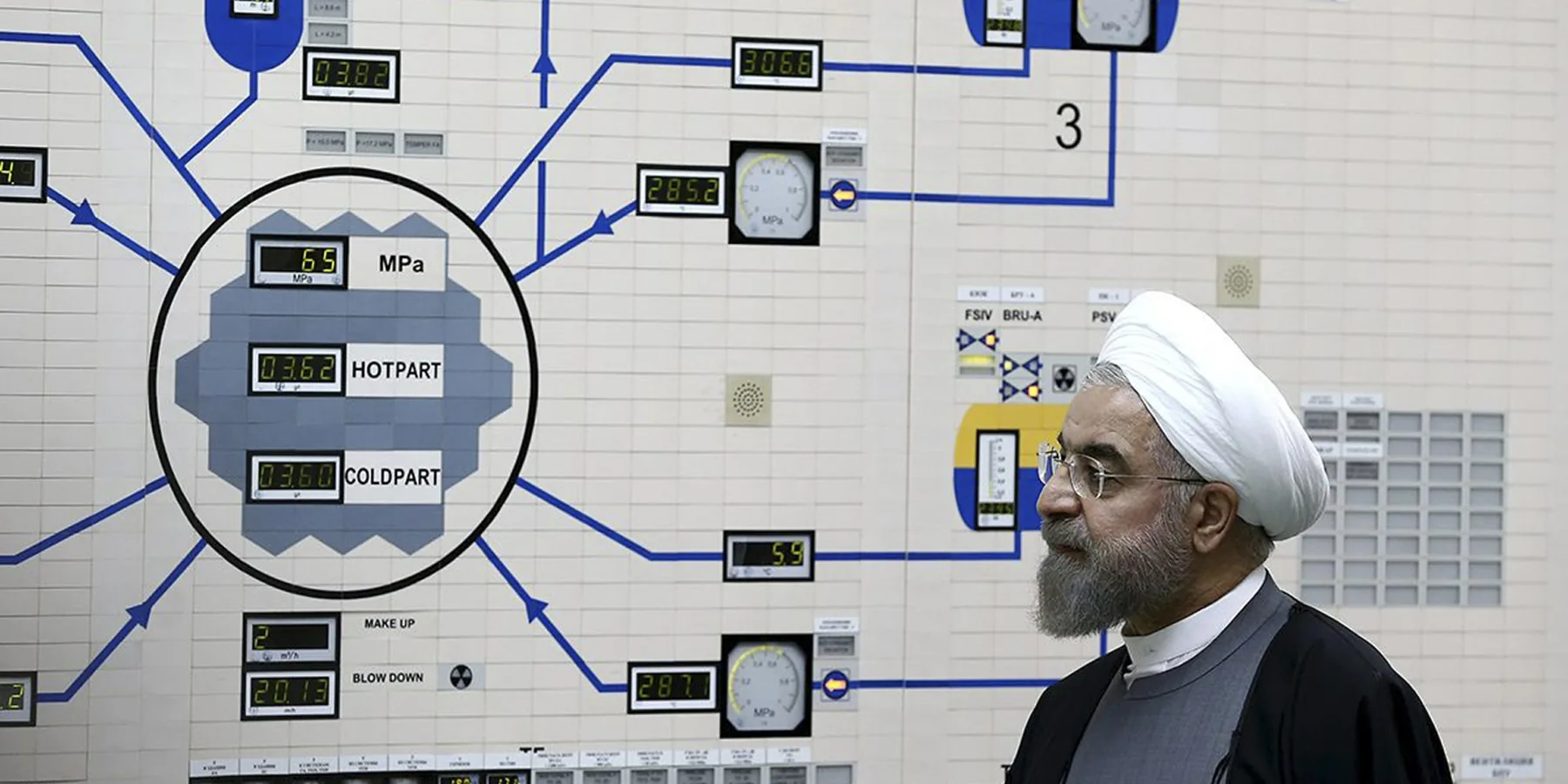
The assassination of Fakhrizadeh has led to significant regional security implications, primarily due to the tensions between Iran and Israel. The Iranian government has vehemently accused Israel of carrying out the assassination, and the country's supreme leader, Ayatollah Ali Khamenei, has vowed to retaliate against those responsible.
Iran's reaction to the assassination has been twofold: domestic and international. Domestically, the Iranian government has declared three days of national mourning, and President Rouhani has stated that Iran will respond to the assassination at the "right time." The Iranian parliament has also passed a bill that would increase funding for the country's nuclear program and reduce access for international inspectors, highlighting Iran's intent to accelerate its nuclear program in response to the assassination.
On the international front, Iran has also made efforts to rally support from the international community against Israel and the United States, accusing them of being behind the assassination. Iran's Foreign Minister Javad Zarif has called on the international community to condemn the assassination, and Iran has raised the issue at the United Nations. However, Iran's actions have also been met with criticism from some countries, such as Saudi Arabia and the United Arab Emirates, who have expressed concerns about Iran's nuclear program and regional destabilization.
The tensions between Iran and Israel have a long history and are deeply rooted in geopolitical and ideological differences. Iran has long been a vocal critic of Israel's policies towards Palestine, while Israel sees Iran's nuclear program as a threat to its national security. The Mossad intelligence agency, known for its covert operations, has been linked to several assassinations of Iranian nuclear scientists in the past, including the 2010 assassination of Mohsen Fakhrizadeh's predecessor, Masoud Alimohammadi. In 2018, Israeli Prime Minister Benjamin Netanyahu publicly accused Fakhrizadeh of leading Iran's nuclear weapons program, a claim that Fakhrizadeh denied.
The potential for retaliation by Iran against Israel or its interests in the region is a significant concern, given Iran's history of sponsoring and carrying out attacks against Israel. Iran's Revolutionary Guard and its proxies in the region, such as Hezbollah in Lebanon and Hamas in Gaza, have been responsible for numerous attacks against Israeli targets in the past, including missile strikes and bombings. In recent years, tensions between Iran and Israel have escalated, with both countries engaging in covert and overt actions against each other, including cyber attacks and military strikes.
The international response to the assassination has been mixed, with some countries condemning the act and calling for restraint, while others have remained silent or expressed support for Israel. The United States, which has been a vocal critic of Iran's nuclear program, condemned the assassination and called for all parties to avoid escalation. The European Union also called for restraint and urged Iran to resume its compliance with the 2015 nuclear deal, which was abandoned by the Trump administration in 2018. Meanwhile, some countries, including Saudi Arabia and the United Arab Emirates, have expressed support for Israel, citing its right to defend itself against Iran's alleged nuclear ambitions.
Possible Scenarios for Iran's Nuclear Program in the Future:
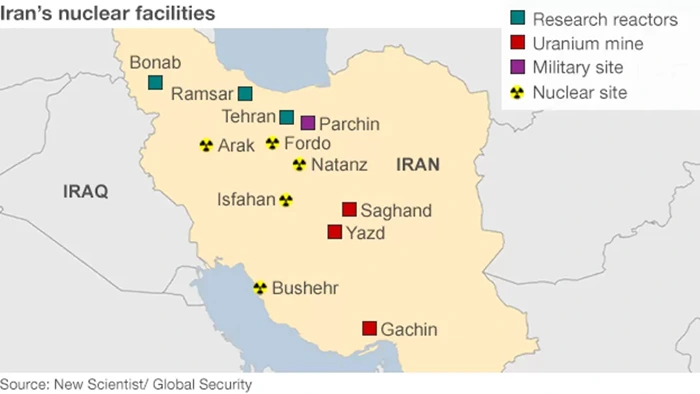
The assassination of Fakhrizadeh has raised questions about the future of Iran's nuclear program and the potential for escalation in the region. There are several possible scenarios for the program's future:
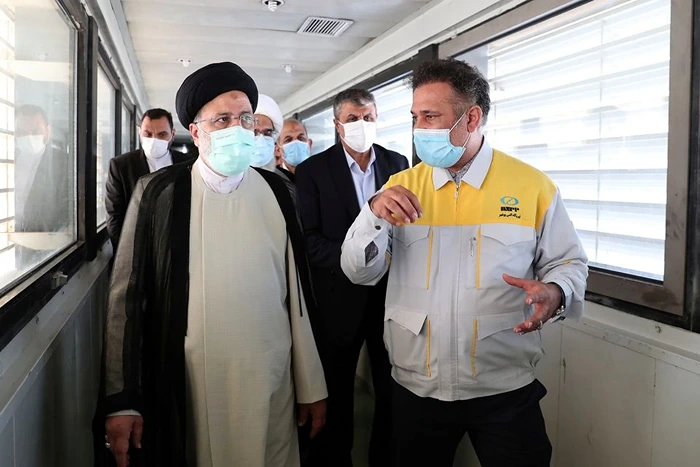
Source: Reuters
Iran could continue its nuclear program and possibly accelerate it in response to the assassination. This scenario could lead to further tensions with Israel and the international community.
Iran could suspend its nuclear program in response to the assassination and the increased pressure from the international community. However, this scenario seems unlikely given Iran's history of defiance and its strategic interests.
Iran could agree to return to the negotiating table with the international community and potentially agree to limit its nuclear program in exchange for sanctions relief. This scenario was made more difficult after the US withdrew from the 2015 nuclear deal and imposed sanctions on Iran, but it remains a possibility.
Iran could decide to develop a nuclear weapon in response to the assassination and the increased pressure from the international community. This scenario would be highly destabilizing and would likely trigger a military response from Israel and potentially the United States.
It is worth noting that the impact of the assassination on Iran's nuclear program remains unclear. Fakhrizadeh was undoubtedly an important figure in the program, but it is unclear how much his death will affect Iran's progress towards a nuclear weapon. Iran has stated that it will continue its nuclear program, but it remains to be seen how this will play out in practice.
In any case, the future of Iran's nuclear program will be shaped by a range of factors, including domestic politics, regional security dynamics, and international pressure. The assassination of Fakhrizadeh has added a new dimension to these factors and increased the uncertainty surrounding the program's future. As such, policymakers and analysts will need to closely monitor developments in Iran's nuclear program and the broader regional context in the coming months and years.
Conclusion
The assassination of Mohsen Fakhrizadeh has significant implications for regional security and international relations. Fakhrizadeh's unique expertise and contributions to Iran's nuclear program have undoubtedly set back Iran's nuclear program, but the program is still expected to continue with varying degrees of success. The assassination has further fueled tensions between Iran and Israel, increasing the potential for escalation and retaliation.
The international response to the assassination has been mixed, highlighting the complexities of regional politics and the differing interests of global powers. While some countries have condemned the assassination and called for de-escalation, others have remained silent or expressed support for Israel. This highlights the need for international cooperation and a coordinated effort to address regional security issues.
In light of these developments, policymakers must consider the potential risks and opportunities presented by Iran's nuclear program. It is essential to continue working towards a diplomatic solution to Iran's nuclear program, while also maintaining a strong security posture to prevent further regional destabilization. The international community must also address the underlying geopolitical tensions and address the root causes of conflict in the region.
Therefore, it is recommended that policymakers prioritize diplomatic efforts to address regional security issues and work towards a peaceful resolution of Iran's nuclear program. This can be achieved through multilateral negotiations and cooperation, including the potential revitalization of the 2015 nuclear deal. At the same time, policymakers must remain vigilant and prepared to address any potential threats to regional stability and global security. By charting a path forward that balances diplomacy, deterrence, and regional cooperation, policymakers can mitigate risks and build a safer and more stable future for the region and the world.
References
- Abdo, G. (2020, December 2). The killing of Mohsen Fakhrizadeh and Iran's nuclear programme. Al Jazeera. https://www.aljazeera.com/news/2020/12/2/the-killing-of-mohsen-fakhrizadeh-and-irans-nuclear-programme
- Aljazeera. (2021, January 12). Iran begins 20% uranium enrichment, seizes South Korean tanker. Al Jazeera. https://www.aljazeera.com/news/2021/1/4/iran-begins-20-uranium-enrichment-seizes-south-korean-tanker
- BBC News. (2010, December 2). Stuxnet worm 'targeted high-value Iranian assets.' BBC News. https://www.bbc.com/news/world-middle-east-11927720
- BBC News. (2020, December 28). Iran starts work on uranium metal-based fuel for research reactor. BBC News. https://www.bbc.com/news/world-middle-east-55520741
- Cohen, M. (2020, December 1). The assassination of Iran's top nuclear scientist raises serious security concerns. CNN. https://www.cnn.com/2020/12/01/opinions/iran-fakhrizadeh-assassination-security-concerns-cohen/index.html
- Ghosh, D. (2021, January 5). Iran nuclear deal: What are Biden's plans and challenges? Al Jazeera. https://www.aljazeera.com/news/2021/1/5/iran-nuclear-deal-what-are-bidens-plans-and-challenges
- Hassan, H. (2020, December 3). Mohsen Fakhrizadeh assassination: Who was Iran's top nuclear scientist? Al Jazeera. https://www.aljazeera.com/news/2020/12/3/mohsen-fakhrizadeh-assassination-who-was-irans-top-nuclear-scient
- International Atomic Energy Agency. (2021, February 1). Iran nuclear program. International Atomic Energy Agency. https://www.iaea.org/topics/iran-nuclear-program
- Karami, A. (2021, February 7). Iran enriching uranium to 20%, UN nuclear watchdog confirms. Al-Monitor. https://www.al-monitor.com/originals/2021/02/iran-enriching-uranium-20-un-nuclear-watchdog-confirms
- Reuters. (2021, January 18). Iran's Rouhani says "ball in US court" over nuclear dispute. Reuters. https://www.reuters.com/article/us-iran-nuclear-usa-idUSKBN29O0J1
- Reuters. (2021, November 4). Iran's Raisi vows no retreat from nuclear talks with major powers. Reuters. https://www.reuters.com/world/middle-east/irans-raisi-vows-no-retreat-nuclear-talks-with-major-powers-2021-11-04/
- Schmitt, E. (2020, November 27). Mohsen Fakhrizadeh, Iran's top nuclear scientist, assassinated near Tehran. The New York Times. https://www.nytimes.com/2020/11/27/world/middleeast/iran-nuclear-scientist-assassinated-mohsen-fakhrizadeh.html
- The Economist. (2021, January 9). What Joe Biden's Iran policy means for the nuclear deal. The Economist. https://www.economist.com/middle-east-and-africa/2021/01/09/what-joe-bidens-iran-policy-means-for-the-nuclear-deal
- WDRB. (2019, September 11). Iranian President Hassan Rouhani visits Bushehr nuclear power plant. WDRB. https://www.wdrb.com/iranian-president-hassan-rouhani-visits-bushehr-nuclear-power-plant/image_e9b1d124-d48b-11e9-aabc-df2363c33c83.html



