From Conflict to Commerce: How Global Warfare Shapes International Trade
Introduction
Wars affect the world in many different ways. Wars can have significant effects on trading in the world. First, wars can cause the disruption of supply chains, which can lead to difficulties in transporting goods, causing delays and increasing costs. Trade routes may be disrupted or blocked altogether, making it challenging to move goods between countries. Countries engaged in a war may impose trade restrictions or embargoes on each other. Wars can lead to changes in the availability of key resources.
Types of Wars
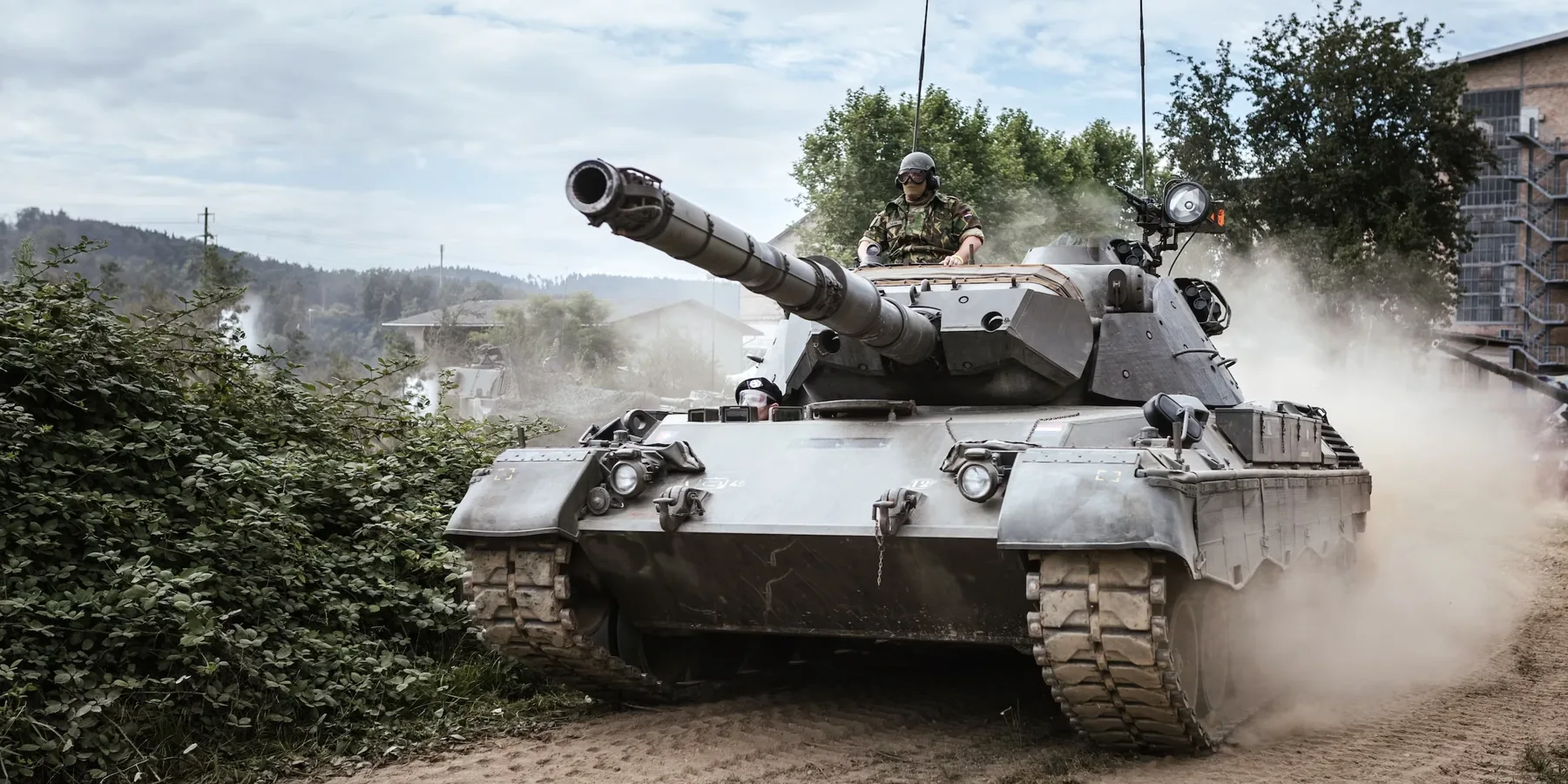
1. Conventional War: This refers to a traditional armed conflict between two or more nation-states involving the use of conventional military forces, such as infantry, tanks, aircraft, and naval vessels.
- Disruption of Transportation and Infrastructure: During a conventional war, transportation systems, such as roads, railways, ports, and airports, can be damaged or destroyed. This disruption can hinder the movement of goods and make trade difficult or impossible in the affected areas.
- Blockades and Embargoes: Belligerent parties may impose blockades or embargoes on trade routes, ports, or specific goods to weaken the enemy's economy or limit their access to vital resources. These measures restrict or completely halt trade between the warring parties and can have spillover effects on international trade as well.
2. Civil War: A civil war occurs within a single country when different factions or groups within the nation engage in armed conflict. The opposing sides may have differing political ideologies, ethnic or religious divisions, or territorial disputes.
- Decline in Production and Agricultural Output: Civil wars often disrupt agricultural activities and industrial production. Farming operations may be abandoned, leading to food shortages and reduced agricultural exports. Industries may face disruptions due to damage to infrastructure, lack of inputs, or the displacement of skilled labor, impacting manufacturing and exports.
- Loss of Investor Confidence: Civil wars create an environment of uncertainty and instability, which can erode investor confidence. Both domestic and foreign investors may hesitate to commit capital to the country due to the risks associated with the conflict, leading to a decline in foreign direct investment (FDI) and reduced trade-related investments.
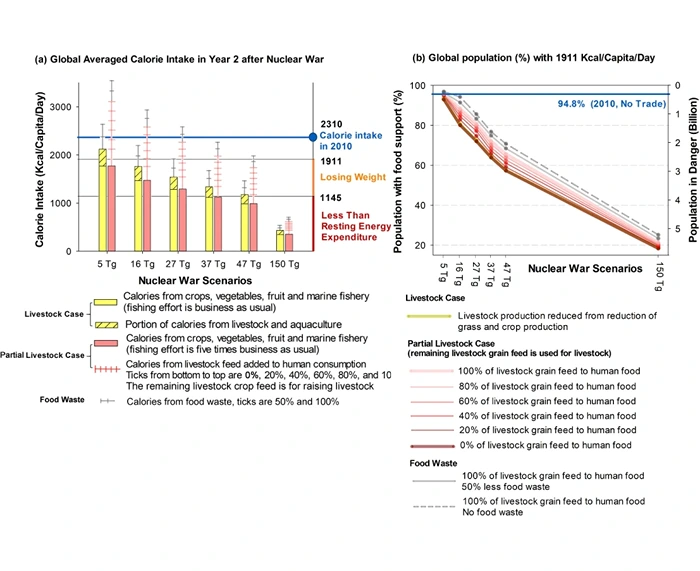
3. Nuclear War: A nuclear war is a conflict in which nuclear weapons are used. The devastating power of nuclear weapons can cause mass destruction, long-term environmental damage, and significant loss of life.
- Loss of Human Capital: A nuclear war would result in significant loss of life and injury, including skilled workers, professionals, and experts essential for economic activities and trade. The loss of human capital can lead to labor shortages, reduced productivity, and hindered trade-related services.
- Economic Collapse: The immense destruction caused by nuclear weapons would likely lead to a collapse of the affected country's economy and financial systems. The disruptions in trade, loss of infrastructure, and destabilized markets would result in a sharp decline in production, trade, and consumption, leading to a severe economic downturn.
How different Countries are affected by war
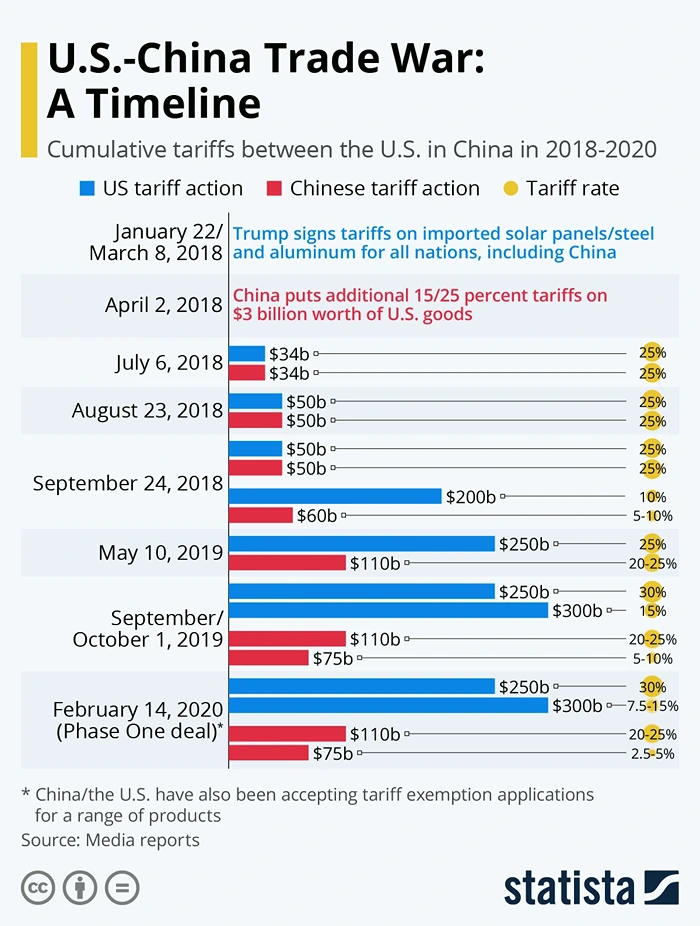
1. China - US exports to China, which cratered during President Donald Trump's trade war of 2018–19, are continuing to suffer. China is now shifting some purchases of foreign goods away from the United States.
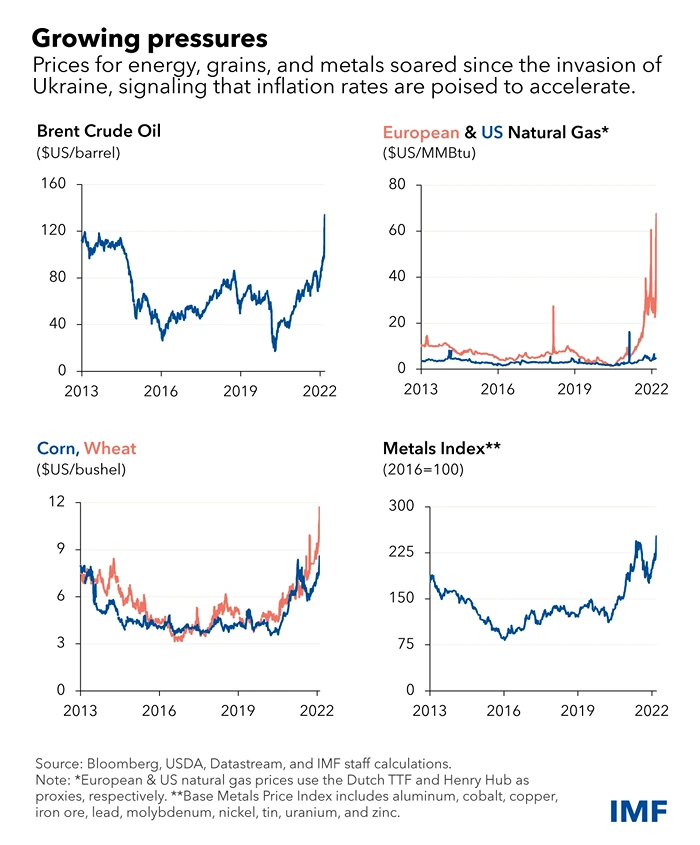
2. Germany - Germany stopped the certification of the gas pipeline Nord Stream 2; on 8 March, the United States prohibited the import of Russian oil, liquefied natural gas, and coal. On the same date, Russia banned the export of some raw materials and commodities.
3. USA - caused economic pain on both sides and led to diversion of trade flows away from both China and the United States. As described by Heather Long at the Washington Post, “U.S. economic growth slowed, business investment froze, and companies didn't hire as many people.
4. Japan - The nation's overall imports sank 14.8 percent year-on-year, a smaller decline than the median estimate for a 16 percent decrease. That pushed the trade balance to a surplus of 17.3 billion yen ($159m), from a deficit of 124.8 billion yen ($1.15bn) and against a 301 billion yen ($2.77bn) surplus expected by economists.
5. South Korea - For the first time since the Global Financial Crisis, South Korea is projected to run a trade deficit. While not the only factor, the sharply rising costs of energy from Russia's war can be seen in South Korea's projected trade deficit.
6. Netherlands - direct trade flows, disruptions in value chains and spillover effects.
7. United Kingdom - UK prices are already squeezed by labour shortages, a slow post-pandemic recovery and the effects of Brexit. The renewed focus on European security may help encourage the UK and EU to improve trade, security and political ties.
8. India - disruption in these trade rotations due to increased tariff rates and sanctions, leading to higher prices and diminished availability of these commodities in India.
9. Mexico - decline in productive investment of at least 0.3%, driven by a drop of 3.2% in commercial credit (non-consumption and non-mortgage) per capita granted to the private sector
10. France - severe human and economic damage during the war. The human losses included 1.3 million men killed, or 10.5 percent of the available Frenchmen, compared to 9.8 percent for Germany and 5.1 percent for Great Britain. In addition, 1.1 million veteran men were severely wounded and often incapacitated.
Economic Consequences of War
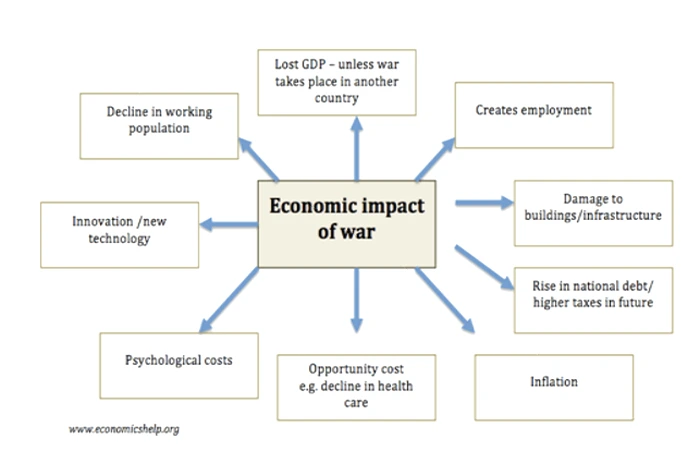
1. Destruction of physical infrastructure: War often leads to the destruction of roads, bridges, buildings, power plants, and other essential infrastructure. Rebuilding these structures requires significant resources and investment, diverting funds from other productive sectors of the economy.
2. Increased government spending: Governments must allocate a significant portion of their budgets to finance military operations during war. This increased military expenditure diverts resources away from social welfare programs, education, healthcare, and infrastructure development. It can also lead to higher levels of public debt, which can have long-term negative effects on the economy.
3. Reduced investment and capital flight: War creates uncertainty and instability, which discourages domestic and foreign investment. Investors are hesitant to commit capital to countries experiencing conflict due to the increased risks involved. Moreover, in times of war, wealthy individuals and businesses may transfer their assets abroad to protect them, leading to capital flight.
4. Long-term economic implications: The economic consequences of war can extend well beyond the conflict itself. Countries may experience a decline in their overall productive capacity, reduced innovation and technological advancement, and a weakened business environment. These factors can hinder long-term economic growth and development.
Humanitarian Consequences of War
1. Loss of Life: War leads to the loss of countless lives, including combatants and civilians. The direct consequences include deaths from combat, bombings, and other violent acts, as well as indirect consequences like famine, disease outbreaks, and lack of medical care.
2. Displacement and Refugees: War forces millions of people to flee their homes, leading to internal displacement or becoming refugees in other countries. These individuals often face severe hardships, including limited access to basic necessities like food, water, shelter, and healthcare.
3. Destruction of Infrastructure: Infrastructure such as hospitals, schools, roads, and water supply systems are frequently damaged or destroyed during war. This not only disrupts essential services but also hampers the ability of affected communities to recover and rebuild after the conflict ends.
War effects from WWII
Formation of economic blocs: The war led to the formation of economic blocs, such as the Axis Powers (Germany, Italy, and Japan) and the Allies (United States, United Kingdom, Soviet Union, etc.). These blocs established trade relationships within their respective spheres of influence, while trade between the opposing blocs was severely restricted or halted altogether.
Destruction of infrastructure: The war resulted in the destruction of infrastructure, including ports, railways, roads, and manufacturing facilities. This physical damage disrupted trade routes and made it difficult to transport goods, further impacting international trade.
Post-war reconstruction and trade agreements: After the war, efforts were made to rebuild and revive global trade. Institutions like the General Agreement on Tariffs and Trade (GATT) were established, aiming to reduce trade barriers and promote international economic cooperation. These efforts set the stage for the eventual formation of the World Trade Organization (WTO) and the expansion of global trade in the post-war era.
War Effects on Tourism
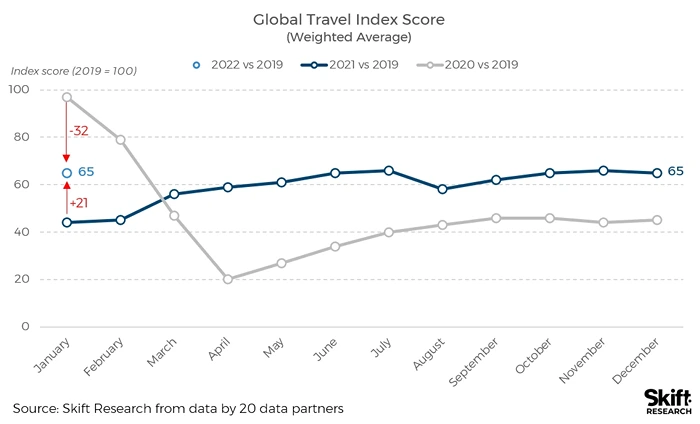
1. Travel advisories and restrictions: During times of war, governments often issue travel advisories warning their citizens about the risks of traveling to conflict-affected areas. These advisories can discourage tourists from visiting such destinations, leading to a decline in tourist arrivals.
2. Perception of safety and security: War creates an atmosphere of fear and uncertainty, making potential tourists hesitant to visit regions experiencing conflict. The perception of safety and security is crucial for the tourism industry, and conflicts can significantly damage the reputation of a destination, even if certain areas within a country are unaffected by the war.
3. Infrastructure damage: Wars can cause significant damage to a country's infrastructure, including airports, roads, hotels, and tourist attractions. Destruction of infrastructure not only limits accessibility to and within a country but also reduces the quality and availability of tourism-related services.
Policies for war on Trade
Diplomacy and Conflict Resolution
- Prioritize diplomatic efforts to prevent conflicts and resolve ongoing disputes peacefully.
- Engage in international negotiations to establish ceasefires or peace treaties, allowing for the resumption of trade activities.
Trade Agreements and Treaties
- Establish bilateral or multilateral trade agreements that provide preferential trade terms and protections, even during times of conflict.
- Develop contingency clauses within trade agreements to address disruptions caused by conflict.
Humanitarian and Economic Aid
- Provide humanitarian aid to affected regions to address immediate needs and support vulnerable populations.
- Offer economic assistance to nations impacted by conflict to help stabilize their economies and maintain trade capabilities.
Infrastructure Investment
- Invest in resilient infrastructure, including transportation networks, ports, and communication systems, to withstand disruptions caused by conflict.
- Build alternative trade routes or transportation modes to bypass conflict zones.
Supply Chain Diversification
- Encourage businesses to diversify their supply chains to reduce dependence on conflict-affected regions.
- Promote the development of local industries to enhance self-sufficiency and reduce reliance on imports from conflict-prone areas.
Government Implication on Trade in wars
1. Trade Policies and Regulations: Governments formulate trade policies and regulations that determine the terms of engagement in international trade. These policies include tariffs, quotas, subsidies, and regulations on imports and exports. They can shape the competitiveness of domestic industries and influence the flow of goods and services across borders.
2. Trade Agreements: Governments negotiate and enter into trade agreements with other nations. These agreements establish rules and frameworks for trade, including reducing barriers, promoting investment, and protecting intellectual property. Trade agreements can expand market access and create economic opportunities for businesses.
3. Economic Sanctions: Governments may impose economic sanctions on other countries as a form of punitive action or to achieve specific policy objectives. These sanctions restrict trade and financial transactions, aiming to influence the behavior of targeted nations. Sanctions can have significant economic and geopolitical consequences.
Trade Independencies
1. Tariffs: Tariffs are taxes or duties imposed on imported goods. They can be used to protect domestic industries, generate revenue, or address trade imbalances. Countries may negotiate tariff reductions or eliminate them altogether through trade agreements
2. Trade Agreements: Trade agreements are formal arrangements between countries to facilitate trade and reduce barriers. They establish terms and rules for trade, including tariff reductions, quotas, and regulatory harmonization.
3. World Trade Organization (WTO): The WTO is an international organization that regulates and promotes global trade. It provides a forum for negotiations, settles trade disputes, and sets rules for trade among its member countries.
Conclusion
In conclusion, wars have a significant and long term effect on the trade industry. They disrupt trade routes, damage infrastructure, and create barriers to the movement of goods and services between nations. Trade patterns can shift as countries' comparative advantages change due to the conflict. Supply chain disruptions can occur, affecting the production and availability of goods. Additionally, wars can lead to economic instability, reduced consumer demand, and decreased investor confidence, all of which can further dampen international trade. Wars can have long-term effects that persist even after peace is restored. Rebuilding and restoring trade relationships and infrastructure can take years, and some changes in trade patterns and alliances may endure beyond the conflict's end. By fostering cooperation and stability, nations can work to reduce the adverse impact of wars on global trade and promote economic growth and prosperity.
References
- https://www.frbsf.org/economic-research/wp-content/uploads/sites/4/wp05-11bk.pdf
- https://openknowledge.worldbank.org/entities/publication/8a37c7fb-5fd8-56aa-bb7e-2a0970c468d9
- https://www.imf.org/en/Blogs/Articles/2022/03/15/blog-how-war-in-ukraine-is-reverberating-across-worlds-regions-031522
- https://www.belfercenter.org/publication/wartime-commercial-policy-and-trade-between-enemies#:~:text=During%20war%2C%20states%20seek%20to,essential%20to%20the%20domestic%20economy.
- https://www.thecollector.com/economic-effects-world-war-ii-free-trade-revolution/#:~:text=After%20World%20War%20II%2C%20international,helped%20expand%20free%20trade%20further.
- https://www.unwto.org/impact-russian-offensive-in-ukraine-on-tourism#:~:text=A%20prolonged%20conflict%20could%20translate,US%24%204.7%20billion%2C%20respectively.
- https://www.britannica.com/topic/war



